Search options

Orientation
Colour

Display options

View

Print

To print search results, use print friendly version of this page.

6647 Search Results for shopping

The Louvre Museum, Paris, France (photo)

TEC4703071: The Louvre Museum, Paris, France (photo), Pei, Ieoh Ming (1917-2019) & Macary, Michel (b.1936) & Wilmotte, Jean-Michel (b.1948) / Bridgeman Images

Citadel, houses and shops construction 2006, architect Christian de Portzamparc, in Almere, Netherlands. At the gates of Amsterdam, Almere is a new city built on a polder. Just thirty years after the first pioneers were installed, Almere became the eighth city of the country with nearly 180,000 inhabitants. A veritable laboratory of reflection on urban planning, the heart of the city has just been rethought and redesigned by Rem Koolhaas, who has designed its plans.ACombining harmoniously housing, public infrastructure, commercial and leisure facilities, the project brings together the great names of contemporary architecture. Photography 10/01/07.

LBY4609529: Citadel, houses and shops construction 2006, architect Christian de Portzamparc, in Almere, Netherlands. At the gates of Amsterdam, Almere is a new city built on a polder. Just thirty years after the first pioneers were installed, Almere became the eighth city of the country with nearly 180,000 inhabitants. A veritable laboratory of reflection on urban planning, the heart of the city has just been rethought and redesigned by Rem Koolhaas, who has designed its plans.ACombining harmoniously housing, public infrastructure, commercial and leisure facilities, the project brings together the great names of contemporary architecture. Photography 10/01/07., Portzamparc, de Christian (b.1944) / Bridgeman Images

Eager shoppers rumage around one of the clothing stall in London's Portobello Road Market. November 1968

MPX5152691: Eager shoppers rumage around one of the clothing stall in London's Portobello Road Market. November 1968 / Bridgeman Images

Saturday shoppers on the corner of Virginia Street and Argyle Street, 1955 (b/w photo)

GLS314194: Saturday shoppers on the corner of Virginia Street and Argyle Street, 1955 (b/w photo) / Bridgeman Images
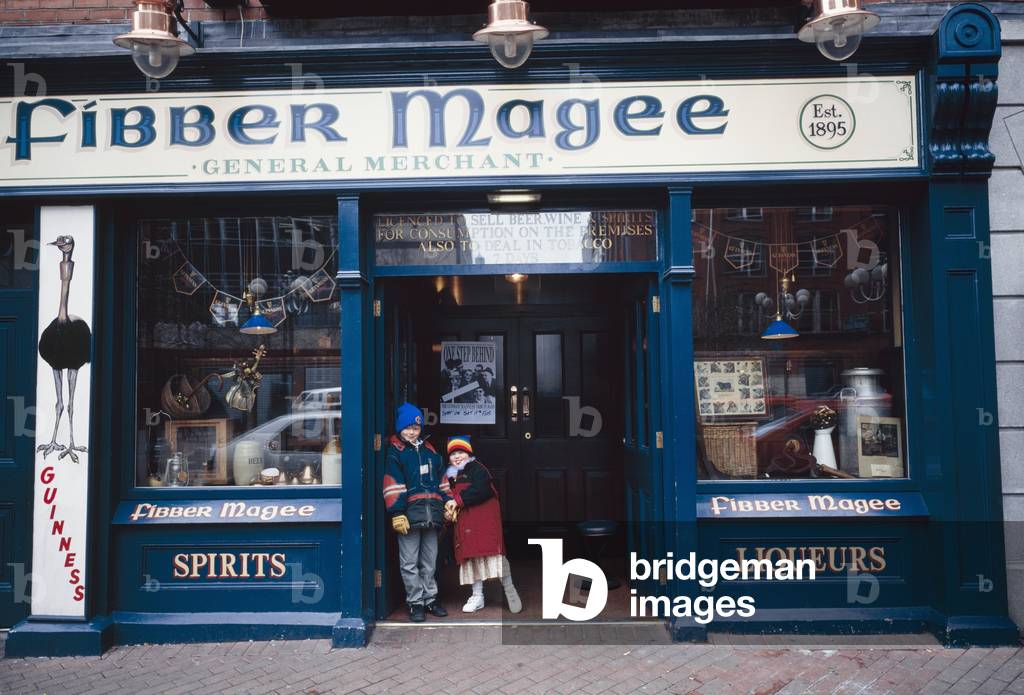
Belfast,Co Antrim,Northern Ireland;Shopfront With Children Standing In Doorway (photo)

DPS3254257: Belfast,Co Antrim,Northern Ireland;Shopfront With Children Standing In Doorway (photo) / Bridgeman Images

The Drugstore Publicis, 133 avenue des Champs Elysees, Paris 8, France. Architecture Michael Saee, 2004. Photography 05/06/2004.

LBY4554972: The Drugstore Publicis, 133 avenue des Champs Elysees, Paris 8, France. Architecture Michael Saee, 2004. Photography 05/06/2004., Saee, Michele (b.1956) / Bridgeman Images

Galerie Vivienne in Paris 2nd arrondissement. Construction 1823-1826, architect Jacques Delannoy.

TEC4571383: Galerie Vivienne in Paris 2nd arrondissement. Construction 1823-1826, architect Jacques Delannoy. / Bridgeman Images

The Drugstore Publicis, 133 avenue des Champs Elysees, Paris 8, France. Architecture Michael Saee, 2004. Photography 05/06/2004.

LBY4554997: The Drugstore Publicis, 133 avenue des Champs Elysees, Paris 8, France. Architecture Michael Saee, 2004. Photography 05/06/2004., Saee, Michele (b.1956) / Bridgeman Images

Galerie Vivienne in Paris 2nd arrondissement. Construction 1823-1826, architect Jacques Delannoy.

TEC4571397: Galerie Vivienne in Paris 2nd arrondissement. Construction 1823-1826, architect Jacques Delannoy. / Bridgeman Images

Galerie Vivienne in Paris 2nd arrondissement. Construction 1823-1826, architect Jacques Delannoy.

TEC4571682: Galerie Vivienne in Paris 2nd arrondissement. Construction 1823-1826, architect Jacques Delannoy. / Bridgeman Images

Galerie Vivienne in Paris 2nd arrondissement. Construction 1823-1826, architect Jacques Delannoy.

TEC4571267: Galerie Vivienne in Paris 2nd arrondissement. Construction 1823-1826, architect Jacques Delannoy. / Bridgeman Images

The Drugstore Publicis, 133 avenue des Champs Elysees, Paris 8, France. Architecture Michael Saee, 2004. Photography 05/06/2004.

LBY4555059: The Drugstore Publicis, 133 avenue des Champs Elysees, Paris 8, France. Architecture Michael Saee, 2004. Photography 05/06/2004., Saee, Michele (b.1956) / Bridgeman Images

The Drugstore Publicis, 133 avenue des Champs Elysees, Paris 8, France. Architecture Michael Saee, 2004. Photography 05/06/2004.

LBY4554968: The Drugstore Publicis, 133 avenue des Champs Elysees, Paris 8, France. Architecture Michael Saee, 2004. Photography 05/06/2004., Saee, Michele (b.1956) / Bridgeman Images

Galerie Vivienne in Paris 2nd arrondissement. Construction 1823-1826, architect Jacques Delannoy.

TEC4571679: Galerie Vivienne in Paris 2nd arrondissement. Construction 1823-1826, architect Jacques Delannoy. / Bridgeman Images

Waiting for the shoppers special at the now disused Lambley Railway Station are (left to right), Mr. Hugh Hedley, Coun. Mrs. Nancy todd, and Mrs. Hilda Thompson on 16th August 1972 (b/w photo)

MPX5128996: Waiting for the shoppers special at the now disused Lambley Railway Station are (left to right), Mr. Hugh Hedley, Coun. Mrs. Nancy todd, and Mrs. Hilda Thompson on 16th August 1972 (b/w photo) / Bridgeman Images

Thailand: Street musician entertaining late evening shoppers on Chai Kong Road, Chiang Khan, Loei Province

PFH1176348: Thailand: Street musician entertaining late evening shoppers on Chai Kong Road, Chiang Khan, Loei Province / Bridgeman Images

Street in Cottbus, 1959 (b/w photo)

SZT6292298: Street in Cottbus, 1959 (b/w photo) / Bridgeman Images

Queen Elizabeth II visits St John's Market, Liverpool, in 1971, and gets a warm welcome from locals and shoppers.

MPX5140360: Queen Elizabeth II visits St John's Market, Liverpool, in 1971, and gets a warm welcome from locals and shoppers. / Bridgeman Images

Illustration for  'Methode Boscher', France, 1946 (print)

AUL4127620: Illustration for 'Methode Boscher', France, 1946 (print), Duche, J. (active c.1940s) / Bridgeman Images

Glamour: Unusual: Helen Jones lies in tray of cement (Carol): Helen standing up in a tray of cement, watched by men shoppers. July 1970

MPX5085994: Glamour: Unusual: Helen Jones lies in tray of cement (Carol): Helen standing up in a tray of cement, watched by men shoppers. July 1970 / Bridgeman Images

Shoppers pass a shrine to Buddah in one of the main roads leading off Durbar Square in Katmandu, Nepal, February 1961 (b/w photo)

MPX5124026: Shoppers pass a shrine to Buddah in one of the main roads leading off Durbar Square in Katmandu, Nepal, February 1961 (b/w photo) / Bridgeman Images

Shoppers pass a shrine to Buddah in one of the main roads leading off Durbar Square in Katmandu, Nepal, February 1961 (b/w photo)

MPX5124032: Shoppers pass a shrine to Buddah in one of the main roads leading off Durbar Square in Katmandu, Nepal, February 1961 (b/w photo) / Bridgeman Images

Shoppers pass a shrine to Buddah in one of the main roads leading off Durbar Square in Katmandu, Nepal, February 1961 (b/w photo)

MPX5124053: Shoppers pass a shrine to Buddah in one of the main roads leading off Durbar Square in Katmandu, Nepal, February 1961 (b/w photo) / Bridgeman Images

Silk shops in Mitsoui, Yedo (or Edo, present-day Tokyo), lively, and in the background, the silhouette of Mount Fuji. Engraving to illustrate the voyage to Japan, in 1863-1864, by Aime Humbert, minister of the Swiss Confederation, in “Le tour du monde, nouveau journal des voyages”” published under the direction of Edouard Charton, Hachette, Paris, 1867. Selva Collection.

LSE4326394: Silk shops in Mitsoui, Yedo (or Edo, present-day Tokyo), lively, and in the background, the silhouette of Mount Fuji. Engraving to illustrate the voyage to Japan, in 1863-1864, by Aime Humbert, minister of the Swiss Confederation, in “Le tour du monde, nouveau journal des voyages”” published under the direction of Edouard Charton, Hachette, Paris, 1867. Selva Collection., Unknown Artist, (19th century) / Bridgeman Images

Shopfront with an overhanging balcony, Pompeii. Woman pouring water into a basin in an open restaurant. Walls decorated with mural of a serpent. Chromolithograph by D. Capri after an illustration by G. Discanno from Antonio Niccoliniõs Pompeii: Views and Restorations (Pompeii: Essaies et Restorations), published by Zucchi & De Luca, Naples, 1898. Antonio was grandson of the architect Antonio Niccolini Sr.

FLO4688264: Shopfront with an overhanging balcony, Pompeii. Woman pouring water into a basin in an open restaurant. Walls decorated with mural of a serpent. Chromolithograph by D. Capri after an illustration by G. Discanno from Antonio Niccoliniõs Pompeii: Views and Restorations (Pompeii: Essaies et Restorations), published by Zucchi & De Luca, Naples, 1898. Antonio was grandson of the architect Antonio Niccolini Sr. / Bridgeman Images

Shopfront to Martin's caterers, 50 rue St. Jacques de la Boucherie, Paris, circa 1800.Handcoloured lithograph from Hector-Martin Lefuel's “” Boutiques Parisiennes du Premier Empire,”” (Parisian Stores of the First Empire), Paris, Albert Morance, 1925. The lithographs were reproduced from watercolors by the French architect Hector-Martin Lefuel (1810-1880), famous for his work on the completion of the Louvre and Fontainebleau.

FLO4589865: Shopfront to Martin's caterers, 50 rue St. Jacques de la Boucherie, Paris, circa 1800.Handcoloured lithograph from Hector-Martin Lefuel's “” Boutiques Parisiennes du Premier Empire,”” (Parisian Stores of the First Empire), Paris, Albert Morance, 1925. The lithographs were reproduced from watercolors by the French architect Hector-Martin Lefuel (1810-1880), famous for his work on the completion of the Louvre and Fontainebleau. / Bridgeman Images

Shopfront of Monsieur Gaultier's goldsmith, 58 rue de Bacq, Paris, circa 1800. Handcoloured lithograph from Hector-Martin Lefuel's “” Boutiques Parisiennes du Premier Empire,”” (Parisian Stores of the First Empire), Paris: Albert Morance, 1925. The lithographs were reproduced from watercolors by the French architect Hector-Martin Lefuel (1810-1880), famous for his work on the completion of the Louvre and Fontainebleau.

FLO4589886: Shopfront of Monsieur Gaultier's goldsmith, 58 rue de Bacq, Paris, circa 1800. Handcoloured lithograph from Hector-Martin Lefuel's “” Boutiques Parisiennes du Premier Empire,”” (Parisian Stores of the First Empire), Paris: Albert Morance, 1925. The lithographs were reproduced from watercolors by the French architect Hector-Martin Lefuel (1810-1880), famous for his work on the completion of the Louvre and Fontainebleau. / Bridgeman Images

Shopfront to Teissier's Perfumery, 51 rue de la Loi, Paris, circa 1800. Handcoloured lithograph from Hector-Martin Lefuel's “” Boutiques Parisiennes du Premier Empire,”” (Parisian Stores of the First Empire), Paris: Albert Morance, 1925. The lithographs were reproduced from watercolors by the French architect Hector-Martin Lefuel (1810-1880), famous for his work on the completion of the Louvre and Fontainebleau.

FLO4590021: Shopfront to Teissier's Perfumery, 51 rue de la Loi, Paris, circa 1800. Handcoloured lithograph from Hector-Martin Lefuel's “” Boutiques Parisiennes du Premier Empire,”” (Parisian Stores of the First Empire), Paris: Albert Morance, 1925. The lithographs were reproduced from watercolors by the French architect Hector-Martin Lefuel (1810-1880), famous for his work on the completion of the Louvre and Fontainebleau. / Bridgeman Images

Shopfront to Nitot's jewelry shop, 36 Place du Carouzel, Paris, circa 1880. Handcoloured lithograph from Hector-Martin Lefuel's “” Boutiques Parisiennes du Premier Empire,”” (Parisian Stores of the First Empire), Paris: Albert Morance, 1925. The lithographs were reproduced from watercolors by the French architect Hector-Martin Lefuel (1810-1880), famous for his work on the completion of the Louvre and Fontainebleau.

FLO4590072: Shopfront to Nitot's jewelry shop, 36 Place du Carouzel, Paris, circa 1880. Handcoloured lithograph from Hector-Martin Lefuel's “” Boutiques Parisiennes du Premier Empire,”” (Parisian Stores of the First Empire), Paris: Albert Morance, 1925. The lithographs were reproduced from watercolors by the French architect Hector-Martin Lefuel (1810-1880), famous for his work on the completion of the Louvre and Fontainebleau. / Bridgeman Images

Shopfront of Monsieur Langlois's pharmacy, 82 rue du Temple, Paris, circa 1800. Handcoloured lithograph from Hector-Martin Lefuel's “” Boutiques Parisiennes du Premier Empire,”” (Parisian Stores of the First Empire), Paris: Albert Morance, 1925. The lithographs were reproduced from watercolors by the French architect Hector-Martin Lefuel (1810-1880), famous for his work on the completion of the Louvre and Fontainebleau.

FLO4589975: Shopfront of Monsieur Langlois's pharmacy, 82 rue du Temple, Paris, circa 1800. Handcoloured lithograph from Hector-Martin Lefuel's “” Boutiques Parisiennes du Premier Empire,”” (Parisian Stores of the First Empire), Paris: Albert Morance, 1925. The lithographs were reproduced from watercolors by the French architect Hector-Martin Lefuel (1810-1880), famous for his work on the completion of the Louvre and Fontainebleau. / Bridgeman Images

Shopfront of the Cafe de Flore, Champs Elysees, Paris, circa 1800. Handcoloured lithograph from Hector-Martin Lefuel's “” Boutiques Parisiennes du Premier Empire,”” (Parisian Stores of the First Empire), Paris: Albert Morance, 1925. The lithographs were reproduced from watercolors by the French architect Hector-Martin Lefuel (1810-1880), famous for his work on the completion of the Louvre and Fontainebleau.

FLO4590006: Shopfront of the Cafe de Flore, Champs Elysees, Paris, circa 1800. Handcoloured lithograph from Hector-Martin Lefuel's “” Boutiques Parisiennes du Premier Empire,”” (Parisian Stores of the First Empire), Paris: Albert Morance, 1925. The lithographs were reproduced from watercolors by the French architect Hector-Martin Lefuel (1810-1880), famous for his work on the completion of the Louvre and Fontainebleau. / Bridgeman Images

Shopfront of the Rocher de Cancal restaurant, 61 rue Montorgueil, Paris, circa 1800. Handcoloured lithograph from Hector-Martin Lefuel's “” Boutiques Parisiennes du Premier Empire,”” (Parisian Stores of the First Empire), Paris: Albert Morance, 1925. The lithographs were reproduced from watercolors by the French architect Hector-Martin Lefuel (1810-1880), famous for his work on the completion of the Louvre and Fontainebleau.

FLO4590045: Shopfront of the Rocher de Cancal restaurant, 61 rue Montorgueil, Paris, circa 1800. Handcoloured lithograph from Hector-Martin Lefuel's “” Boutiques Parisiennes du Premier Empire,”” (Parisian Stores of the First Empire), Paris: Albert Morance, 1925. The lithographs were reproduced from watercolors by the French architect Hector-Martin Lefuel (1810-1880), famous for his work on the completion of the Louvre and Fontainebleau. / Bridgeman Images

Shopfront of Monsieur Shuler's butchers, 45 rue Turenne, Paris, circa 1800. Handcoloured lithograph from Hector-Martin Lefuel's “” Boutiques Parisiennes du Premier Empire,”” (Parisian Stores of the First Empire), Paris: Albert Morance, 1925. The lithographs were reproduced from watercolors by the French architect Hector-Martin Lefuel (1810-1880), famous for his work on the completion of the Louvre and Fontainebleau.

FLO4589947: Shopfront of Monsieur Shuler's butchers, 45 rue Turenne, Paris, circa 1800. Handcoloured lithograph from Hector-Martin Lefuel's “” Boutiques Parisiennes du Premier Empire,”” (Parisian Stores of the First Empire), Paris: Albert Morance, 1925. The lithographs were reproduced from watercolors by the French architect Hector-Martin Lefuel (1810-1880), famous for his work on the completion of the Louvre and Fontainebleau. / Bridgeman Images

Shopfront to Lescot's pharmacy on the rue de Grammont, Paris, early 1800s. Handcoloured lithograph from Hector-Martin Lefuel's “” Boutiques Parisiennes du Premier Empire,”” (Parisian Stores of the First Empire), Paris: Albert Morance, 1925. The lithographs were reproduced from watercolors by the French architect Hector-Martin Lefuel (1810-1880), famous for his work on the completion of the Louvre and Fontainebleau.

FLO4589858: Shopfront to Lescot's pharmacy on the rue de Grammont, Paris, early 1800s. Handcoloured lithograph from Hector-Martin Lefuel's “” Boutiques Parisiennes du Premier Empire,”” (Parisian Stores of the First Empire), Paris: Albert Morance, 1925. The lithographs were reproduced from watercolors by the French architect Hector-Martin Lefuel (1810-1880), famous for his work on the completion of the Louvre and Fontainebleau. / Bridgeman Images

Shopfront of Cafe Tesse, 1 Quai Voltaire, Paris, circa 1800. Handcoloured lithograph from Hector-Martin Lefuel's “” Boutiques Parisiennes du Premier Empire,”” (Parisian Stores of the First Empire), Paris: Albert Morance, 1925. The lithographs were reproduced from watercolors by the French architect Hector-Martin Lefuel (1810-1880), famous for his work on the completion of the Louvre and Fontainebleau.

FLO4589916: Shopfront of Cafe Tesse, 1 Quai Voltaire, Paris, circa 1800. Handcoloured lithograph from Hector-Martin Lefuel's “” Boutiques Parisiennes du Premier Empire,”” (Parisian Stores of the First Empire), Paris: Albert Morance, 1925. The lithographs were reproduced from watercolors by the French architect Hector-Martin Lefuel (1810-1880), famous for his work on the completion of the Louvre and Fontainebleau. / Bridgeman Images

Shopfront of Monsieur Fargeon's perfumery to the Empress Josephine, Paris, circa 1800. Handcoloured lithograph from Hector-Martin Lefuel's “” Boutiques Parisiennes du Premier Empire,”” (Parisian Stores of the First Empire), Paris: Albert Morance, 1925. The lithographs were reproduced from watercolors by the French architect Hector-Martin Lefuel (1810-1880), famous for his work on the completion of the Louvre and Fontainebleau. Â

FLO4589945: Shopfront of Monsieur Fargeon's perfumery to the Empress Josephine, Paris, circa 1800. Handcoloured lithograph from Hector-Martin Lefuel's “” Boutiques Parisiennes du Premier Empire,”” (Parisian Stores of the First Empire), Paris: Albert Morance, 1925. The lithographs were reproduced from watercolors by the French architect Hector-Martin Lefuel (1810-1880), famous for his work on the completion of the Louvre and Fontainebleau. Â / Bridgeman Images


Back to top