Search options

Orientation
Colour

Display options

View

Print

To print search results, use print friendly version of this page.

2497525 Search Results

Musee Guggenheim in Bilbao, Spain. End of construction 1997, architect Frank Gehry. Photography 1997.

LBY4688344: Musee Guggenheim in Bilbao, Spain. End of construction 1997, architect Frank Gehry. Photography 1997., Gehry, Frank (1929-2025) / Bridgeman Images

Native man of Anaiteum island (Aneityum, Vanuatu). He wears his long hair tied with shells, and a cloak. Taken from Captain J.E. Erskine's “Journal of a Cruise,” 1853. Handcoloured lithograph by J. Bull from James Cowles Prichard's Natural History of Man, Balliere, London, 1855.

FLO4688492: Native man of Anaiteum island (Aneityum, Vanuatu). He wears his long hair tied with shells, and a cloak. Taken from Captain J.E. Erskine's “Journal of a Cruise,” 1853. Handcoloured lithograph by J. Bull from James Cowles Prichard's Natural History of Man, Balliere, London, 1855. / Bridgeman Images

Apple Blenheim pippin (domestic apple variety). Lithograph after the illustration of Augusta Withers (1793-1877), published in the “Pomology Magazine” (1828-1830) by John Lindley (1795-1865). Blenheim pippin apple, Malus domestica, raised in Woodstock. Illustration by Mrs. Withers. Handcoloured copperplate engraved by S. Watts from J. Lindley's “” Pomological Magazine,” London, 1828-1930.

FLO4687915: Apple Blenheim pippin (domestic apple variety). Lithograph after the illustration of Augusta Withers (1793-1877), published in the “Pomology Magazine” (1828-1830) by John Lindley (1795-1865). Blenheim pippin apple, Malus domestica, raised in Woodstock. Illustration by Mrs. Withers. Handcoloured copperplate engraved by S. Watts from J. Lindley's “” Pomological Magazine,” London, 1828-1930. / Bridgeman Images

Strawberries (strawberry ostara). Lithograph after the illustration of Augusta Withers (1793-1877), published in the “Pomology Magazine” (1828-1830) by John Lindley (1795-1865). Grove-End scarlet strawberry, Fragaria x anananassa, raised at Grove End, London, in 1820. Illustration by Mrs. Withers. Handcoloured copperplate engraved by S. Watts from J. Lindley's “” Pomological Magazine,” London, 1828-1930.

FLO4688040: Strawberries (strawberry ostara). Lithograph after the illustration of Augusta Withers (1793-1877), published in the “Pomology Magazine” (1828-1830) by John Lindley (1795-1865). Grove-End scarlet strawberry, Fragaria x anananassa, raised at Grove End, London, in 1820. Illustration by Mrs. Withers. Handcoloured copperplate engraved by S. Watts from J. Lindley's “” Pomological Magazine,” London, 1828-1930. / Bridgeman Images

View of the Street of Tombs outside the Herculaneum Gate, Pompeii. Chromolithograph and illustration by G. Autoriello from Antonio Niccoliniõs Pompeii: Views and Restorations (Pompeii: Essaies et Restorations), published by Zucchi & De Luca, Naples, 1898. Antonio was grandson of the architect Antonio Niccolini Sr.

FLO4688136: View of the Street of Tombs outside the Herculaneum Gate, Pompeii. Chromolithograph and illustration by G. Autoriello from Antonio Niccoliniõs Pompeii: Views and Restorations (Pompeii: Essaies et Restorations), published by Zucchi & De Luca, Naples, 1898. Antonio was grandson of the architect Antonio Niccolini Sr. / Bridgeman Images

House of Ariadne or the House of the Coloured Capitals, VII.4.31/51, Pompeii. Chromolithograph after an illustration by S. De Stefano from Antonio Niccoliniõs Pompeii: Views and Restorations (Pompeii: Essaies et Restorations), published by Fausto Niccolini, Naples, 1898. Antonio was grandson of the architect Antonio Niccolini Sr.

FLO4688167: House of Ariadne or the House of the Coloured Capitals, VII.4.31/51, Pompeii. Chromolithograph after an illustration by S. De Stefano from Antonio Niccoliniõs Pompeii: Views and Restorations (Pompeii: Essaies et Restorations), published by Fausto Niccolini, Naples, 1898. Antonio was grandson of the architect Antonio Niccolini Sr. / Bridgeman Images

Apodyterium or changing room for the Tepidarium or warm bath in the Forum Thermae, Pompeii. Serving with oil vase and towel standing next to a table. The walls have figures of Thelamon and niches for personal effects. Chromolithograph by D. Capri after an illustration by G. Discanno from Antonio Niccoliniõs Pompeii: Views and Restorations (Pompeii: Essaies et Restorations), published by Zucchi & De Luca, Naples, 1898. Antonio was grandson of the architect Antonio Niccolini Sr.

FLO4688287: Apodyterium or changing room for the Tepidarium or warm bath in the Forum Thermae, Pompeii. Serving with oil vase and towel standing next to a table. The walls have figures of Thelamon and niches for personal effects. Chromolithograph by D. Capri after an illustration by G. Discanno from Antonio Niccoliniõs Pompeii: Views and Restorations (Pompeii: Essaies et Restorations), published by Zucchi & De Luca, Naples, 1898. Antonio was grandson of the architect Antonio Niccolini Sr. / Bridgeman Images

A woman of the Tuda race of the Nilagiri hills in India, wearing sari, veil, necklace and earrings. Handcoloured lithograph from James Cowles Prichard's Natural History of Man, Balliere, London, 1855.

FLO4688357: A woman of the Tuda race of the Nilagiri hills in India, wearing sari, veil, necklace and earrings. Handcoloured lithograph from James Cowles Prichard's Natural History of Man, Balliere, London, 1855. / Bridgeman Images

Apple (domestic apple tree). Lithograph after the illustration of Augusta Withers (1793-1877), published in the “Pomology Magazine” (1828-1830) by John Lindley (1795-1865). Sugar-loaf pippin apple, Malus domestica, cultivated in Russia under the name Dolgoi Squoznoi. Illustration by Mrs. Withers. Handcoloured copperplate engraved by S. Watts from J. Lindley's “” Pomological Magazine,” London, 1828-1930.

FLO4687917: Apple (domestic apple tree). Lithograph after the illustration of Augusta Withers (1793-1877), published in the “Pomology Magazine” (1828-1830) by John Lindley (1795-1865). Sugar-loaf pippin apple, Malus domestica, cultivated in Russia under the name Dolgoi Squoznoi. Illustration by Mrs. Withers. Handcoloured copperplate engraved by S. Watts from J. Lindley's “” Pomological Magazine,” London, 1828-1930. / Bridgeman Images

Tartarian black cherries (cherry or bird cherry). Lithograph after the illustration of Augusta Withers (1793-1877), published in the “Pomology Magazine” (1828-1830) by John Lindley (1795-1865). Black Tartarian cherry, Prunus avium, introduced from Circassia in Russia in 1794. Illustration by Mrs. Withers. Handcoloured copperplate engraved by S. Watts from J. Lindley's “” Pomological Magazine,” London, 1828-1930.

FLO4687996: Tartarian black cherries (cherry or bird cherry). Lithograph after the illustration of Augusta Withers (1793-1877), published in the “Pomology Magazine” (1828-1830) by John Lindley (1795-1865). Black Tartarian cherry, Prunus avium, introduced from Circassia in Russia in 1794. Illustration by Mrs. Withers. Handcoloured copperplate engraved by S. Watts from J. Lindley's “” Pomological Magazine,” London, 1828-1930. / Bridgeman Images

Interior the Ampitheatre, Pompeii. Chromolithograph after an illustration by S. De Stefani from Antonio Niccoliniõs Pompeii: Views and Restorations (Pompeii: Essaies et Restorations), published by Fausto Niccolini, Naples, 1898. Antonio was grandson of the architect Antonio Niccolini Sr.

FLO4688201: Interior the Ampitheatre, Pompeii. Chromolithograph after an illustration by S. De Stefani from Antonio Niccoliniõs Pompeii: Views and Restorations (Pompeii: Essaies et Restorations), published by Fausto Niccolini, Naples, 1898. Antonio was grandson of the architect Antonio Niccolini Sr. / Bridgeman Images

The mandolin player, 20th century (painting)

JLJ4688271: The mandolin player, 20th century (painting), Manessier, Alfred (1911-93) / Bridgeman Images

House in Regio VIII, insula 2, Pompeii. Chromolithograph and illustration by G. Autoriello from Antonio Niccoliniõs Pompeii: Views and Restorations (Pompeii: Essaies et Restorations), published by Zucchi & De Luca, Naples, 1898. Antonio was grandson of the architect Antonio Niccolini Sr.

FLO4688286: House in Regio VIII, insula 2, Pompeii. Chromolithograph and illustration by G. Autoriello from Antonio Niccoliniõs Pompeii: Views and Restorations (Pompeii: Essaies et Restorations), published by Zucchi & De Luca, Naples, 1898. Antonio was grandson of the architect Antonio Niccolini Sr. / Bridgeman Images

Musee Guggenheim in Bilbao, Spain. End of construction 1997, architect Frank Gehry. Photography 1997.

LBY4688359: Musee Guggenheim in Bilbao, Spain. End of construction 1997, architect Frank Gehry. Photography 1997., Gehry, Frank (1929-2025) / Bridgeman Images

Woman of the Mariana Islands in top, skirt, necklace with cross. Handcoloured lithograph by J. Bull from James Cowles Prichard's Natural History of Man, Balliere, London, 1855.

FLO4688435: Woman of the Mariana Islands in top, skirt, necklace with cross. Handcoloured lithograph by J. Bull from James Cowles Prichard's Natural History of Man, Balliere, London, 1855. / Bridgeman Images

Jewish old clothesman with a bag of clothes over his shoulder, rags and hat in his hand. Handcoloured copperplate engraving from William Henry Pyne's The World in Miniature: England, Scotland and Ireland, Ackermann, 1827.

FLO4688688: Jewish old clothesman with a bag of clothes over his shoulder, rags and hat in his hand. Handcoloured copperplate engraving from William Henry Pyne's The World in Miniature: England, Scotland and Ireland, Ackermann, 1827. / Bridgeman Images

Joanna of Navarre, Queen of King Henry IV of England. Steel engraving from Mary Howitt's Biographical Sketches of The Queens of England, Virtue, London, 1868.

FLO4688809: Joanna of Navarre, Queen of King Henry IV of England. Steel engraving from Mary Howitt's Biographical Sketches of The Queens of England, Virtue, London, 1868. / Bridgeman Images

Anne Neville - Anne of Warwick, Queen of King Richard III of England. Steel engraving from Mary Howitt's Biographical Sketches of The Queens of England, Virtue, London, 1868.

FLO4688831: Anne Neville - Anne of Warwick, Queen of King Richard III of England. Steel engraving from Mary Howitt's Biographical Sketches of The Queens of England, Virtue, London, 1868. / Bridgeman Images

Elizabeth of York - Elizabeth of York, Queen of King Henry VII of England. Steel engraving by W.H. Egleton after a portrait by Edward Corbould from Mary Howitt's Biographical Sketches of The Queens of England, Virtue, London, 1868.

FLO4688838: Elizabeth of York - Elizabeth of York, Queen of King Henry VII of England. Steel engraving by W.H. Egleton after a portrait by Edward Corbould from Mary Howitt's Biographical Sketches of The Queens of England, Virtue, London, 1868. / Bridgeman Images

Piece of crater from Gravisca,  550-525 BC

LRI4688858: Piece of crater from Gravisca, 550-525 BC, Etruscan, (6th century BC) / Bridgeman Images

Cabbage rose, Rosa centifolia, from Robert Tyas' “Queen of Flowers, or Memoirs of the Rose,” London, 1840. Unsigned handcoloured lithograph, but probably by James Andrews. Little is known about the artist James Andrews (1801 ~ 1876) apart from his work. This gifted artist taught flower-painting to young ladies and published a treatise “” Lessons in Flower Painting”” in 1835. Blunt calls him “” an illustrator of sentimental flower books,””” but admits that he was “” very talented.”” His signature JA can be found in many botanical gift books for publisher Robert Tyas from “” The Sentiment of Flowers”” (1836) to “” Flowers from Foreign Lands”” (1853).

FLO4688891: Cabbage rose, Rosa centifolia, from Robert Tyas' “Queen of Flowers, or Memoirs of the Rose,” London, 1840. Unsigned handcoloured lithograph, but probably by James Andrews. Little is known about the artist James Andrews (1801 ~ 1876) apart from his work. This gifted artist taught flower-painting to young ladies and published a treatise “” Lessons in Flower Painting”” in 1835. Blunt calls him “” an illustrator of sentimental flower books,””” but admits that he was “” very talented.”” His signature JA can be found in many botanical gift books for publisher Robert Tyas from “” The Sentiment of Flowers”” (1836) to “” Flowers from Foreign Lands”” (1853). / Bridgeman Images

Plaque of Endymion on the rock Latmos. Chromolithograph drawn by Grivell and lithographed by Parrot et Co. from Frederick Rathone's Old Wedgwood, the Decorative or Artistic Ceramic Work Produced by Josiah Wedgwood, Quaritch, London, 1898.

FLO4688994: Plaque of Endymion on the rock Latmos. Chromolithograph drawn by Grivell and lithographed by Parrot et Co. from Frederick Rathone's Old Wedgwood, the Decorative or Artistic Ceramic Work Produced by Josiah Wedgwood, Quaritch, London, 1898. / Bridgeman Images

Bronze biconical vase with double handles and lid, 680-670 BC

LRI4689013: Bronze biconical vase with double handles and lid, 680-670 BC, Etruscan, (7th century BC) / Bridgeman Images

Etruscan civilization: gold earring with small ring - 4th-3rd century BC (Etruscan art: golden earring, 4th-3rd century BC) Florence Museo Archeologico, inv 15765

LRI4689017: Etruscan civilization: gold earring with small ring - 4th-3rd century BC (Etruscan art: golden earring, 4th-3rd century BC) Florence Museo Archeologico, inv 15765, Etruscan, (4th century BC) / Bridgeman Images

Etruscan civilization: bronze spoon from the tomb of Boncia, Chiusi, Italy 480-470 BC (Etruscan art: bronze spoon, 480-470 BC) Dim 14,4 x 4,3 cm Florence museo archeologico inv 97802

LRI4689037: Etruscan civilization: bronze spoon from the tomb of Boncia, Chiusi, Italy 480-470 BC (Etruscan art: bronze spoon, 480-470 BC) Dim 14,4 x 4,3 cm Florence museo archeologico inv 97802, Etruscan, (5th century BC) / Bridgeman Images

Aboriginals of King George Sound (Albany, South West Australia). Men in cloak and loincloth. Copied from d'Urville. Handcoloured lithograph by J. Bull from James Cowles Prichard's Natural History of Man, Balliere, London, 1855.

FLO4688518: Aboriginals of King George Sound (Albany, South West Australia). Men in cloak and loincloth. Copied from d'Urville. Handcoloured lithograph by J. Bull from James Cowles Prichard's Natural History of Man, Balliere, London, 1855. / Bridgeman Images

Ram Ruttun, companion and secretary to Ram-Mohun-Roy, a Brahman of India. Handcoloured lithograph by J. Bull after an illustration by Branwhite from James Cowles Prichard's Natural History of Man, Balliere, London, 1855.

FLO4688568: Ram Ruttun, companion and secretary to Ram-Mohun-Roy, a Brahman of India. Handcoloured lithograph by J. Bull after an illustration by Branwhite from James Cowles Prichard's Natural History of Man, Balliere, London, 1855. / Bridgeman Images

Stool used during rituals. 850-800 BC (bronze)

LRI4688717: Stool used during rituals. 850-800 BC (bronze), Etruscan / Bridgeman Images

Etruscan art: geometric cut in clay from Tarquinia. Dim. 6,9x11,8 cm 8th century before JC. Museo archeologico Florence Italy

LRI4688840: Etruscan art: geometric cut in clay from Tarquinia. Dim. 6,9x11,8 cm 8th century before JC. Museo archeologico Florence Italy, Etruscan, (8th century BC) / Bridgeman Images

Vase in the shape of a boat of the Villanovian type II B. From the necropolis Monterozzi. (clay)

LRI4688872: Vase in the shape of a boat of the Villanovian type II B. From the necropolis Monterozzi. (clay), Etruscan / Bridgeman Images

Caroline, queen consort of King George II of England. Steel engraving by J. Brown after a portrait by J.W. Wright from Mary Howitt's Biographical Sketches of The Queens of England, Virtue, London, 1868.

FLO4688890: Caroline, queen consort of King George II of England. Steel engraving by J. Brown after a portrait by J.W. Wright from Mary Howitt's Biographical Sketches of The Queens of England, Virtue, London, 1868. / Bridgeman Images
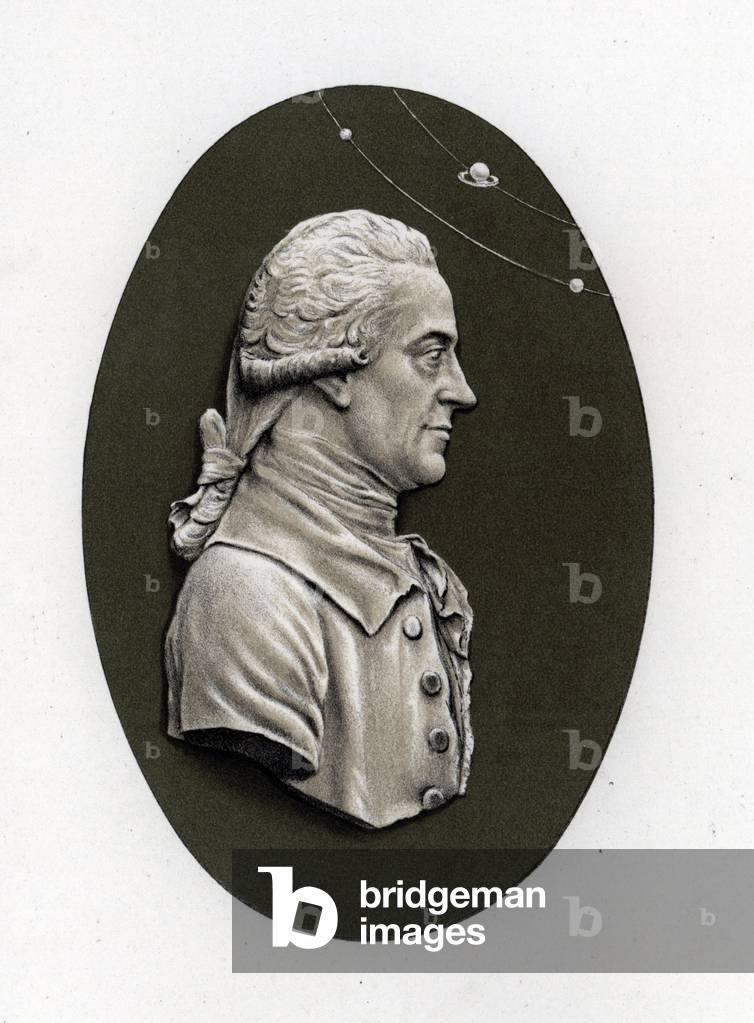
Medallion portrait of astronomer Sir William Herschel. Chromolithograph drawn by Grivell and lithographed by Parrot et Co. from Frederick Rathone's Old Wedgwood, the Decorative or Artistic Ceramic Work Produced by Josiah Wedgwood, Quaritch, London, 1898.

FLO4688973: Medallion portrait of astronomer Sir William Herschel. Chromolithograph drawn by Grivell and lithographed by Parrot et Co. from Frederick Rathone's Old Wedgwood, the Decorative or Artistic Ceramic Work Produced by Josiah Wedgwood, Quaritch, London, 1898. / Bridgeman Images
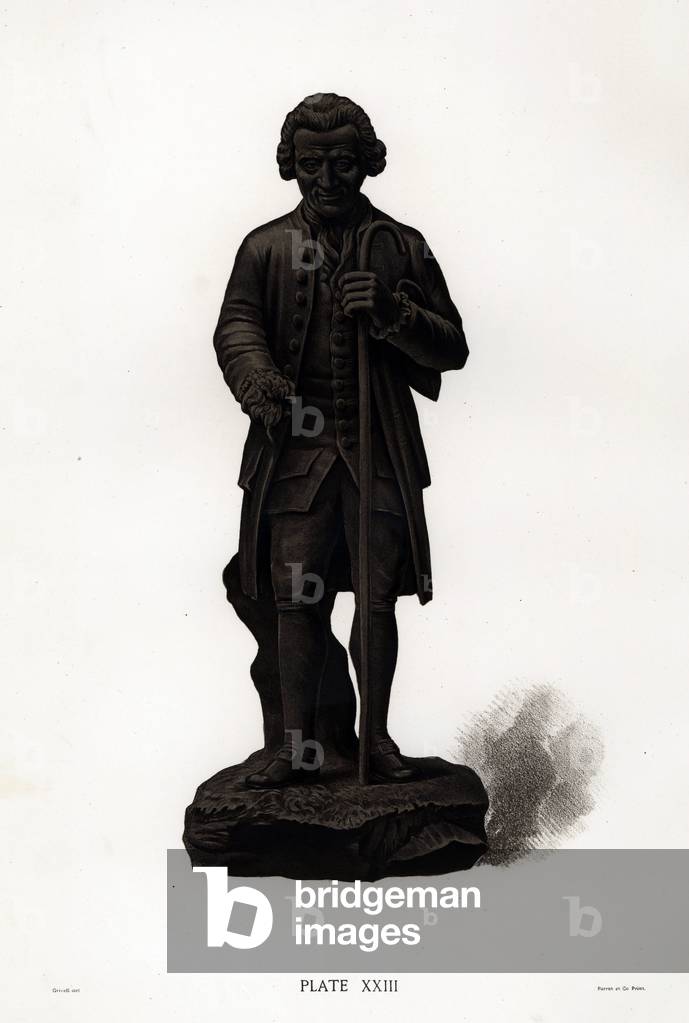
Basalt portrait of Rousseau. Chromolithograph drawn by Grivell and lithographed by Parrot et Co. from Frederick Rathone's Old Wedgwood, the Decorative or Artistic Ceramic Work Produced by Josiah Wedgwood, Quaritch, London, 1898.

FLO4688983: Basalt portrait of Rousseau. Chromolithograph drawn by Grivell and lithographed by Parrot et Co. from Frederick Rathone's Old Wedgwood, the Decorative or Artistic Ceramic Work Produced by Josiah Wedgwood, Quaritch, London, 1898. / Bridgeman Images

Black koty, 680-670 BC

LRI4689007: Black koty, 680-670 BC, Etruscan, (7th century BC) / Bridgeman Images

The Soup, Nah-Pope, a Sauk warrior (Bags and Fox Nation). Soup was second in command to Black Hawk during the war and brother of The Prophet. Handcoloured lithograph by J. Harris after a painting by George Catlin from James Cowles Prichard's Natural History of Man, Balliere, London, 1855.

FLO4688550: The Soup, Nah-Pope, a Sauk warrior (Bags and Fox Nation). Soup was second in command to Black Hawk during the war and brother of The Prophet. Handcoloured lithograph by J. Harris after a painting by George Catlin from James Cowles Prichard's Natural History of Man, Balliere, London, 1855. / Bridgeman Images

The Mint, Sha-ko-ka, a Mandan or Numakiki girl. A very pretty and modest girl, 12 years of age, with grey hair peculiar to the Mandan nation. Handcoloured lithograph after a painting by George Catlin from James Cowles Prichard's Natural History of Man, Balliere, London, 1855.

FLO4688582: The Mint, Sha-ko-ka, a Mandan or Numakiki girl. A very pretty and modest girl, 12 years of age, with grey hair peculiar to the Mandan nation. Handcoloured lithograph after a painting by George Catlin from James Cowles Prichard's Natural History of Man, Balliere, London, 1855. / Bridgeman Images


Back to top