2497525 Search Results

FLO4707477: Portrait of Wulstan (or Wulfstan), second arch of York from 1002-1023. A copy of an 11th century manuscript, dressed in his ordinary dress, sitting and studying a book in his office. Hand-coloured copper engraving, in “Images historiques des costumes des principaux peuples de l'Antiquite et du Middle Ages” by Robert Von Spalart, published in 1796. / Bridgeman Images

FLO4707494: Two Anglo Saxon soldiers in armor, late 9th and 10th century. One weapon with a long spear and wearing a blue cape and a brown tunic, with metal plates attached to the fabric of the skirt (61), the other weapon with a lace, a large bow and a shield, wearing a metal plque tunic on a yellow flattening skirt (62). Hand-coloured copper engraving, in “Images historiques des costumes des principaux peuples de l'Antiquite et du Middle Ages” by Robert Von Spalart, published in 1796. / Bridgeman Images
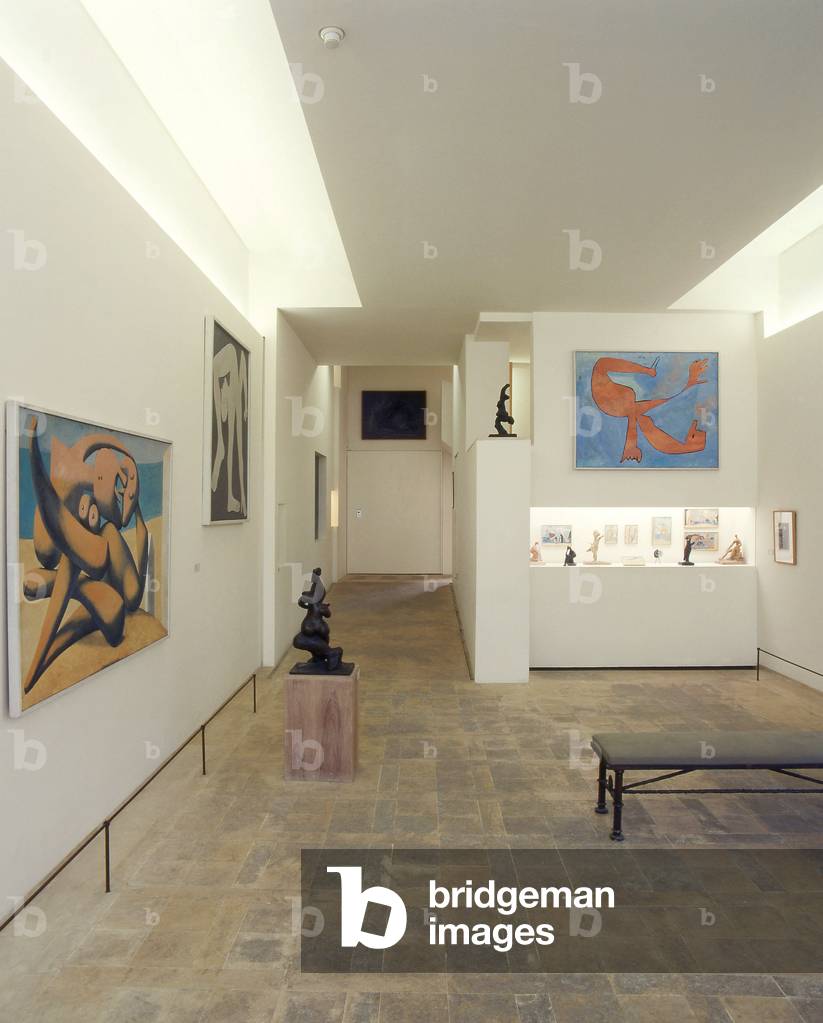
TEC4707538: Musee Picasso a Paris Musee Picasso, 5 rue de Thorigny, Paris 75003. Architecture by Roland Simounet, 1976-1985. Photography 1986., Picasso, Pablo (1881-1973) / Bridgeman Images

MME4707733: Portrait of jazz saxophonist Anthony Braxton in 1981., Mencarini, Marcello / Bridgeman Images

FLO4707756: Margarita, Countess of Flanders (1145-1194), horseback with a hawk and the dwarf Turold, guiding two horses. The Franks wore cups similar to that worn by Marguerite (103). Turold (104), sent by Guillaume (William), Duke of Normandy, known as the Conquerant then William I of England (1027-1087), represented as described by Bernard de Montfaucon in Monument de la Monarchy Francaise. (Copy of a tapestry earlier than that of Bayeux or Queen Mathilde, 11th century). He wears clothes under his suit, the cut and shape of his hat are very special. Hand-coloured copper engraving, in “Images historiques des costumes des principaux peuples de l'Antiquite et du Middle Ages” by Robert Von Spalart, published in 1796. / Bridgeman Images

FLO4707909: Three Norman men of the 12th century, one wearing a talar (dress in fashion at the end of the 12th century), another vetu of the talar above her, and the third wearing a conical cap. Hand-coloured copper engraving, in “Images historique des costumes des principaux peuples de l'Antiquite et du Middle Ages” by Robert Von Spalart, published in 1796. Three Norman men of the 12th century; one in a surtout and carrying a talar (a robe in fashion at the end of the 12th century), one wearing a talar over his especially, and one in a conical bonnet. Handcolored copperplate engraving from Robert von Spalart's “” Historical Picture of the Costumes of the Principal People of Antiquity and of the Middle Ages”” (1796). / Bridgeman Images

FLO4708048: Representation of a Norman in the church of Danbury (Count of Essex, England). Probably older than that of leaf 62, and serious in wood, in a very good state of conservation, given the little attention paid to it. Strutt (who made the copy) noted the perfection of the executed work, which is an enigma, compared to its equivalents of the same period, which lack precision and taste. / Bridgeman Images

MME4708222: Portrait of composer and poet John Cage holding a photograph of him taken the previous year, 1983., Mencarini, Marcello / Bridgeman Images

MME4708229: Portrait of composer and poet John Cage, 1982., Mencarini, Marcello / Bridgeman Images

MME4707845: Portrait of the French maker Robert Bresson with his wife in 1980, Mencarini, Marcello / Bridgeman Images

FLO4708217: Knights fighters on foot, spear duel, during a tournament. The one on the left wears a crimson skirt over his armor, and has three red feathers on his helm. The one on the right uses his spear to prevent his opponent's attack. Hand-coloured copper engraving, in “Images historiques des costumes des principaux peuples de l'Antiquite et du Middle Ages” by Robert Von Spalart, published in 1800. / Bridgeman Images

MME4708086: Portrait of the Spanish actresses Montserrat Caballe and Italian renata Tebaldi in 1983., Mencarini, Marcello / Bridgeman Images

FLO4708149: The Norman cavalry: a slightly weapon with a sword and a shield, the other heavily weapon with a chain armor and a spear. Both of a mostly military. Hand-coloured copper engraving, in “Images historiques des costumes des principaux peuples de l'Antiquite et du Middle Ages” by Robert Von Spalart, published in 1796. / Bridgeman Images

MME4708169: Portrait of composer and poet John Cage, 1982., Mencarini, Marcello / Bridgeman Images

MME4708329: Italo Calvino, Venice Lido, Italy, 1981 (photo), Mencarini, Marcello / Bridgeman Images
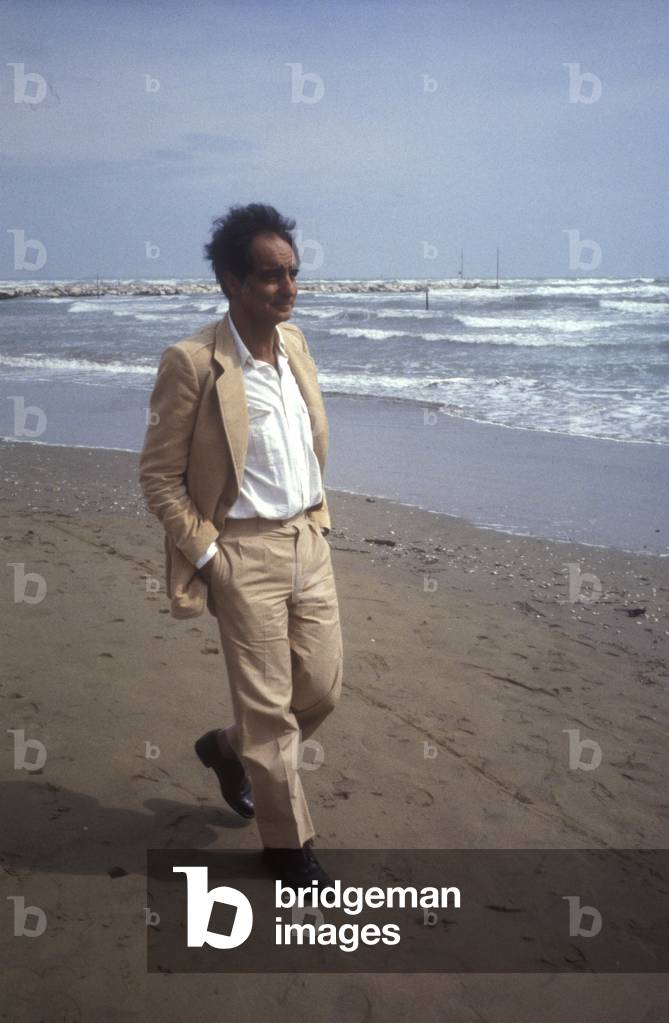
MME4708412: Italo Calvino, Venice Lido, Italy, 1981 (photo), Mencarini, Marcello / Bridgeman Images

MME4708647: Portrait of the French artist Cesar Baldaccini called Cesar at the Venice Art Biennale in 1995., Cesar (Cesar Baldaccini) (1921-98) / Bridgeman Images

MME4708943: Panoramic view of St. Peter's Square in Rome from the dome of the Basilica, Rome Italy, Mencarini, Marcello / Bridgeman Images
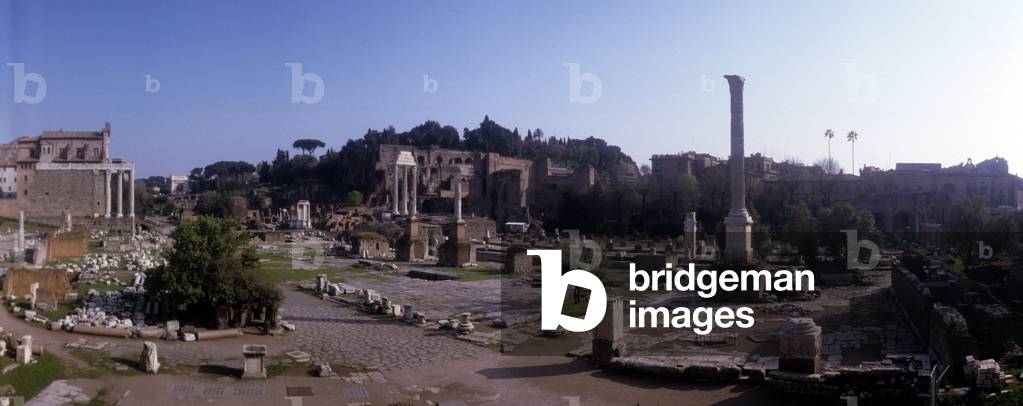
MME4709094: Panoramic view of the Roman Forum (foro romano) Rome, Italy, Mencarini, Marcello / Bridgeman Images

MME4708705: Portrait of musician and singer Ray Charles in 1990., Mencarini, Marcello / Bridgeman Images
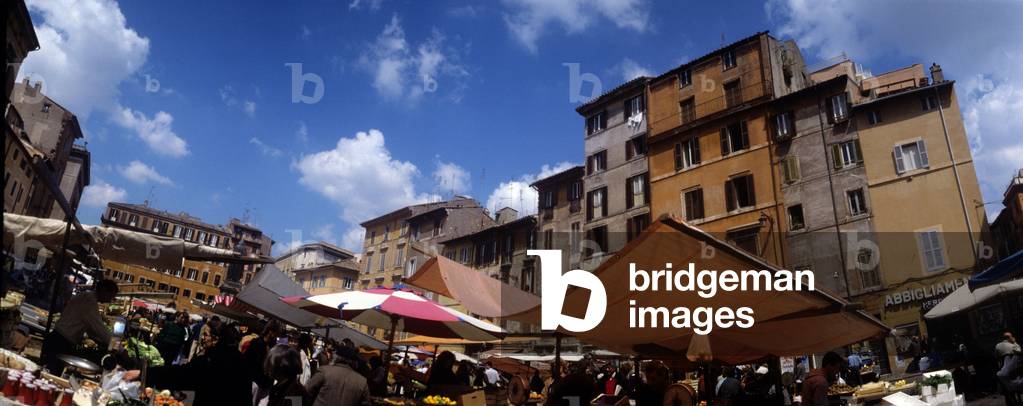
MME4708946: Panoramic view of the walk of Campo dei fiori square, Rome Italy, Mencarini, Marcello / Bridgeman Images

MME4710164: Portrait of Japanese director Akira Kurosawa, 1980 (photo), Mencarini, Marcello / Bridgeman Images

FLO4708365: Knight of the temple who does not yet have the Cross, but is already armed with a spear and a sword. His dress officially must not be “” longer than the Cross””. The Order of the Knights of the Temple was founded in 1118 by Hugues de Payns (died 1136), Knight of Champagne and eight other knights to protect the pelerins in the Holy Land. After a humble beginning as Poor Knights of the Temple, the order developed to become a powerful and rich army of fighting monks, with monasteres throughout Europe, and numerous castles in Palestine (Safed, 1140; Karak, 1143; and the castle of the Pelerins 1217). The order ended tragically in 1312 when the Templars were judges, tortures and executes. Hand-coloured copper engraving, in “Images historiques des costumes des principaux peuples de l'Antiquite et du Middle Ages” by Robert Von Spalart, published in 1796. / Bridgeman Images
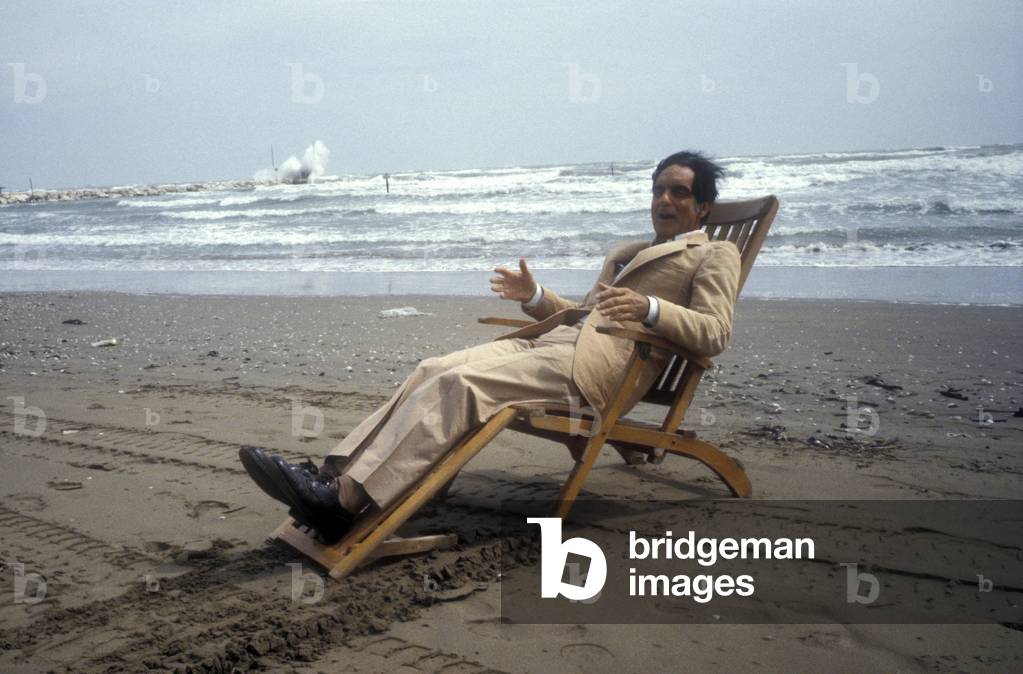
MME4708372: Italo Calvino, Venice Lido, Italy, 1981 (photo), Mencarini, Marcello / Bridgeman Images

FLO4707988: Cartoon of demon adorned with a predominantly Norman with long sleeves, attached to the sleeves and tail, to its sides, a Norman woman seated and veiled, wearing a baby, and another Norman woman with long braid hair, clothed with one above all. Hand-coloured copper engraving, in “Images historique des costumes des principaux peuples de l'Antiquite et du Middle Ages” by Robert Von Spalart, published in 1796. Cartoon of demon wearing a Norman long sleeved surtout tied at the sleeves and tails, seated Norman woman in veil holding a baby, and Norman woman with long plaited hair in a surtout. Handcolored copperplate engraving from Robert von Spalart's “” Historical Picture of the Costumes of the Principal People of Antiquity and of the Middle Ages”” (1796). / Bridgeman Images

MME4708502: Cannes Film Festival, photo sitting around a comedian posing on a car at the Palais des Festivals. 1991 Panoramic view, Mencarini, Marcello / Bridgeman Images

FLO4708583: Knight of Malta in war suit (red jacket decoree with a large white cross on the chest). The Order of the Knights of Malta came from the Knights Hospitaller, a military order founded in 1099 to protect and treat the pelerins in Palestine. Following their expulsion from the Holy Land, the order was established on the island of Rhodes (1310-1523) before establishing itself in Malta in 1530. The order ruled the island until 1798, until Napoleon averted them. Today it survives under the name Sovereign Military Order of Malta. / Bridgeman Images
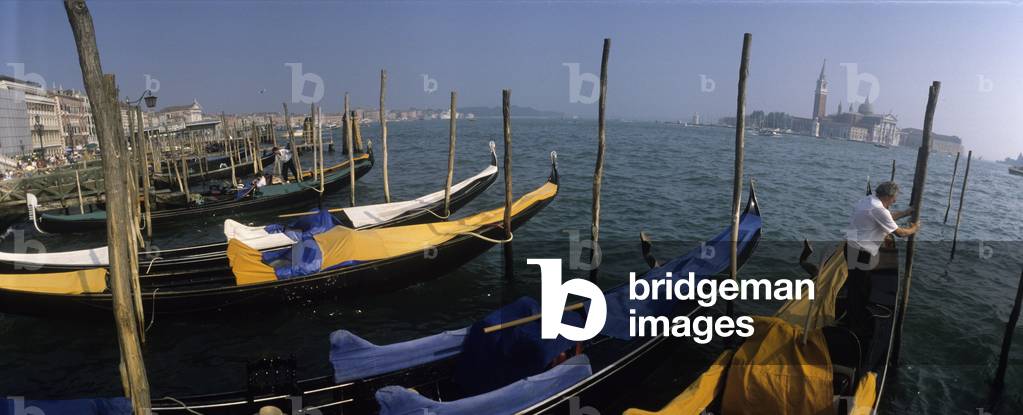
MME4709264: Panoramic view of Venice lagoon with gondolas. Italy, Mencarini, Marcello / Bridgeman Images
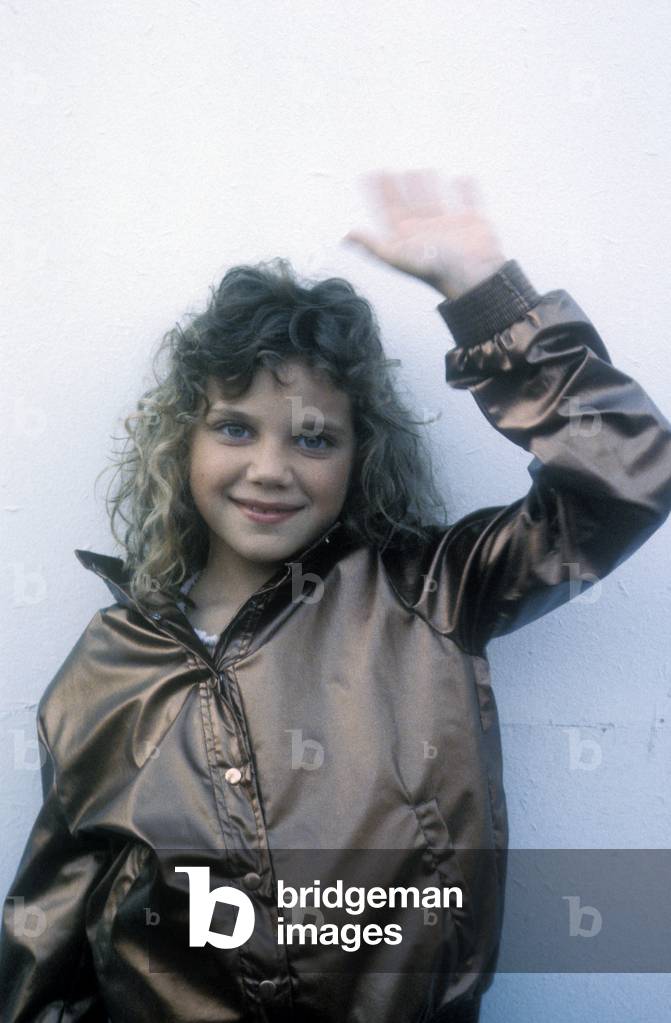
MME4709404: Portrait of the American pop singer child Nikka Costa in 1981., Mencarini, Marcello / Bridgeman Images

MME4709135: Panoramic view of the Procuracy Vecchie on the Piazza San Marco in Venice, Italy, Mencarini, Marcello / Bridgeman Images

MME4709335: Portrait of American poet Gregory Corso, member of the Beat Generation in Rome in 1980., Mencarini, Marcello / Bridgeman Images

FLO4709366: Cuff links and shirt studs in gold and enamel, opal, sapphire, diamond, turquoise and ruby. Chromolithograph from Edwin Street's Gems Catalog, Bond Street, London, circa 1895 / Bridgeman Images
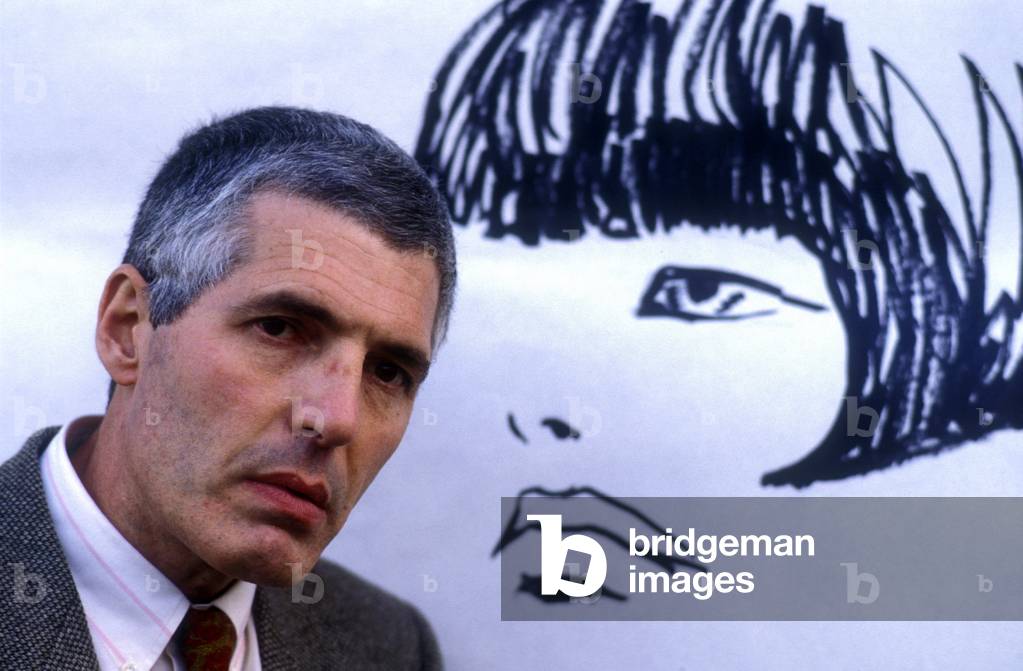
MME4709459: Portrait of Italian cartoonist Guido Crepax in 1980., Crepax, Guido (1933-2003) / Bridgeman Images

FLO4709518: Ten guinea jewels: brooch, pendant, bracelet, ring in sapphire, opal, diamond, jade, and enamel. Chromolithograph from Edwin Street's Gems Catalog, Bond Street, London, circa 1895 / Bridgeman Images
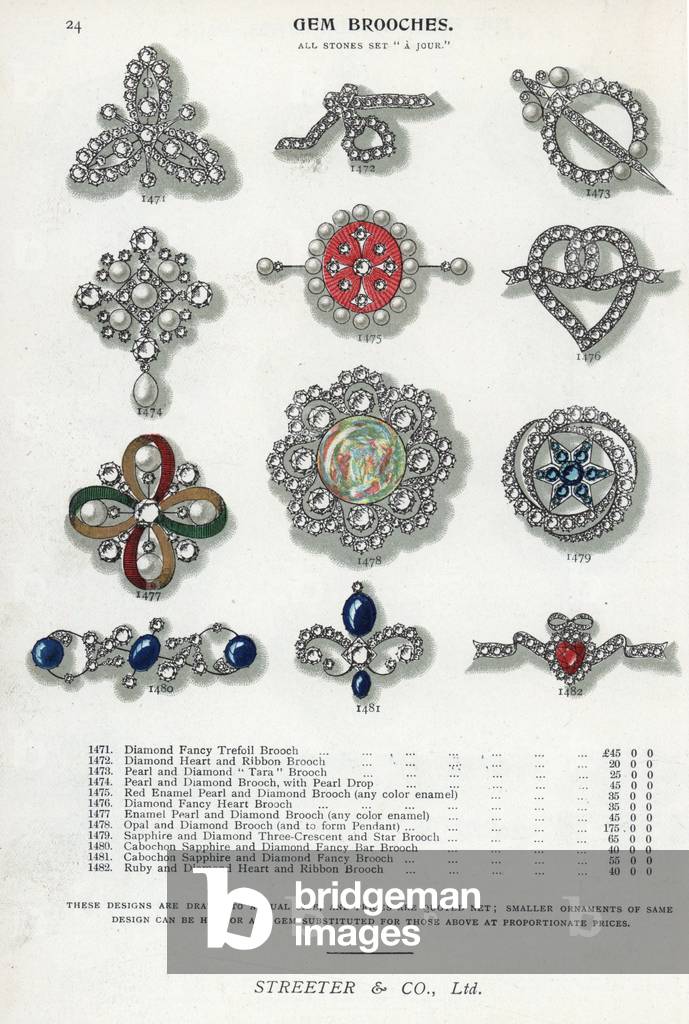
FLO4709559: Gem brooches in diamond, pearl, enamel, opal and sapphire. Chromolithograph from Edwin Street's Gems Catalog, Bond Street, London, circa 1895. / Bridgeman Images
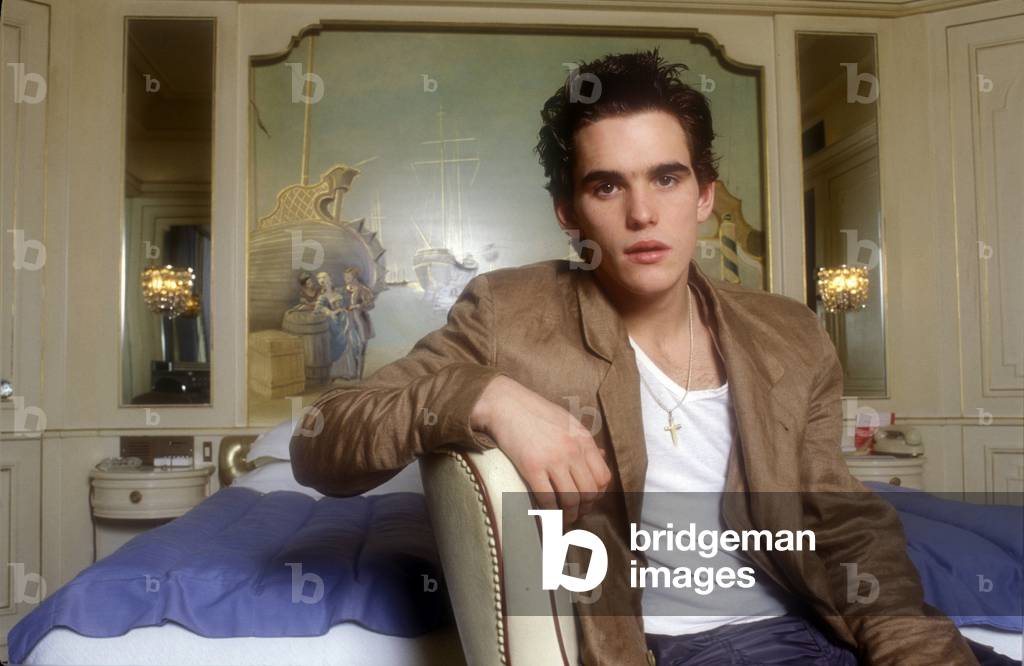
MME4709629: Portrait of American comedian Matt Dillon, 1984, Mencarini, Marcello / Bridgeman Images
