2491557 Search Results
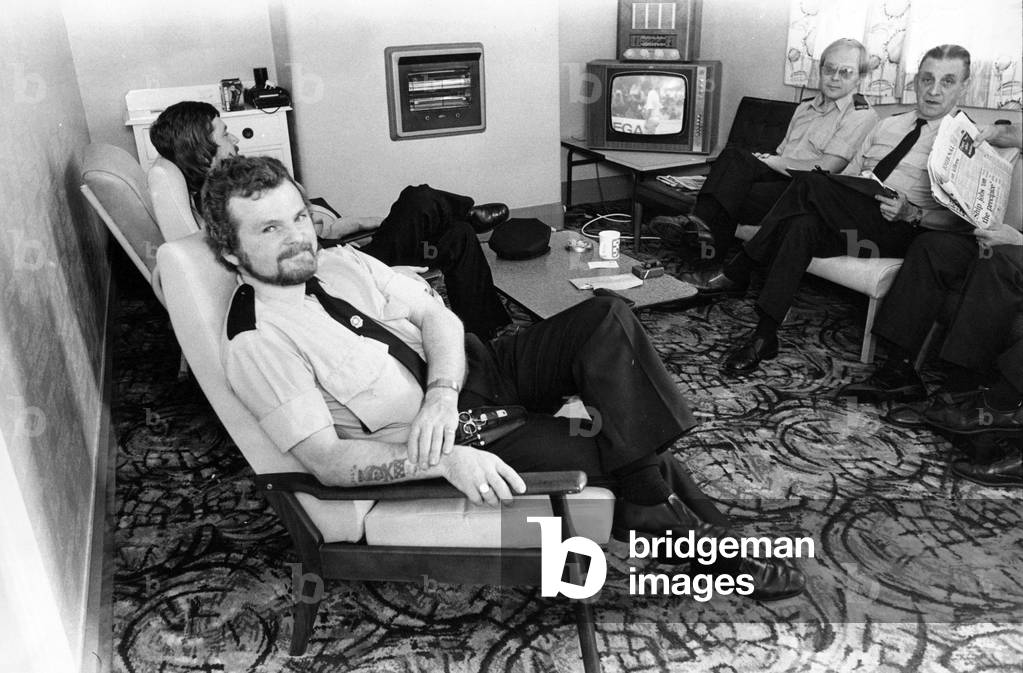
MPX5090951: Ambulancemen relax, knowing that the next call-out could be at any moment, at Willington Quay Maternity Hospital, c.1970 / Bridgeman Images
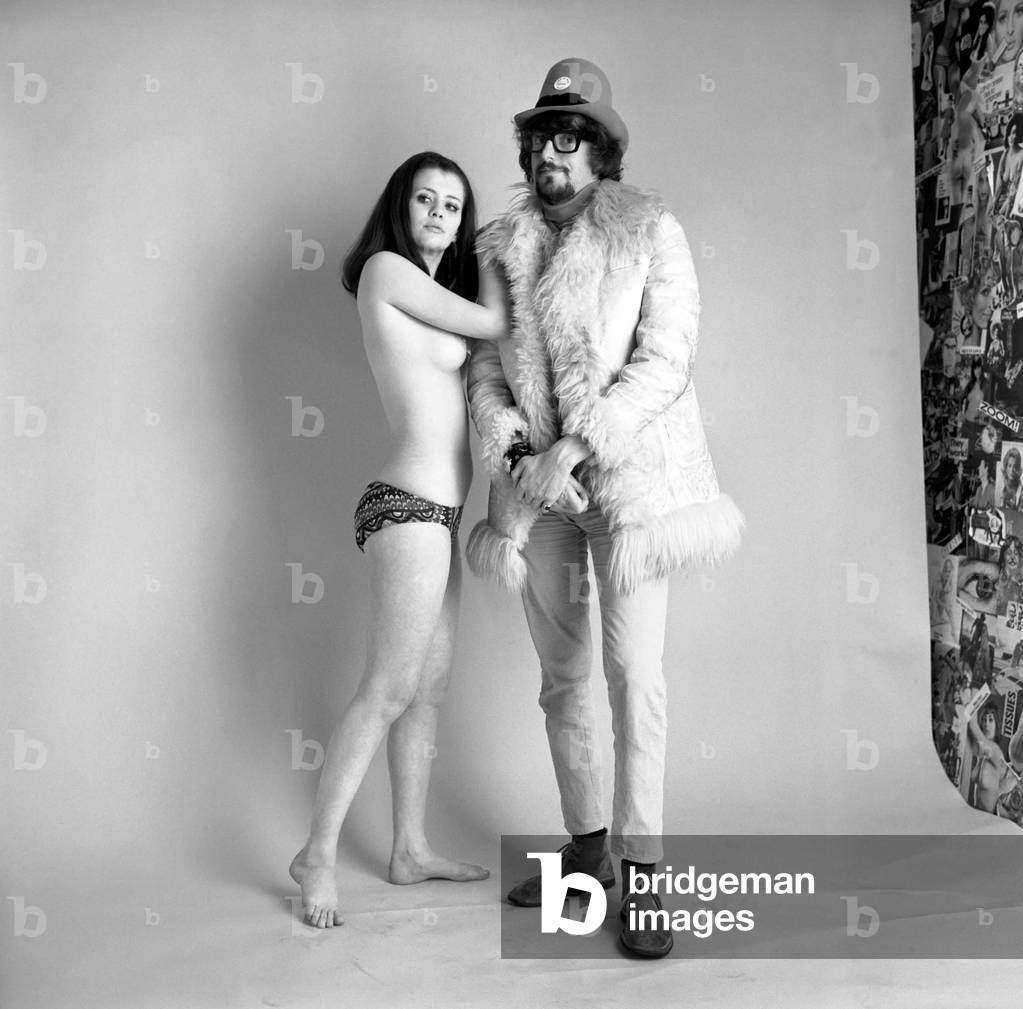
MPX5090957: Jonathan King posed with 17 year old model Mary Colinson from Malta for a pin-up photograph for a calendar to be sent to disc jockeys and producers to plug Jonathan's current record "Let It All Hang Out" which has just entered the best sellers. The message on the calendar will read Let it all hangout for 1970. December 1969 / Bridgeman Images
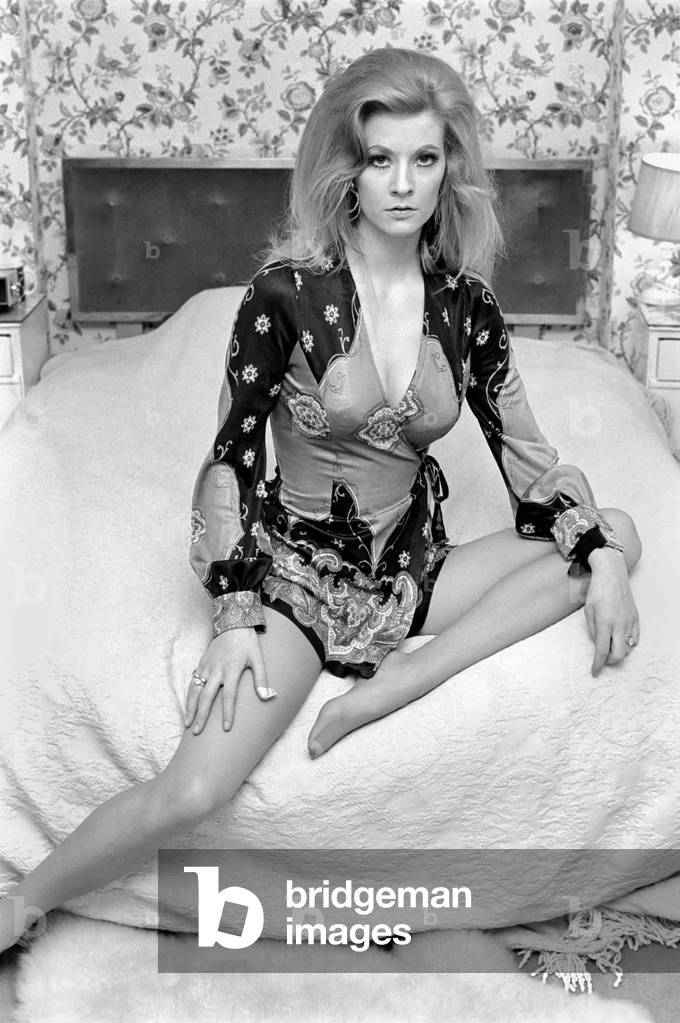
MPX5090987: Beautiful blonde model Vicki Hodge is finding more work in the show business scene and as a result of which is cutting down on her modelling engagements, Vicki Hodge pictured in her new Belgravia home. December 1969 / Bridgeman Images
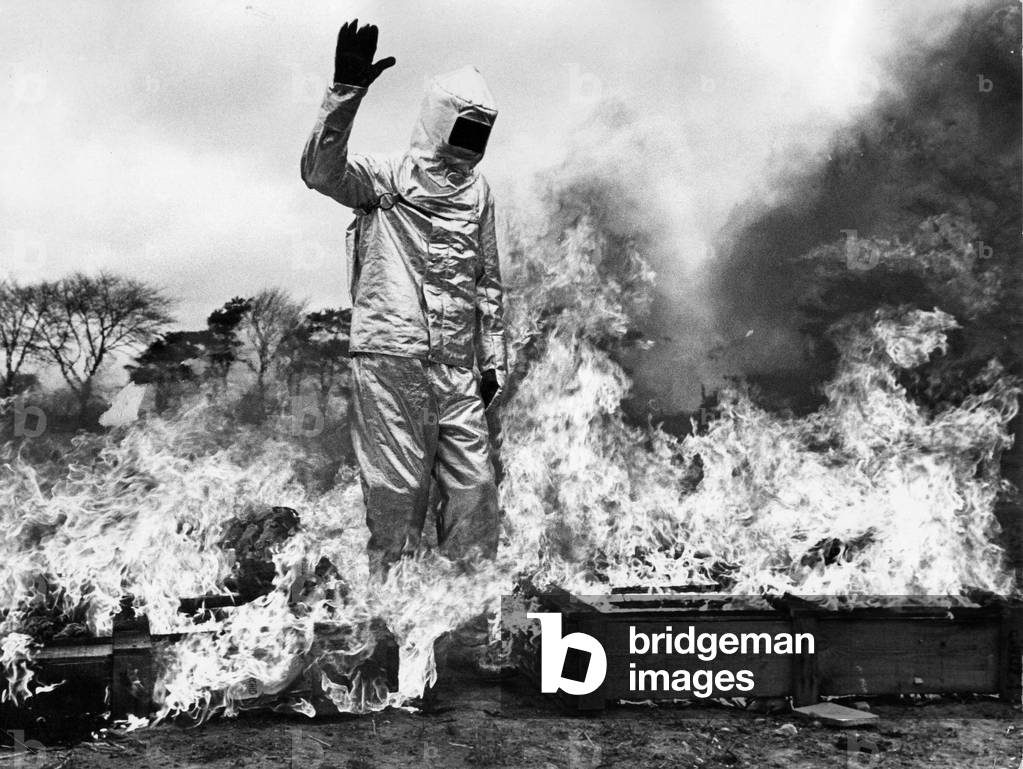
MPX5090999: Firefighter Dave Katz walks throught a tunnel of fire to demonstate the fireproof suit, 1970 / Bridgeman Images

MPX5091062: Britains men and women of steel. Steel works of Britain producing engines, guns, armour and many other products for the war effort. The factort burns 10000 tons of coal a week to keep the production line moving day and night. 14th October 1942 / Bridgeman Images

MPX5087784: Model shot: Drug addict seen here taking drugs. 1960 / Bridgeman Images
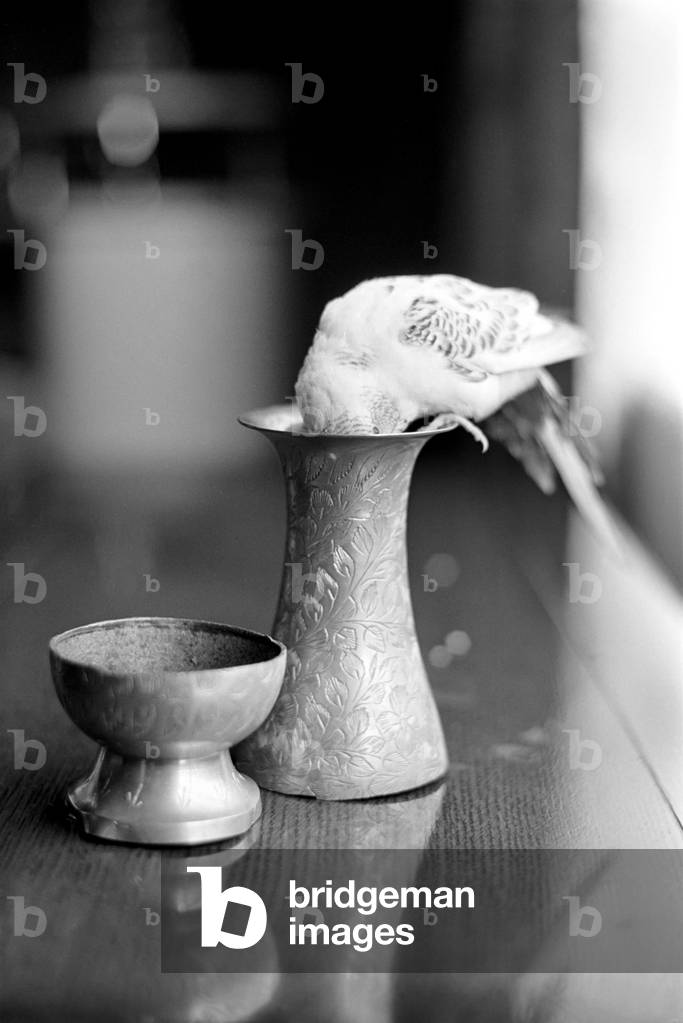
MPX5085710: Bird: Animal: Pet: Budgie. March 1970 / Bridgeman Images

MPX5087847: The Black Brothers, they are all in the music business. (Left to Right) Don, Michael and Cyril on the telephone at their office. December 1969 / Bridgeman Images

MPX5087850: The Black Brothers, they are all in the music business. (Bottom to top) Don, Cyrill, and Michael at their West End Office. December 1969 / Bridgeman Images
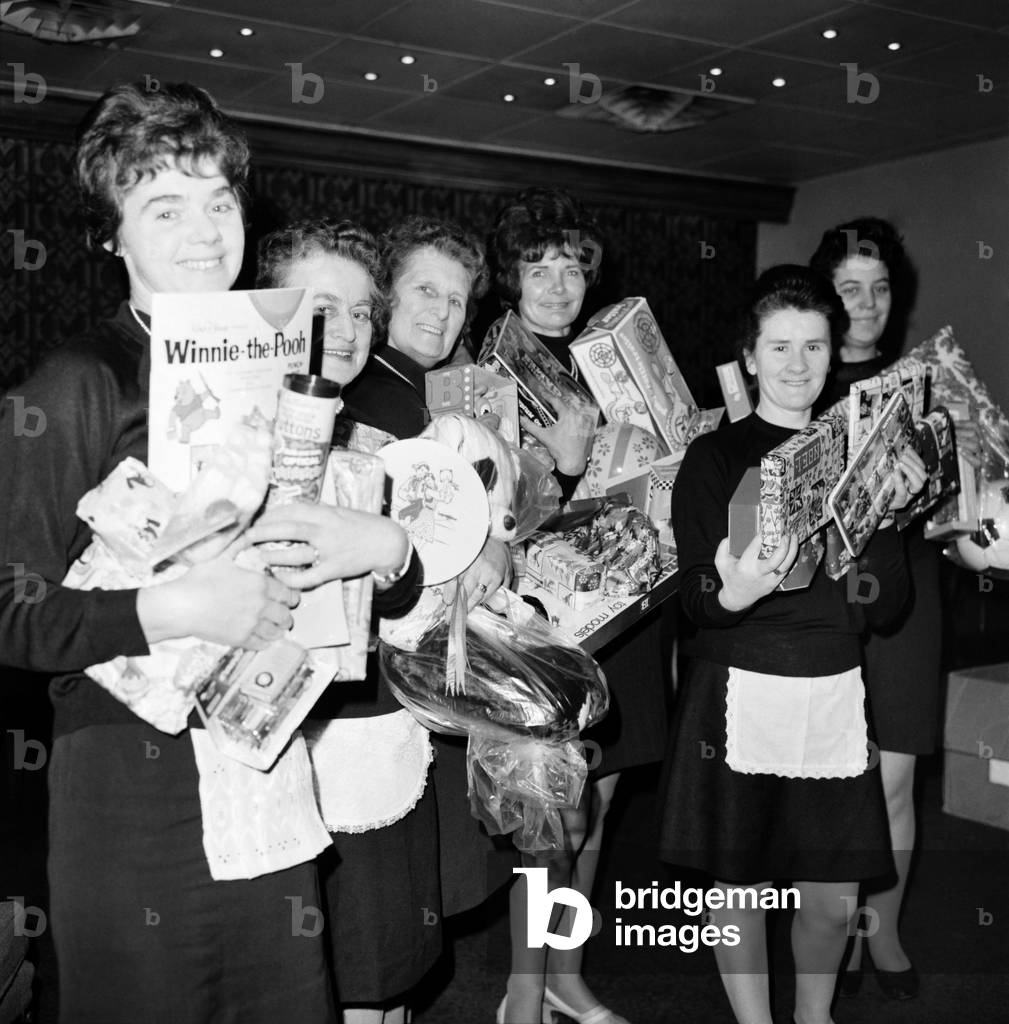
MPX5087919: Holding presents they have bought with the rest of the banqueting staff at Skyway Airport Hotel for the mentally handicapped children at State Park Hospital at Bristol. December 1969 / Bridgeman Images
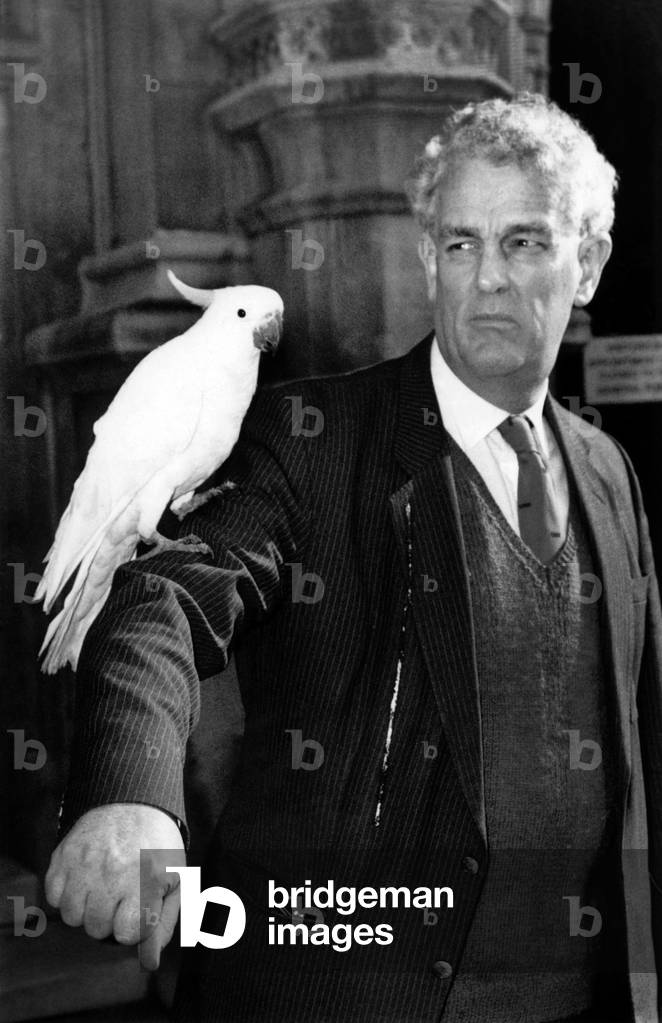
MPX5087935: Whoês a Messy Polly? Crusading MP Tam Dalyell stretched out a hand to help the world's parrots yesterday. And what did he get for his trouble? A mucky suit, thatês what. This cockatoo sat on his arm in London and left a mark that didnêt match the pinstripes. Labour's talkative Tam, launching a parrot conservation campaign, glared at the squawking bird as though at Margaret Thatcher, and asked: Doesn't it remind you of someone? Who's a Messy Polly? October 1989 / Bridgeman Images
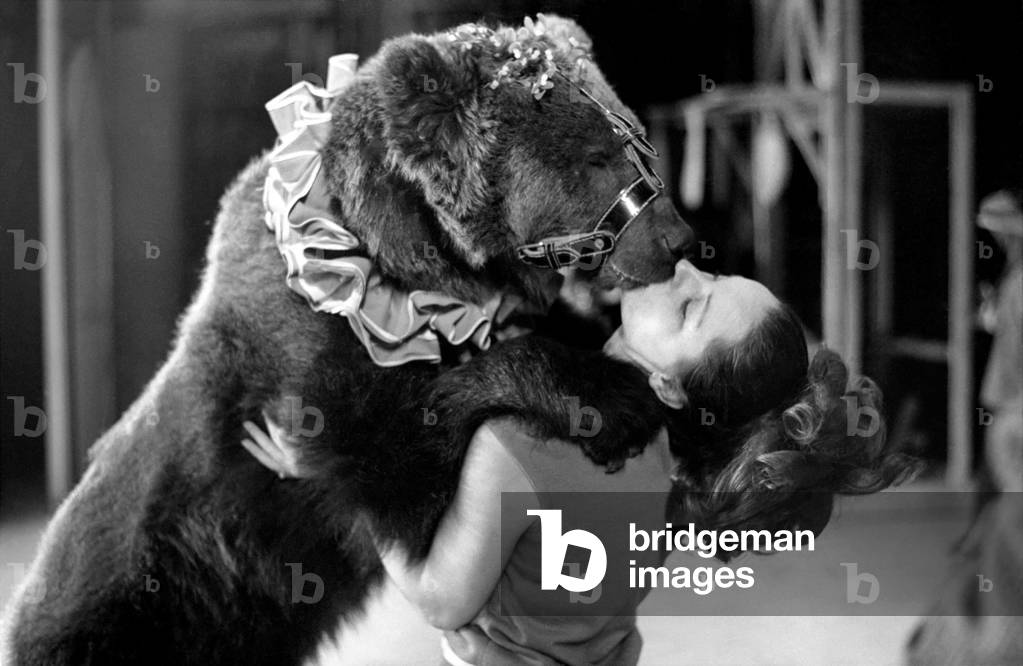
MPX5085833: Paul and Danuska Ruppert from Germany, run what is claimed to be "the greatest animal act in the world" - namely Rupperts Bears, December 1969 / Bridgeman Images

MPX5086254: Actress Glenda Jackson March 1965 / Bridgeman Images

MPX5086290: Small boy feeding goat. 1960 / Bridgeman Images

MPX5083692: David Essex, Once in a Lifetime Rewind Tour at Metro Radio Arena 11th April 2007 (photo) / Bridgeman Images
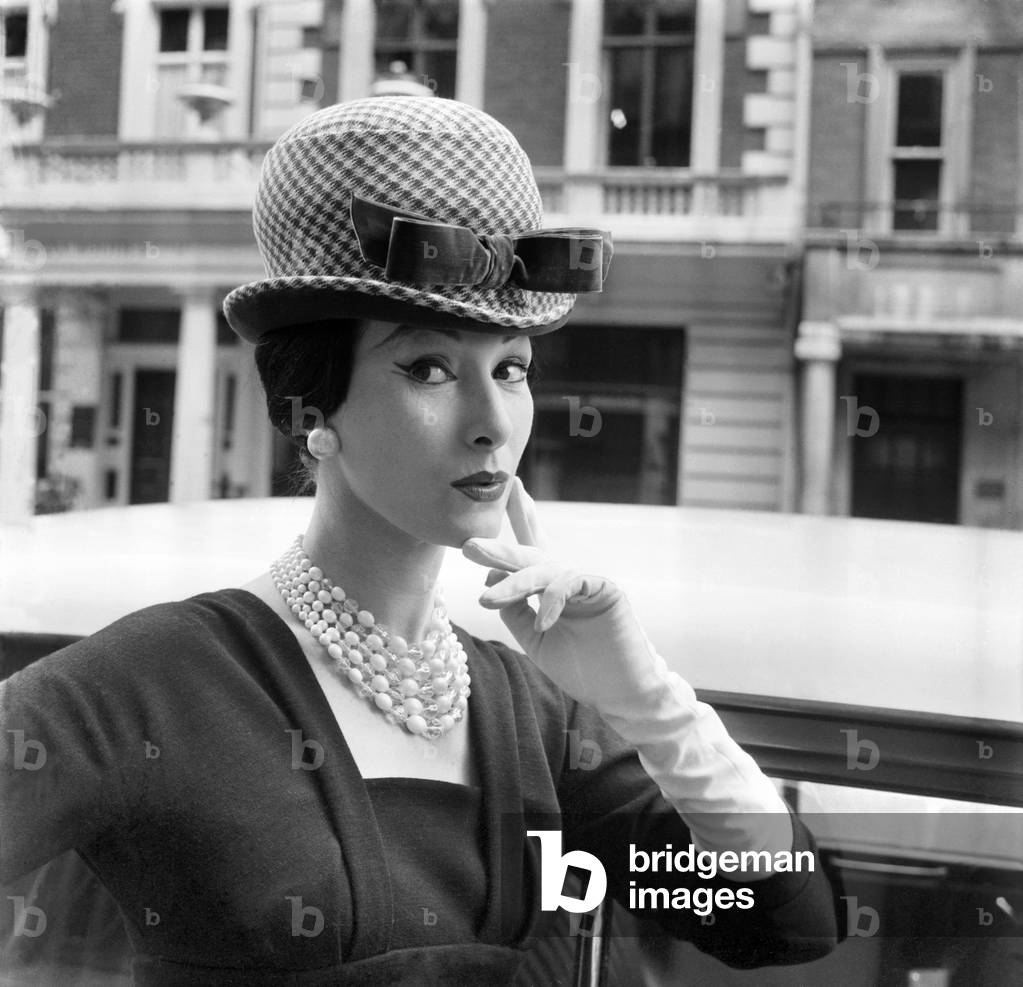
MPX5086302: 1960's Hat Fashions. June 1960 / Bridgeman Images
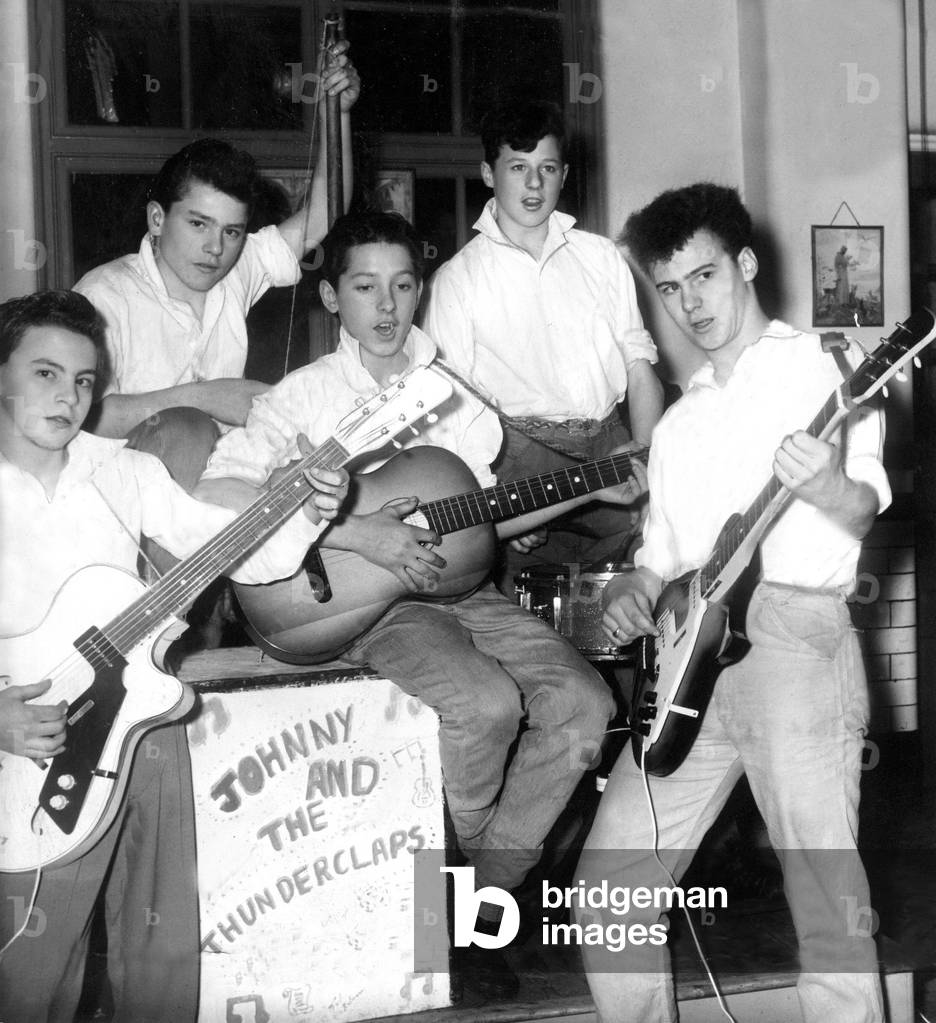
MPX5086320: Johnny and the Thunderclaps play at their local youth club, c.1960 / Bridgeman Images

MPX5083770: Bears, 17th April 1948 (b/w photo) / Bridgeman Images

MPX5084052: Dance Members of the TV Toppers dance troop seen here with Jack Billings dance director, 23rd August 1953 (b/w photo) / Bridgeman Images

MPX5084067: Actress Jane Birkin shopping in Paris, 4th June 1970 (b/w photo) / Bridgeman Images

MPX5086609: Seamen shake strike chairman Paddy Nearyês hand and carry him on their shoulders when he returned to Liverpool after his prison sentence. October 1960 / Bridgeman Images

MPX5086663: Even the dog has a matching set to fashion show, was held to day, at Scotch House, Knights Bridge. These models and Borzio are wearing coats of the same pattern. May 1960 / Bridgeman Images

MPX5084121: Muhammad Ali with his children, 27th August 1974 (b/w photo) / Bridgeman Images
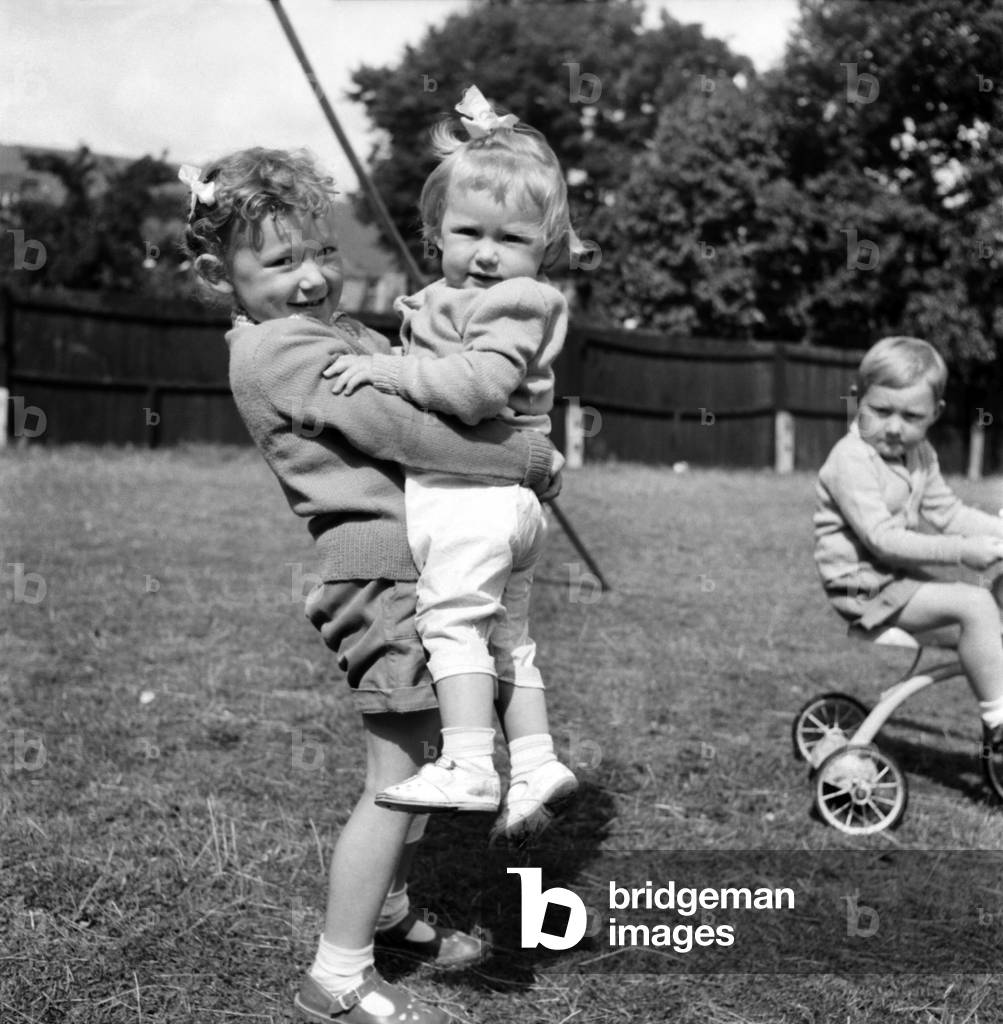
MPX5086717: Anette Gogg playing with her sister. August 1953 / Bridgeman Images

MPX5084130: Durham Miners Gala, Maureen Critchley of South Shields has a rest after the exhausting day, 1960 (b/w photo) / Bridgeman Images

MPX5084153: Muhammad Ali training at his Pennsylvanian mountain retreat for his fight against George Foreman in Zaire, 27th August 1974 (b/w photo) / Bridgeman Images

MPX5084159: Woken up from his cosy nap, this Koala won't even open his eyes, 23rd January 1947 (b/w photo) / Bridgeman Images
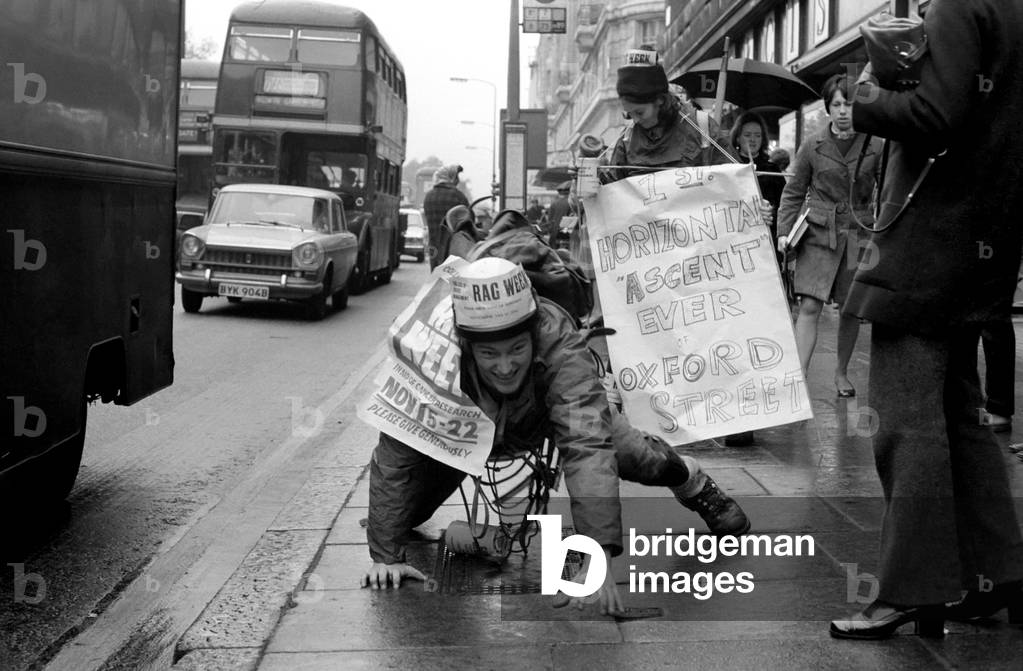
MPX5081513: One of the six student mountaineers making a horizontal attempt on Oxford Street today, was John Phipps who comes from the College of Estate Management, Kensington. He inched his way from Marble Arch using cracks between paving stones to pull himself along - all in aid of the Cancer Research charity. John Phipps doing his climb up the Pavement November 1969 / Bridgeman Images

MPX5081525: Entertainment: Clowns Blowey the clown seen here putting on his make-up before a performance. March 1981 / Bridgeman Images
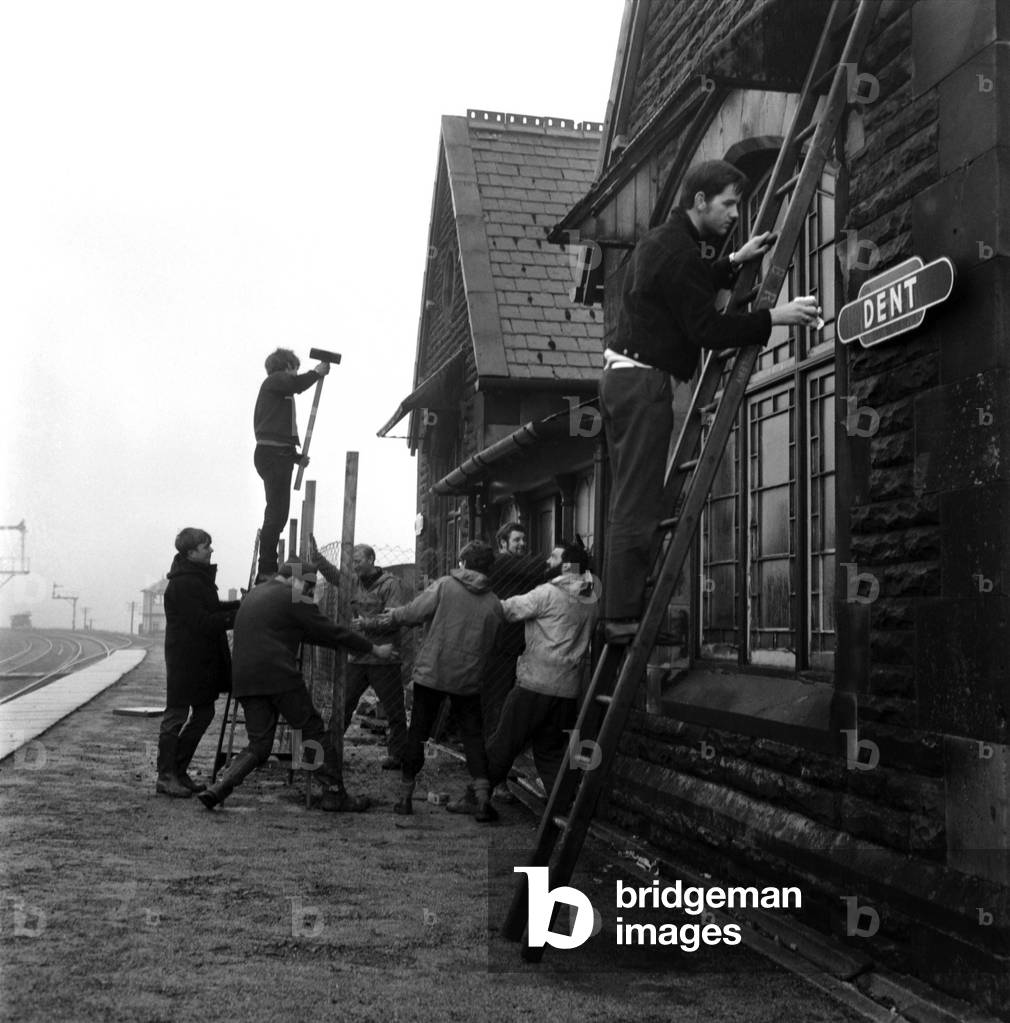
MPX5081555: Transport. Rail. Funds raised by selling knickers and bras has helped schoolboys to acquire their own railway station. Boys from the Barden Country Sec School, Burnley, Lancs are now spending their spare time renovating and converting the station at Dent, near Sedbergh, Yorks. Boys building the fence as Lewis Welsh cleans the Dent Sign. December 1967 / Bridgeman Images

MPX5081564: Entertainment: Clowns Blowey the clown seen here putting on his make-up before a performance. March 1981 / Bridgeman Images
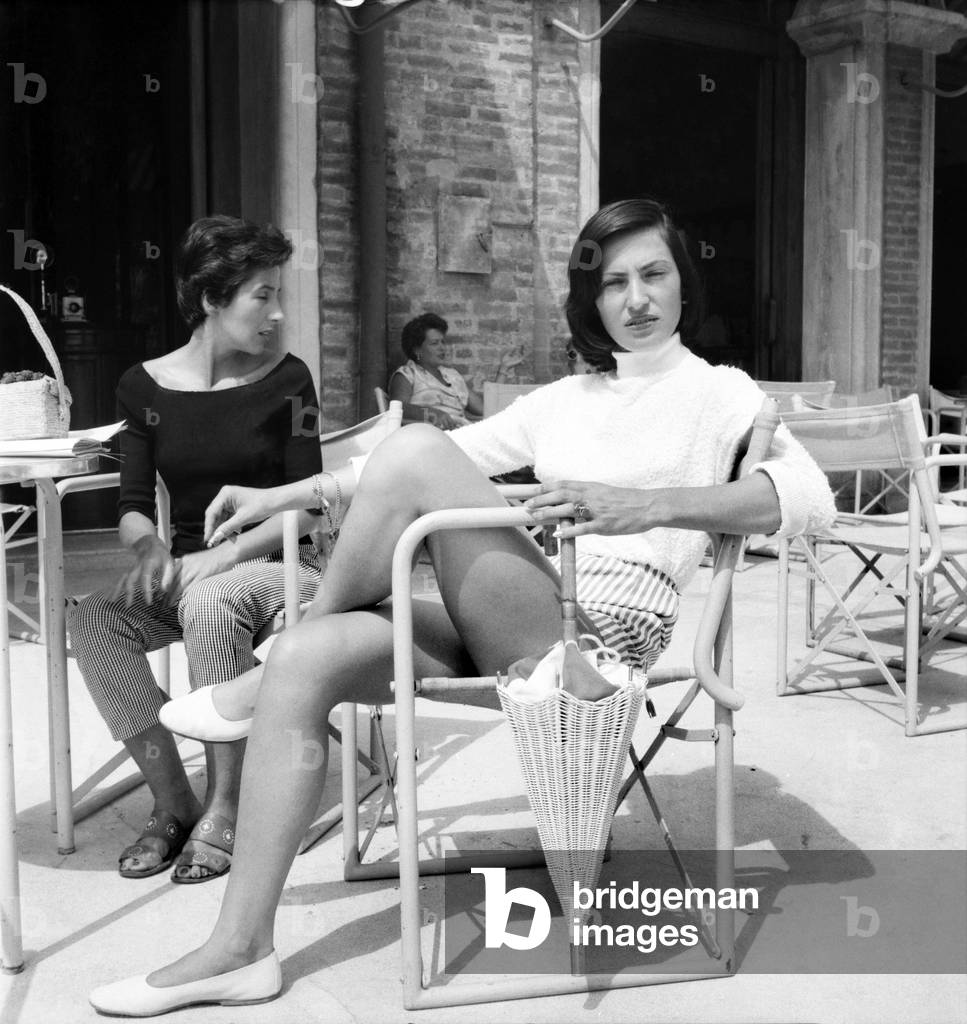
MPX5086653: Venice Film Festival 1953. Italian actress Teresa Pellati. August 1953 / Bridgeman Images
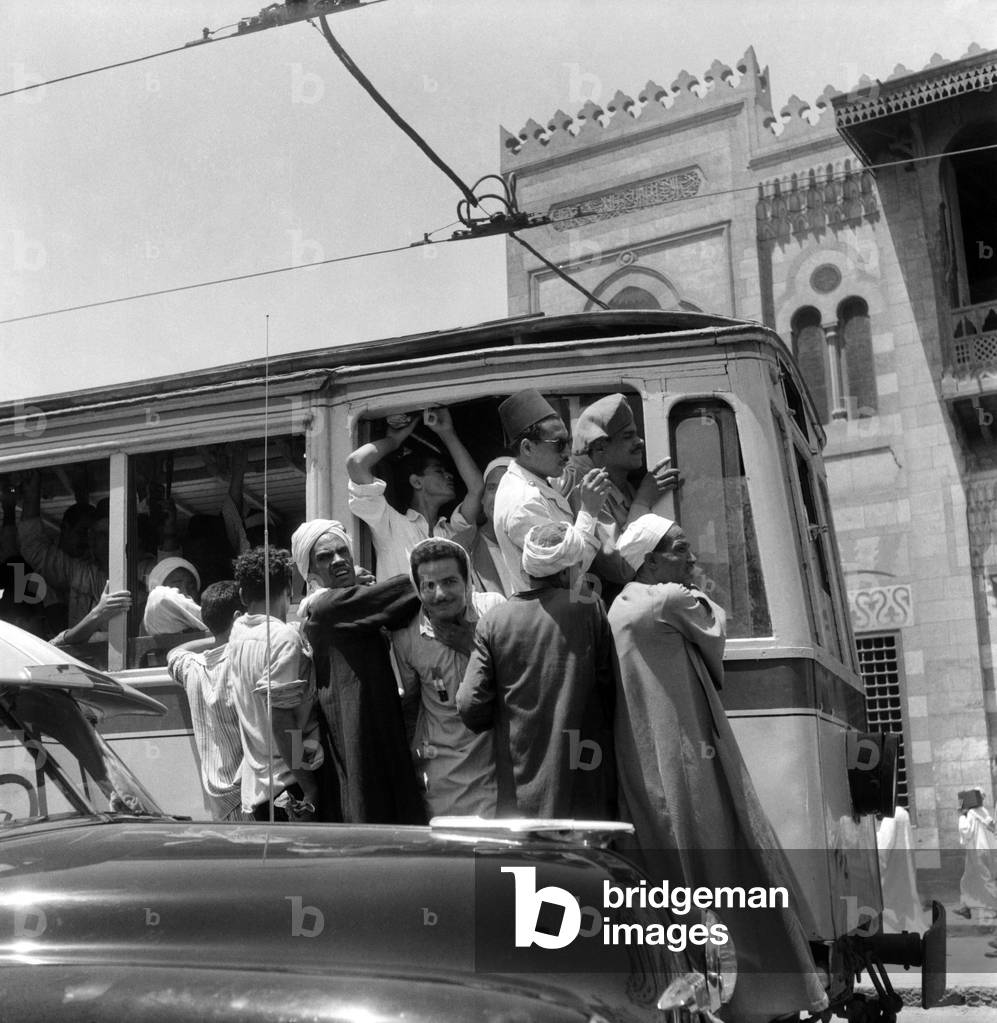
MPX5086719: Egypt: Transport: Trams: No"5 standing only" rule here. There always seems to be rush hour in Cairo Egypt because at no time are the trams without lots of people hanging all round it. In special case people even sit on the roof. August 1953 / Bridgeman Images
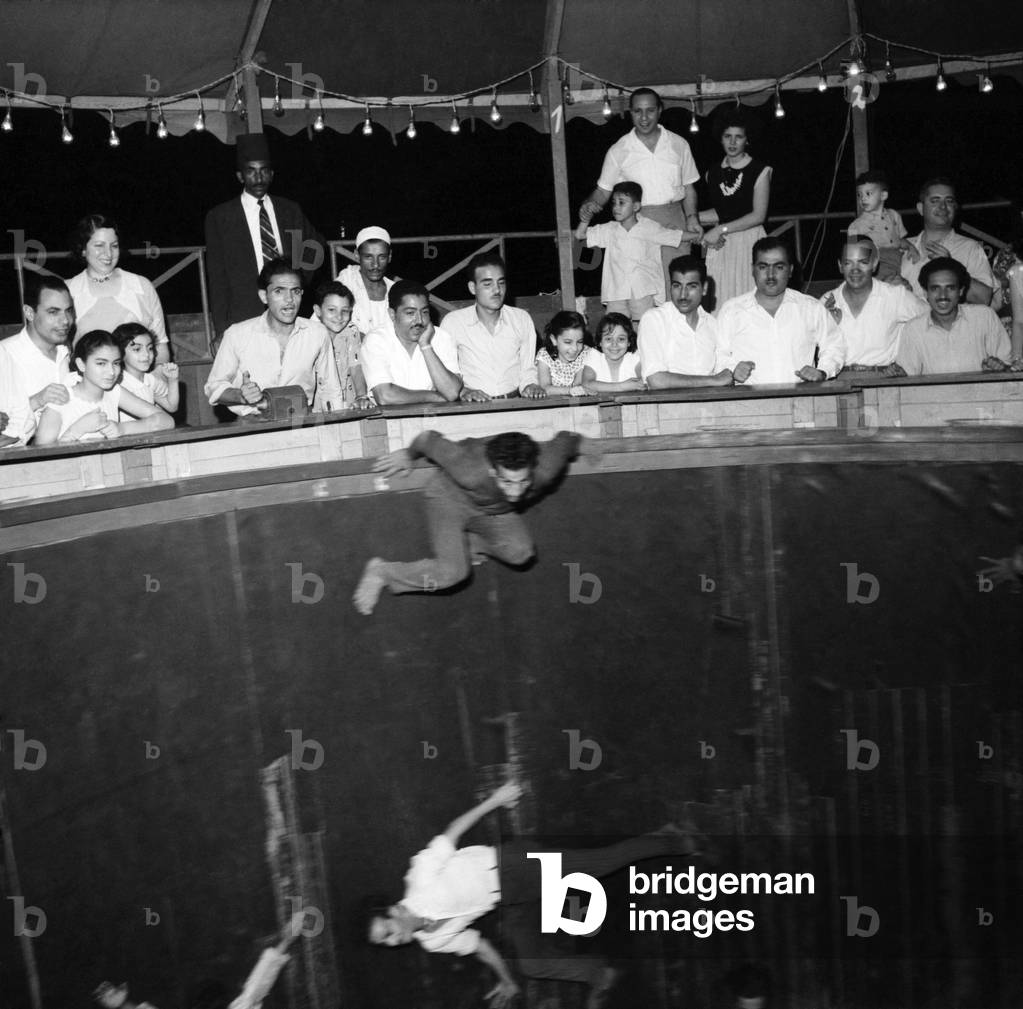
MPX5086805: Egypt: Cairo funfair Egyptian families enjoying a night of fun at the fair on the outskirts of the city. The rotor ride was particular favourite. July 1953 / Bridgeman Images

MPX5081845: Laboratory/Testing/Work Science: Water Tests: Paul Cooper, Christopher Whatley, Roy Spicer. February 1975 / Bridgeman Images
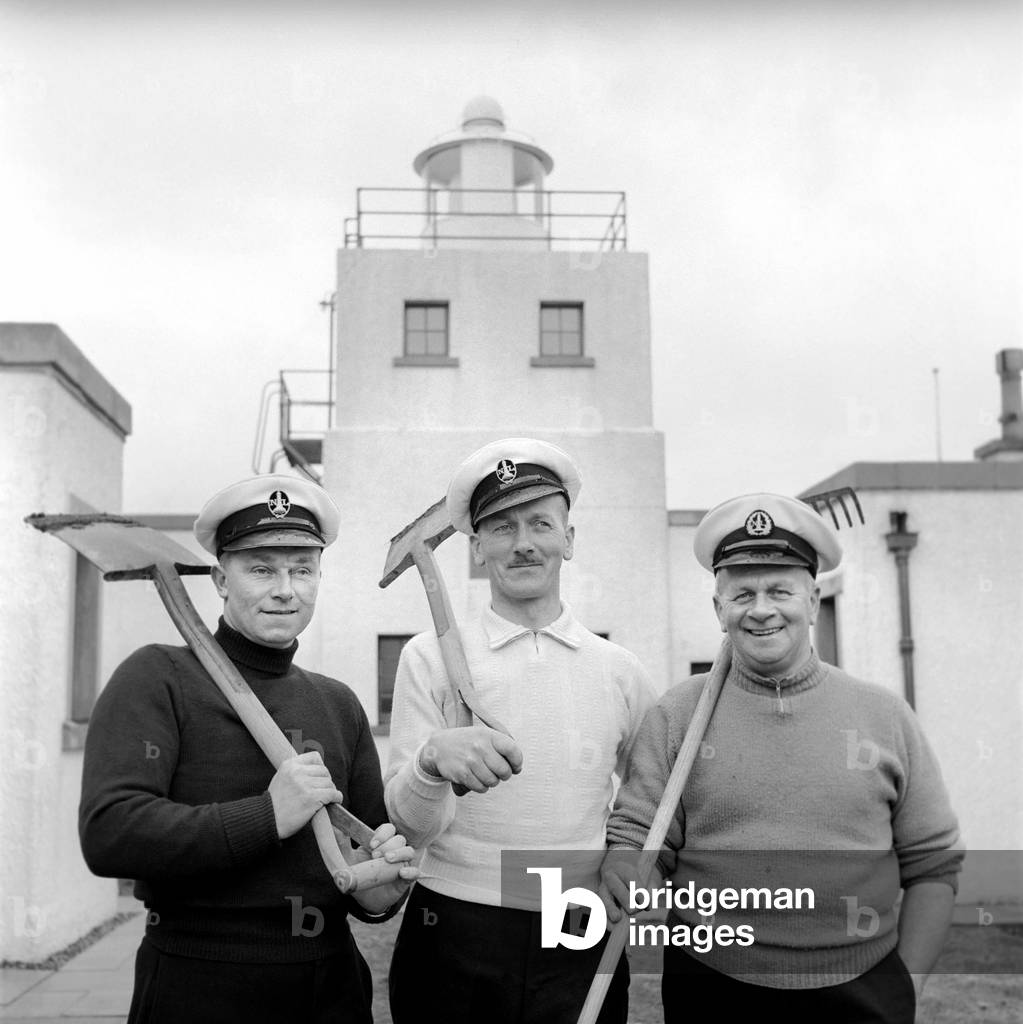
MPX5086844: The lighthouse keepers and their families go about their daily duties around The Strathy Point Lighthouse. These include cleaning the lamp, maintaining the foghorn and looking after the garden. 1960 / Bridgeman Images
