Search options

Orientation
Colour

Display options

View

Print

To print search results, use print friendly version of this page.

2491516 Search Results

Sunset - September Equinox - Sunset - September equinox - At the September equinox (the 22nd or 23rd depending on the years), the Sun passes from north to south of the equator line on the Celestial vault. Day and night have the same duration, the Sun rises precisely to the east and it really sets to the west. Sunset on september equinox, where the sun is setting exactly toward the west

PIX4629063: Sunset - September Equinox - Sunset - September equinox - At the September equinox (the 22nd or 23rd depending on the years), the Sun passes from north to south of the equator line on the Celestial vault. Day and night have the same duration, the Sun rises precisely to the east and it really sets to the west. Sunset on september equinox, where the sun is setting exactly toward the west / Bridgeman Images

Representation of St. Mark and St. Marcellianus, early 20th century (print)

LRI4629144: Representation of St. Mark and St. Marcellianus, early 20th century (print) / Bridgeman Images

Coma cluster of galaxies Abell 1656 - Coma cluster of galaxies - The Coma cluster of galaxies consists of more than a thousand galaxies located 330 million years - light in the constellation Coma Berenices. This cluster is dominated by two large elliptical galaxies NGC 4874 on the right and NGC 4889 on the left. The Coma cluster of galaxies (Abell 1656) is one of the densest galaxy cluster known. It contains a thousand of galaxies and is located 330 million light years away. Two big elliptical galaxies dominate it: NGC 4874 (right) and NGC 4889 (left)

PIX4565327: Coma cluster of galaxies Abell 1656 - Coma cluster of galaxies - The Coma cluster of galaxies consists of more than a thousand galaxies located 330 million years - light in the constellation Coma Berenices. This cluster is dominated by two large elliptical galaxies NGC 4874 on the right and NGC 4889 on the left. The Coma cluster of galaxies (Abell 1656) is one of the densest galaxy cluster known. It contains a thousand of galaxies and is located 330 million light years away. Two big elliptical galaxies dominate it: NGC 4874 (right) and NGC 4889 (left) / Bridgeman Images

The cluster of galaxies in Fornax - The cluster of galaxies in Fornax - clusters of galaxies situated about 55 million years ago - light. In the center of the image is the barree spiral galaxy NGC 1365; at the bottom right of the image, the interaction galaxy NGC 1316 - 17 (Fornax A), which is one of the strongest known radiosource. Galaxies can be separated by their appearance into two broad groups, spirals and ellipticals. An example of a spiral galaxy, NGC 1365, is seen in center of this picture. In contrast, most of the galaxies in this cluster are ellipticals, which contain little or no gas or evidence of star formation; indeed they are composed millions of rather old, yellowish stars. Unlike many of the stars in spiral systems, those in ellipticals have orbits which are not confined to a narrow plane, so the galaxy can have a shape anywhere between a perfect sphere and an American football. This kind of galaxy is the most common type in the photograph as it is in all of the nearby Universe. The picture also illustrates another distinctive property of ellipticals, their gregarious nature - they congregate in clusters, like this group of galaxies in Fornax, 55 million light years distant. This image also shows us another, less common kind of galaxy. In the lower right corner is NGC 1316 - 17. This is interacting pair of galaxies is one of the strongest nearby radio galaxies, known as Fornax A. Finally, in the opposite corner is a bright yellow (K5) 4.5 magnitude star in the adjoining constellation of Eridanus

PIX4565370: The cluster of galaxies in Fornax - The cluster of galaxies in Fornax - clusters of galaxies situated about 55 million years ago - light. In the center of the image is the barree spiral galaxy NGC 1365; at the bottom right of the image, the interaction galaxy NGC 1316 - 17 (Fornax A), which is one of the strongest known radiosource. Galaxies can be separated by their appearance into two broad groups, spirals and ellipticals. An example of a spiral galaxy, NGC 1365, is seen in center of this picture. In contrast, most of the galaxies in this cluster are ellipticals, which contain little or no gas or evidence of star formation; indeed they are composed millions of rather old, yellowish stars. Unlike many of the stars in spiral systems, those in ellipticals have orbits which are not confined to a narrow plane, so the galaxy can have a shape anywhere between a perfect sphere and an American football. This kind of galaxy is the most common type in the photograph as it is in all of the nearby Universe. The picture also illustrates another distinctive property of ellipticals, their gregarious nature - they congregate in clusters, like this group of galaxies in Fornax, 55 million light years distant. This image also shows us another, less common kind of galaxy. In the lower right corner is NGC 1316 - 17. This is interacting pair of galaxies is one of the strongest nearby radio galaxies, known as Fornax A. Finally, in the opposite corner is a bright yellow (K5) 4.5 magnitude star in the adjoining constellation of Eridanus / Bridgeman Images

Central part of the Virgin galaxy cluster - Heart of the Virgo cluster of galaxies - The Virgin cluster contains about 2000 galaxies. The two elliptical galaxies are: at the center, M86 (NGC 4406), and M84 (NGC 4374), at the top. M86 and M84 are two giant lenticular galaxies at the heart of the Virgo cluster of galaxies. NGC 4438, a spiral galaxy at the bottom left of the photo, appears to be distorted by an interaction with nearby NGC 4435. Located about 70 million light years away, the Virgo cluster is a gigantic collection of several thousand galaxies that dominate our local part of the universe

PIX4565447: Central part of the Virgin galaxy cluster - Heart of the Virgo cluster of galaxies - The Virgin cluster contains about 2000 galaxies. The two elliptical galaxies are: at the center, M86 (NGC 4406), and M84 (NGC 4374), at the top. M86 and M84 are two giant lenticular galaxies at the heart of the Virgo cluster of galaxies. NGC 4438, a spiral galaxy at the bottom left of the photo, appears to be distorted by an interaction with nearby NGC 4435. Located about 70 million light years away, the Virgo cluster is a gigantic collection of several thousand galaxies that dominate our local part of the universe / Bridgeman Images
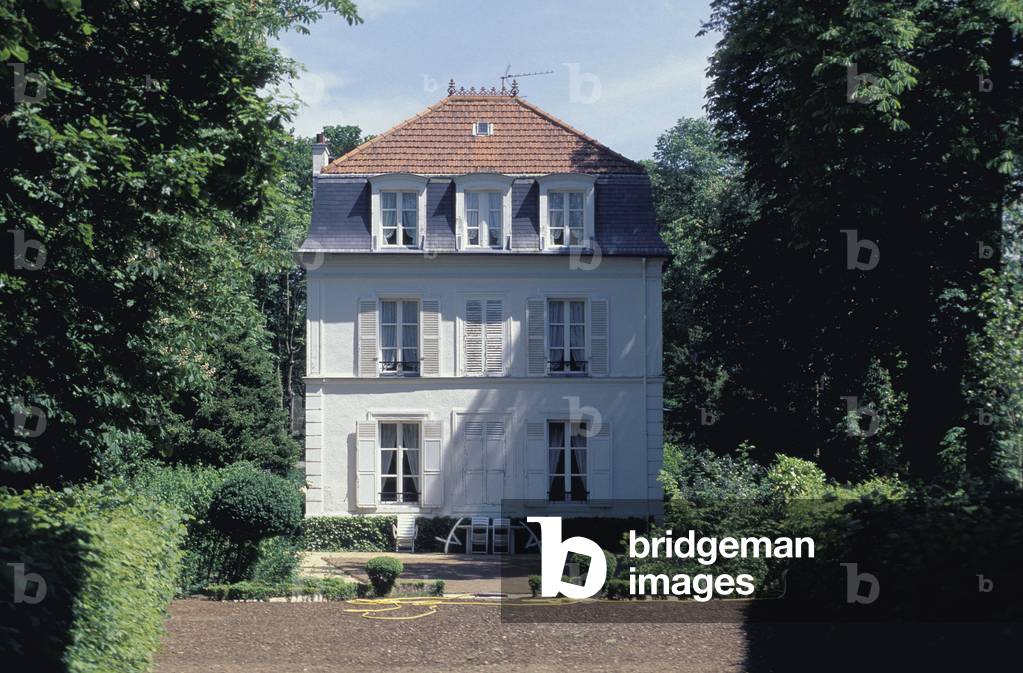
Detached house in the park of Maisons Laffite (Yvelines).

LBY4565659: Detached house in the park of Maisons Laffite (Yvelines). / Bridgeman Images
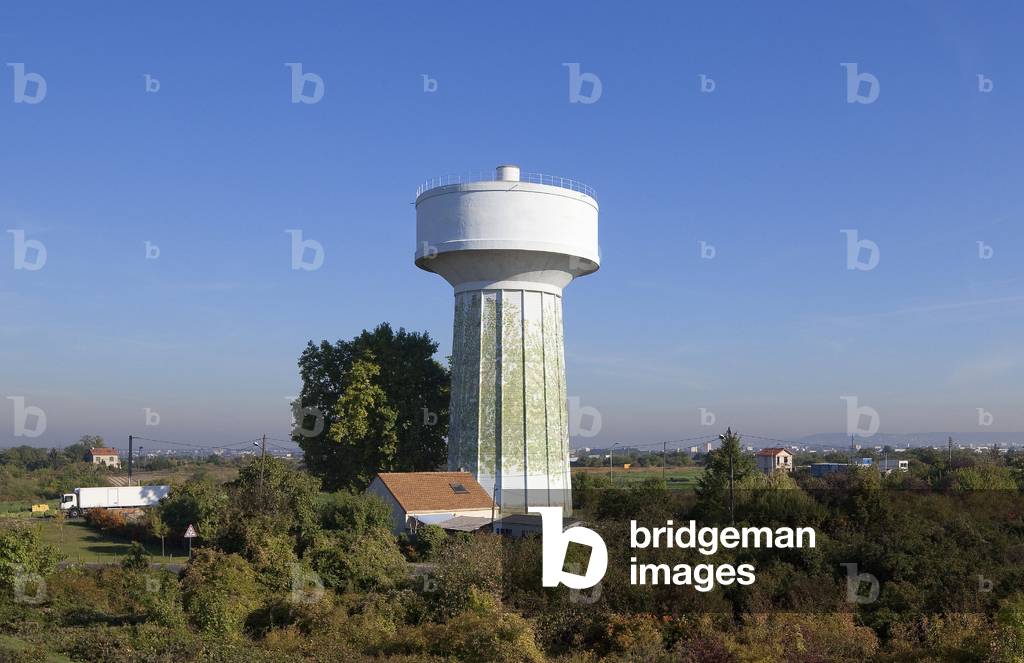
Le chateau d eau de Carrieres-sur-Seine dans les Yvelines Chateau d eau - Carrieres-sur-Seine - Les Yvelines - France -

LBY4565691: Le chateau d eau de Carrieres-sur-Seine dans les Yvelines Chateau d eau - Carrieres-sur-Seine - Les Yvelines - France - / Bridgeman Images
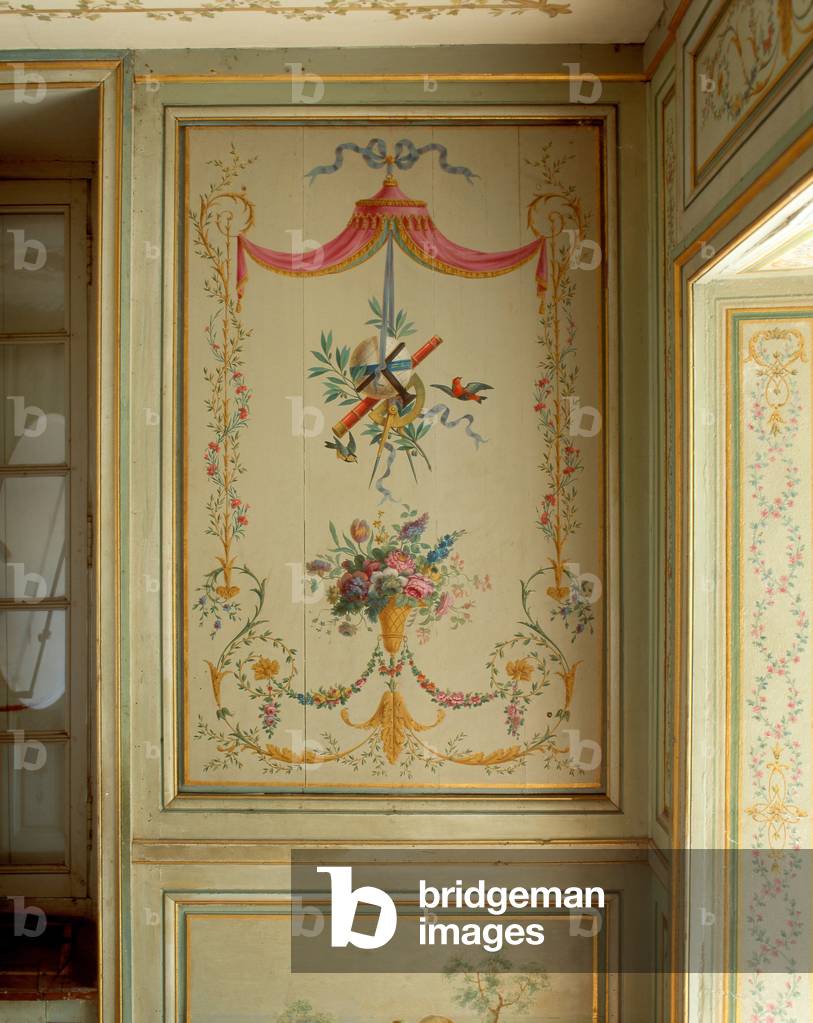
Detail of the interior decoration. Painting on wood with floral motifs. Chateau de Rambouillet (Les Yvelines).

ITR4565717: Detail of the interior decoration. Painting on wood with floral motifs. Chateau de Rambouillet (Les Yvelines). / Bridgeman Images
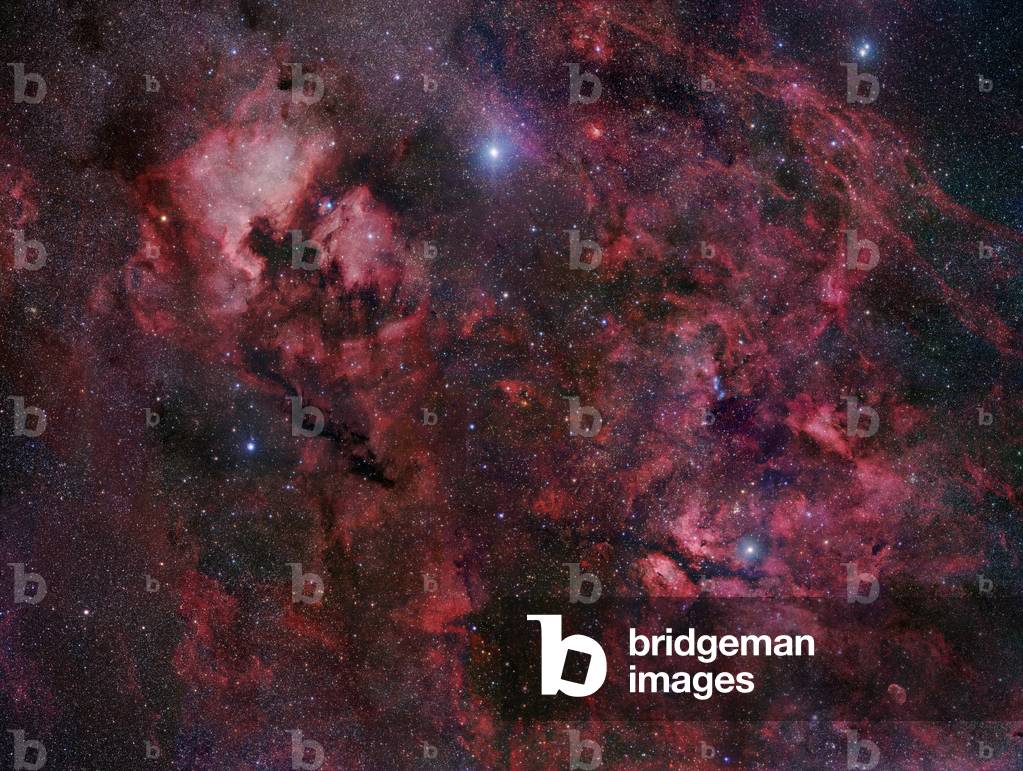
Region in the constellation of Swan with in the high center the supergiant star Deneb. Numerous clusters of stars and nebulae are visible. Mosaic of 20 images covering a field of 12 degrees - The 20 frame mosaic spans an impressive 12 degrees across the northern end of Cygnus constellation. Several star clusters and nebulas are visible. Top middle is the bright supergiant star Deneb: Mosaique de la région nord du Swan - Northern Cygnus mosaic

PIX4620458: Region in the constellation of Swan with in the high center the supergiant star Deneb. Numerous clusters of stars and nebulae are visible. Mosaic of 20 images covering a field of 12 degrees - The 20 frame mosaic spans an impressive 12 degrees across the northern end of Cygnus constellation. Several star clusters and nebulas are visible. Top middle is the bright supergiant star Deneb: Mosaique de la région nord du Swan - Northern Cygnus mosaic / Bridgeman Images
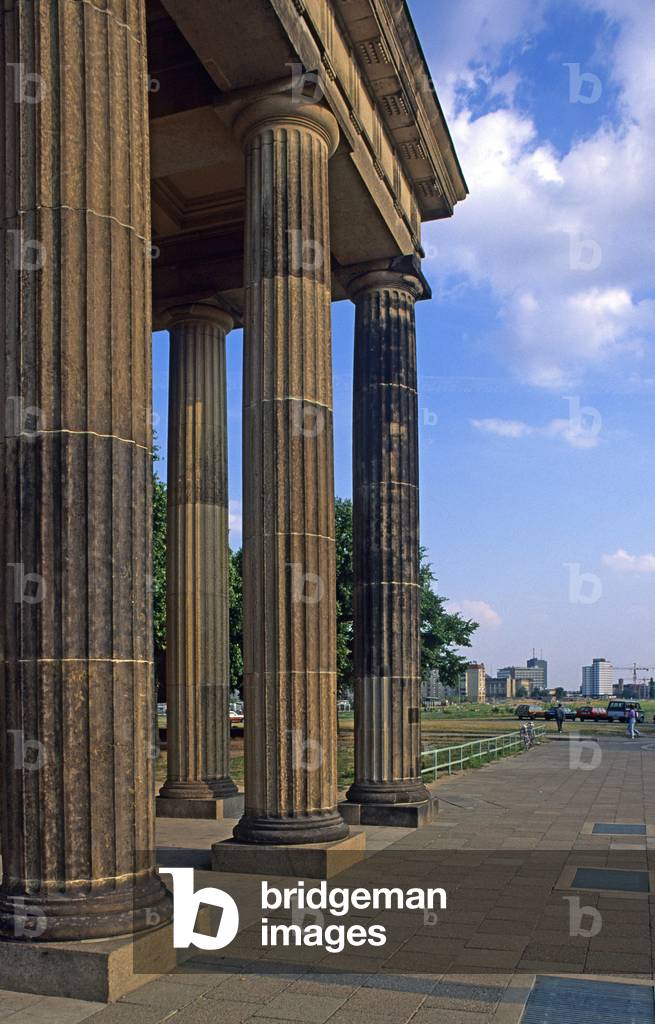
Brandenburg Gate, Mitte Quarter in Berlin (Germany). Construction 1788-1791, architect Carl Gotthard Langhans (1732-1808).

TEC4620474: Brandenburg Gate, Mitte Quarter in Berlin (Germany). Construction 1788-1791, architect Carl Gotthard Langhans (1732-1808). / Bridgeman Images
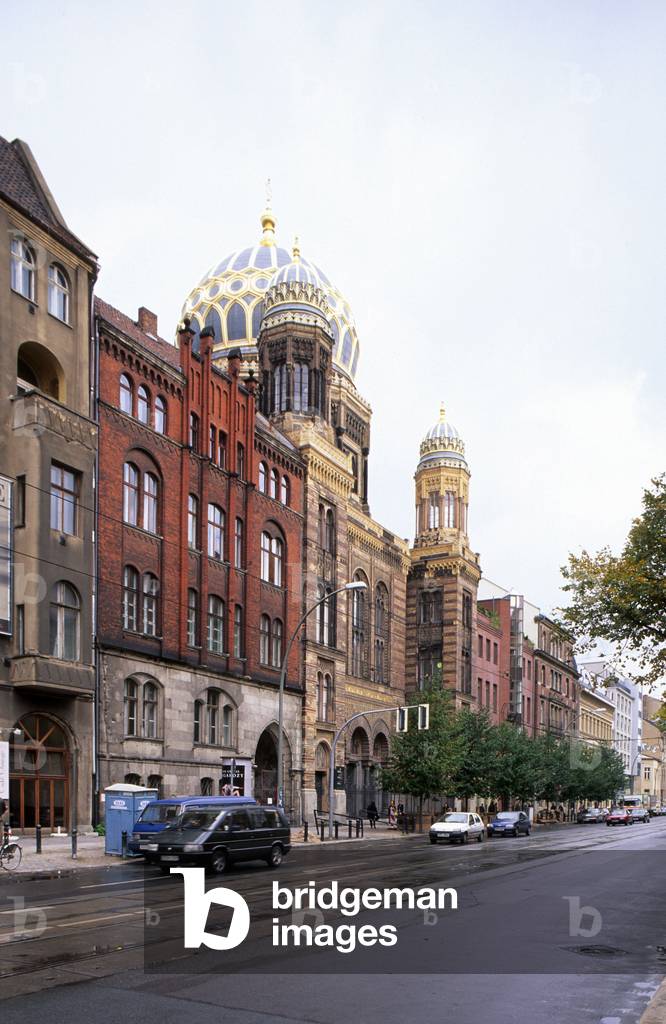
La Nouvelle Synagogue, 30 Oranienburger strasse, qaurtier Mitte in Berlin (Germany). Architects Eduard Knoblauch and Friedrich August Stuler, 1866, reconstruction Bernard Leisering, 1991. Photography 15/10/99.

LBY4620646: La Nouvelle Synagogue, 30 Oranienburger strasse, qaurtier Mitte in Berlin (Germany). Architects Eduard Knoblauch and Friedrich August Stuler, 1866, reconstruction Bernard Leisering, 1991. Photography 15/10/99. / Bridgeman Images

Nebula NGC 7635 in Cassiopee - The Bubble Nebula: This nebula is located about 8000 light years from Earth. A star 40 times more massive than our Sun, called Wolf-Rayet, is responsible for the formation of this bubble; it is the star BD+60* 2522. Image obtained by the space telescope Hubble - The Bubble Nebula, also known as NGC 7635, is an emission nebula located 8 000 light-years away - This complete view of the Bubble Nebula allows us to fully appreciate the almost perfectly symmetrical shell which gives the nebula its name. This shell is the result of a powerful flow of gas - known as a stellar wind - from the bright star visible just to the left of centre in this image. The star, SAO 20575, is between ten and twenty times the mass of the Sun and the pressure created by its stellar wind forces the surrounding interstellar material outwards into this bubble-like form - The giant molecular cloud that surrounds the star - glowing in the star's intense ultraviolet radiation - tries to stop the expansion of the bubble. However, although the sphere already measures around ten light-years in diameter, it is still growing, owing to the constant pressure of the stellar wind - currently at more than 100,000 kilometers per hour! - This stunning new image was observed by the NASA/ESA Hubble Space Telescope

PIX4620728: Nebula NGC 7635 in Cassiopee - The Bubble Nebula: This nebula is located about 8000 light years from Earth. A star 40 times more massive than our Sun, called Wolf-Rayet, is responsible for the formation of this bubble; it is the star BD+60* 2522. Image obtained by the space telescope Hubble - The Bubble Nebula, also known as NGC 7635, is an emission nebula located 8 000 light-years away - This complete view of the Bubble Nebula allows us to fully appreciate the almost perfectly symmetrical shell which gives the nebula its name. This shell is the result of a powerful flow of gas - known as a stellar wind - from the bright star visible just to the left of centre in this image. The star, SAO 20575, is between ten and twenty times the mass of the Sun and the pressure created by its stellar wind forces the surrounding interstellar material outwards into this bubble-like form - The giant molecular cloud that surrounds the star - glowing in the star's intense ultraviolet radiation - tries to stop the expansion of the bubble. However, although the sphere already measures around ten light-years in diameter, it is still growing, owing to the constant pressure of the stellar wind - currently at more than 100,000 kilometers per hour! - This stunning new image was observed by the NASA/ESA Hubble Space Telescope / Bridgeman Images

Nebula N119 in the Great Magellan Cloud - N119 is a “” H II region”” in the LMC

PIX4620774: Nebula N119 in the Great Magellan Cloud - N119 is a “” H II region”” in the LMC / Bridgeman Images

Nebula N44 in the Large Magellan Cloud - Superbubble LHA 120 - N 44 in the Large Magellanic Cloud - This image obtained by the Very Large Telescope (VLT) shows the nebula N44 surrounding the cluster of stars NGC 1929. It is a star-forming region located in the galaxy of the Great Magellan Cloud, about 170,000 light years from Earth. Eso's Very Large Telescope captured this striking view of the nebula around the star cluster NGC 1929 within the Large Magellanic Cloud, a satellite galaxy of our own Milky Way. A colossal example of what astronomers call a superbubble dominates this stellar nursery. It is being carved by the winds from bright young stars and the shockwaves from supernova explosions. This nebula is officially known as LHA 120 - N 44, or just N 44 for short. Hot young stars in NGC 1929 are emitting intense ultraviolet light and causing the gas to glow. This effect highlights the aptly - named superbubble, a vast shell of material around 325 by 250 light - years across. For comparison, the nearest star to our Sun is just over four light - years distant. The N 44 superbubble has been produced by the combination of two processes. Firstly, stellar winds - - streams of charged particles from the very hot and massive stars in the central cluster - - cleared out the central region. Then massive cluster stars exploded as supernovae creating shockwaves and pushing the gas out further to form the glowing bubble. Although the superbubble is shaped by destructive forces, new stars are forming around the edges where the gas is being compressed. Like recycling on a cosmic scale, this next generation of stars will breathe fresh life into NGC 1929

PIX4620802: Nebula N44 in the Large Magellan Cloud - Superbubble LHA 120 - N 44 in the Large Magellanic Cloud - This image obtained by the Very Large Telescope (VLT) shows the nebula N44 surrounding the cluster of stars NGC 1929. It is a star-forming region located in the galaxy of the Great Magellan Cloud, about 170,000 light years from Earth. Eso's Very Large Telescope captured this striking view of the nebula around the star cluster NGC 1929 within the Large Magellanic Cloud, a satellite galaxy of our own Milky Way. A colossal example of what astronomers call a superbubble dominates this stellar nursery. It is being carved by the winds from bright young stars and the shockwaves from supernova explosions. This nebula is officially known as LHA 120 - N 44, or just N 44 for short. Hot young stars in NGC 1929 are emitting intense ultraviolet light and causing the gas to glow. This effect highlights the aptly - named superbubble, a vast shell of material around 325 by 250 light - years across. For comparison, the nearest star to our Sun is just over four light - years distant. The N 44 superbubble has been produced by the combination of two processes. Firstly, stellar winds - - streams of charged particles from the very hot and massive stars in the central cluster - - cleared out the central region. Then massive cluster stars exploded as supernovae creating shockwaves and pushing the gas out further to form the glowing bubble. Although the superbubble is shaped by destructive forces, new stars are forming around the edges where the gas is being compressed. Like recycling on a cosmic scale, this next generation of stars will breathe fresh life into NGC 1929 / Bridgeman Images

Dark nebula and globular cluster NGC 4372 - Dark nebula and globular cluster NGC 4372 - HMSTG 436 is a molecular cloud visible near the globular cluster NGC 4372 (on the right, above the bright star Gamma Musca) in the southern constellation of the Fly. HMSTG 436 is a linear molecular cloud in the southern constellation Musca, the fly. It is easily found by targeting the globular cluster NGC 4372, visible at right, above the bright star gamma Musca

PIX4621162: Dark nebula and globular cluster NGC 4372 - Dark nebula and globular cluster NGC 4372 - HMSTG 436 is a molecular cloud visible near the globular cluster NGC 4372 (on the right, above the bright star Gamma Musca) in the southern constellation of the Fly. HMSTG 436 is a linear molecular cloud in the southern constellation Musca, the fly. It is easily found by targeting the globular cluster NGC 4372, visible at right, above the bright star gamma Musca / Bridgeman Images
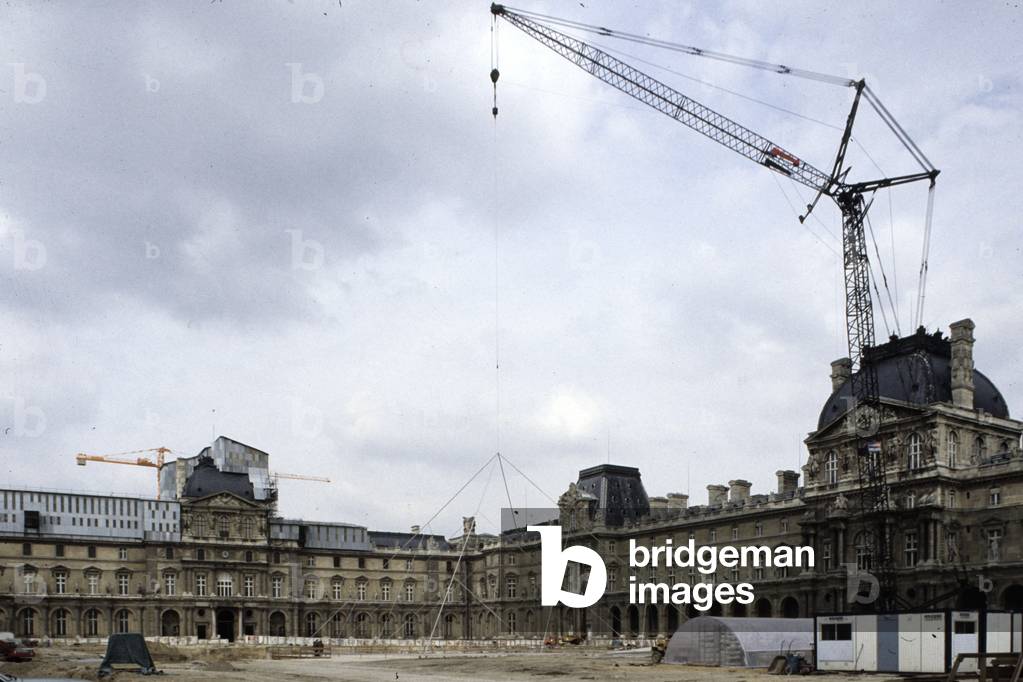
Construction of the Pyramid du Louvre in Paris. Architect Ieoh Ming Pei. Photography 10/11/85.

TEC4597387: Construction of the Pyramid du Louvre in Paris. Architect Ieoh Ming Pei. Photography 10/11/85. / Bridgeman Images

Graphic effect
Graphic effect

TEC4558848: Graphic effect / Bridgeman Images

Apollo 16: C. Duke on the Moon - Apollo 16: Charles Duke near Lunar Roving Vehicle (LRV) - Charles Duke near the lunar jeep. 22/04/1972. Astronaut Charles M. Duke Jr., lunar module pilot of the Apollo 16 lunar landing mission, stands near the Lunar Roving Vehicle at Station no. 4, near Stone Mountain, during the second Apollo 16 extravehicular activity (EVA - 2) at the Descartes landing site. Light rays from South Ray crater can be seen at upper left. The gnomon, which is used as a photographic reference to establish local vertical Sun angle, scale, and lunar color, is deployed in the center foreground. Note angularity of rocks in the area

PIX4597490: Apollo 16: C. Duke on the Moon - Apollo 16: Charles Duke near Lunar Roving Vehicle (LRV) - Charles Duke near the lunar jeep. 22/04/1972. Astronaut Charles M. Duke Jr., lunar module pilot of the Apollo 16 lunar landing mission, stands near the Lunar Roving Vehicle at Station no. 4, near Stone Mountain, during the second Apollo 16 extravehicular activity (EVA - 2) at the Descartes landing site. Light rays from South Ray crater can be seen at upper left. The gnomon, which is used as a photographic reference to establish local vertical Sun angle, scale, and lunar color, is deployed in the center foreground. Note angularity of rocks in the area / Bridgeman Images
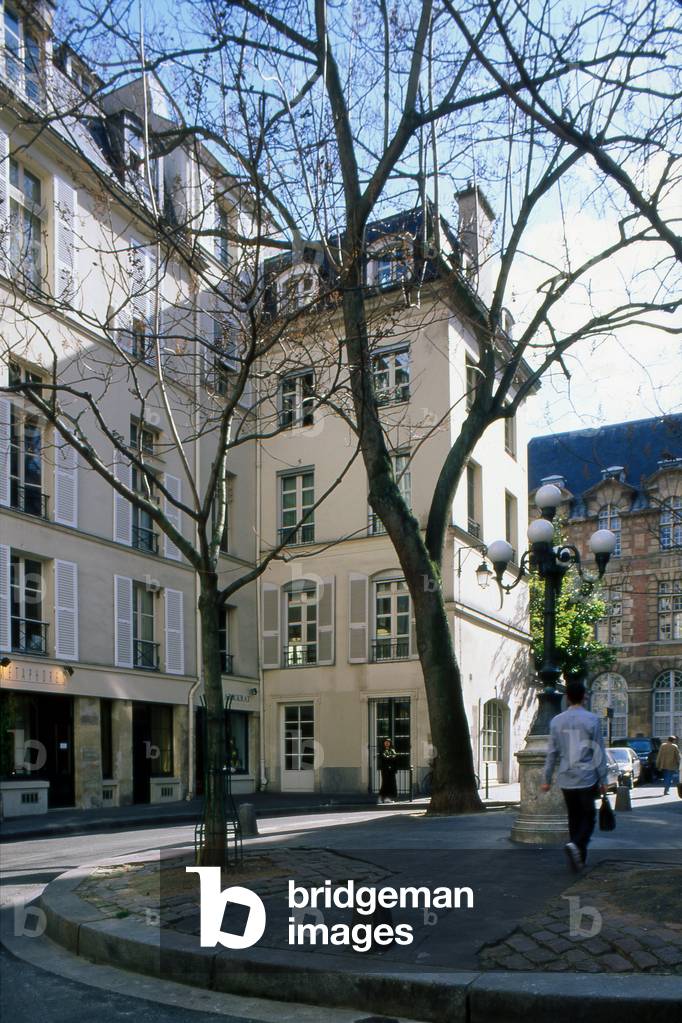
Place Furstenberg, Paris 6th arrondisssement.

TEC4597512: Place Furstenberg, Paris 6th arrondisssement. / Bridgeman Images
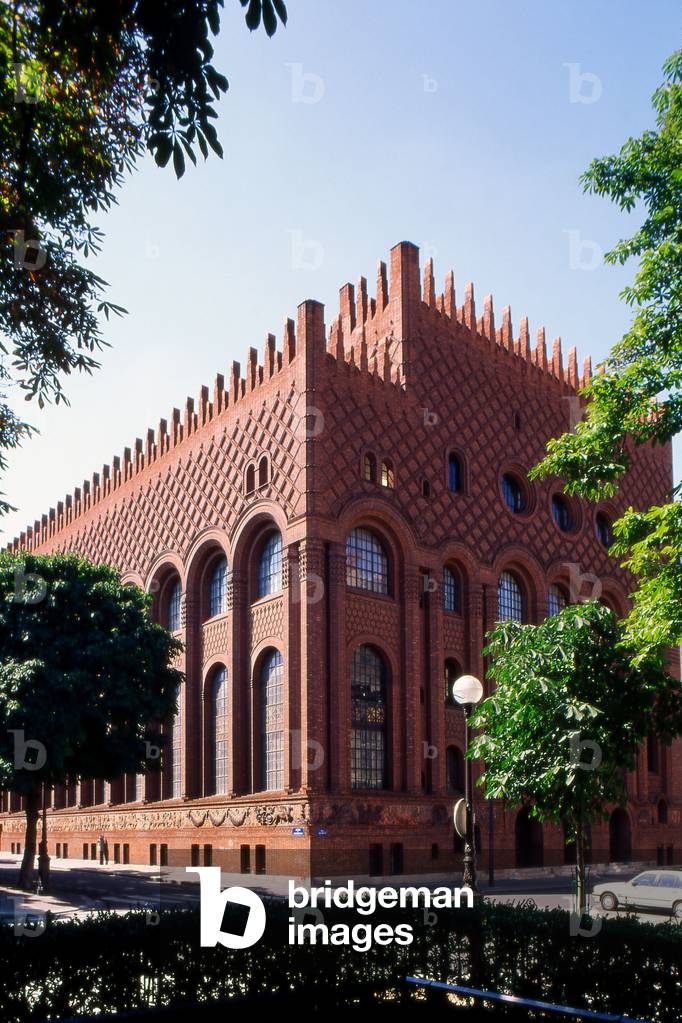
The institute of art and archeology, 3 rue Michelet, Paris 6th arrondissement, hosts the universites of Paris 1 and Paris 4, was built in 1927 by Paul Bigot (1870-1942) in Moorish style.

TEC4597552: The institute of art and archeology, 3 rue Michelet, Paris 6th arrondissement, hosts the universites of Paris 1 and Paris 4, was built in 1927 by Paul Bigot (1870-1942) in Moorish style. / Bridgeman Images
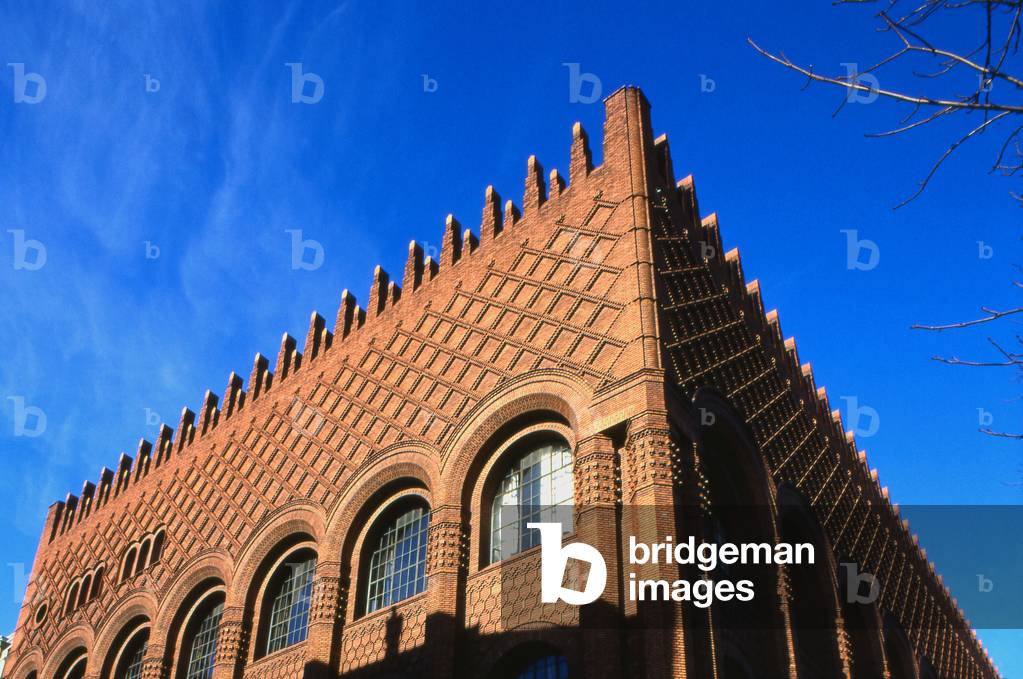
The institute of art and archeology, 3 rue Michelet, Paris 6th arrondissement, hosts the universites of Paris 1 and Paris 4, was built in 1927 by Paul Bigot (1870-1942) in Moorish style.

TEC4597569: The institute of art and archeology, 3 rue Michelet, Paris 6th arrondissement, hosts the universites of Paris 1 and Paris 4, was built in 1927 by Paul Bigot (1870-1942) in Moorish style. / Bridgeman Images
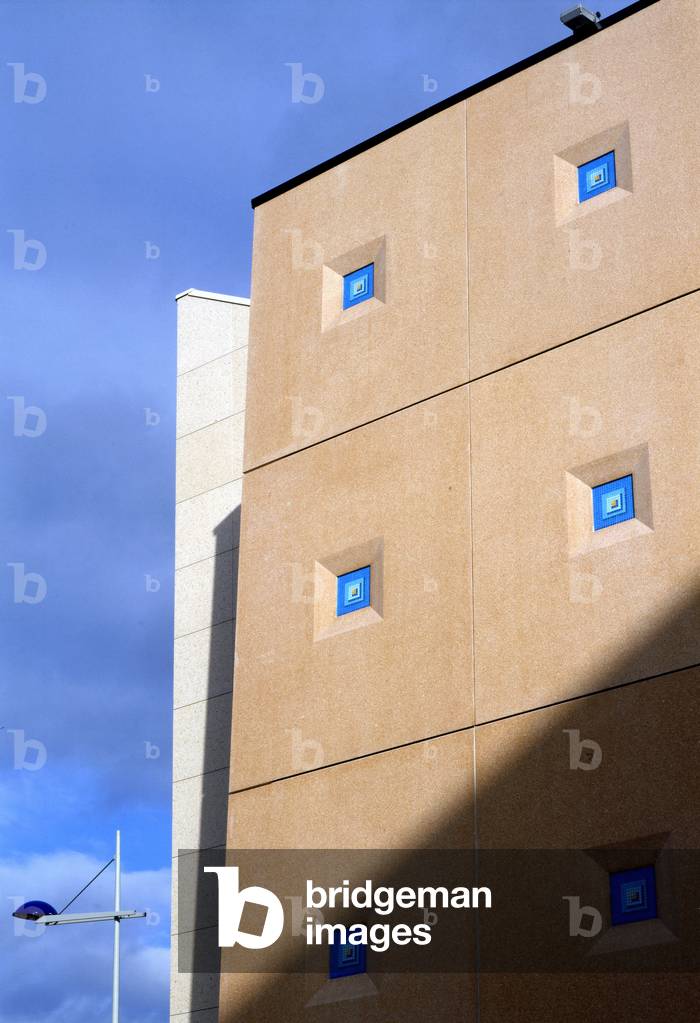
Detail of the concrete facade of the polyvalent lycee of Strasbourg, Bas Rhin (Bas-Rhin), Alsace, France.

OMG4559005: Detail of the concrete facade of the polyvalent lycee of Strasbourg, Bas Rhin (Bas-Rhin), Alsace, France. / Bridgeman Images
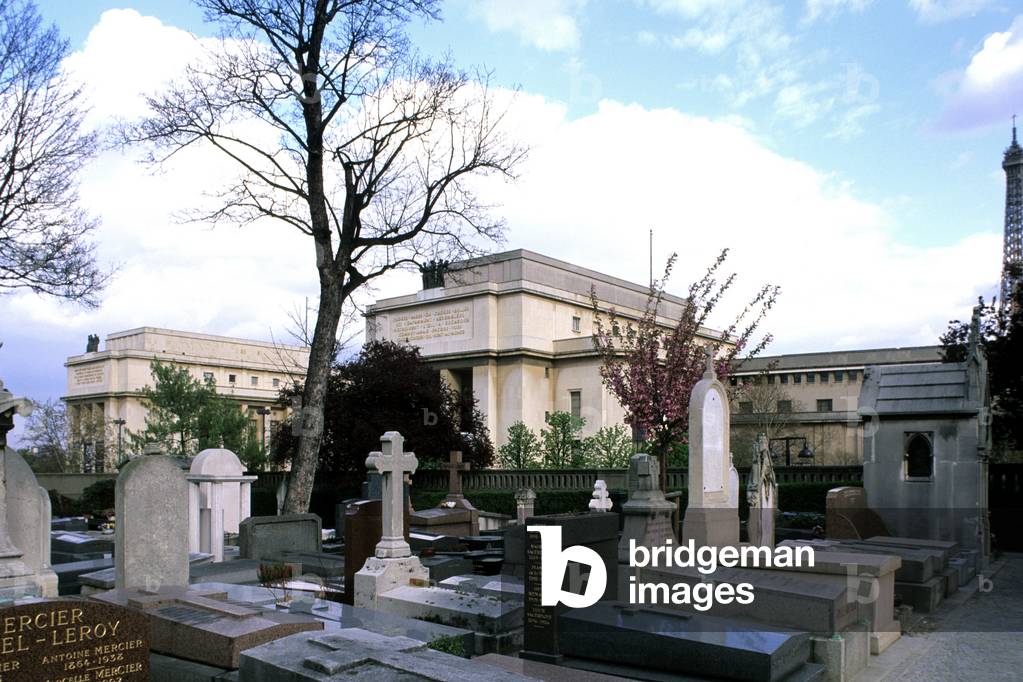
Passy cemetery in Paris.

TEC4623953: Passy cemetery in Paris. / Bridgeman Images
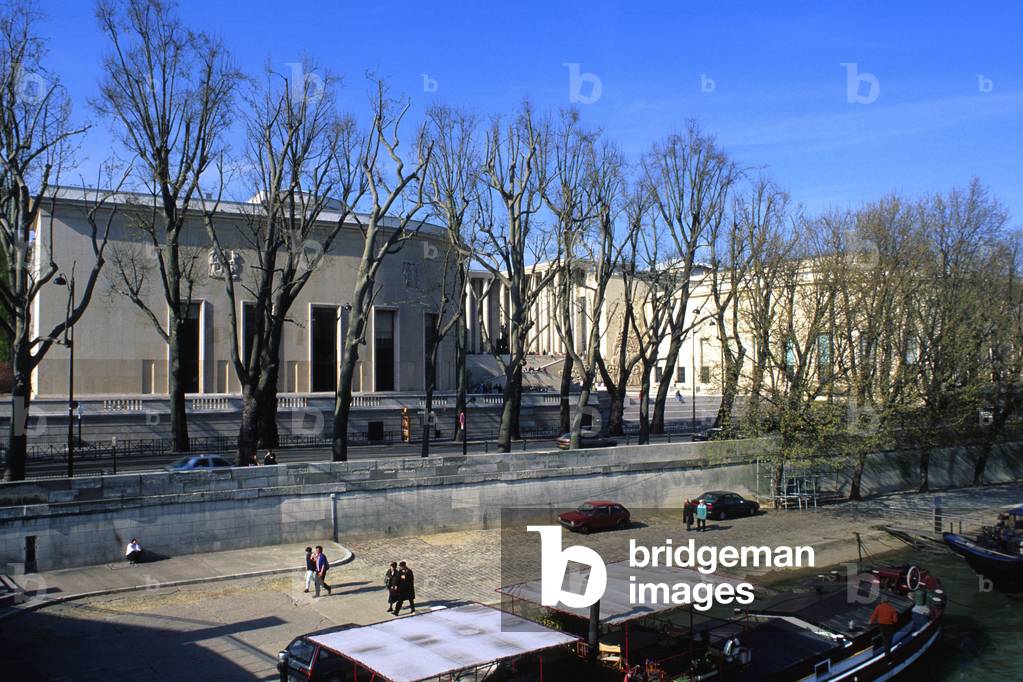
The Palais de Tokyo seen from the Seine in Paris. Architects: Andre Aubert, Paul Viard, Jean Claude Dondel and Marcel Dastugue, 1937. Built for the 1937 World Exhibition, the International Exhibition of Arts and Techniques in the Modern City. The Palais de Tokyo is a small part of the Luxembourg Museum and the Peute Palais too narrow to accommodate municipal collections. It owes its name to the Tokyo wharf, now New York Avenue.

TEC4623957: The Palais de Tokyo seen from the Seine in Paris. Architects: Andre Aubert, Paul Viard, Jean Claude Dondel and Marcel Dastugue, 1937. Built for the 1937 World Exhibition, the International Exhibition of Arts and Techniques in the Modern City. The Palais de Tokyo is a small part of the Luxembourg Museum and the Peute Palais too narrow to accommodate municipal collections. It owes its name to the Tokyo wharf, now New York Avenue. / Bridgeman Images
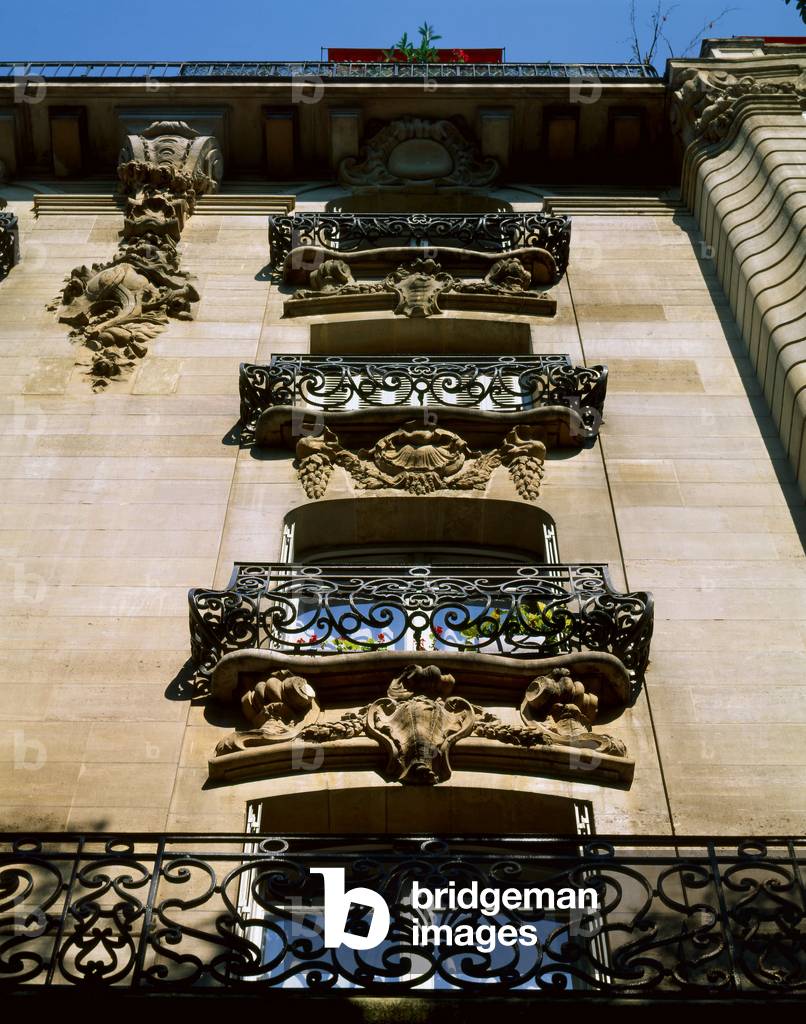
Housing building, Paris 16th.

TEC4624117: Housing building, Paris 16th. / Bridgeman Images

Pluto seen by the New Horizons probe - Pluto seen by New Horizons - Pluto seen by the New Horizons probe on July 7, 2015 at a distance of 8 million km from the dwarf planet. In the early morning hours of July 8, 2015, mission scientists received this new view of Pluto - - the most detailed yet returned by the Long Range Reconnaissance Imager (LORRI) aboard New Horizons. The image was taken on July 7, when the NASA spacecraft was just under 5 million miles (8 million kilometers) from Pluto, and is the first to be received since the July 4 anomaly that sent the spacecraft into safe mode. This view is centered roughly on the area that will be seen close - up during New Horizons' July 14 closest approach. This side of Pluto is dominated by three broad regions of varying brightness. Most prominent are an elongated dark feature at the equator, informally known as “” the whale,”” and a large heart - shaped bright area measuring some 1,200 miles (2,000 kilometers) across on the right. Above those features is a polar region that is intermediate in brightness

PIX4624339: Pluto seen by the New Horizons probe - Pluto seen by New Horizons - Pluto seen by the New Horizons probe on July 7, 2015 at a distance of 8 million km from the dwarf planet. In the early morning hours of July 8, 2015, mission scientists received this new view of Pluto - - the most detailed yet returned by the Long Range Reconnaissance Imager (LORRI) aboard New Horizons. The image was taken on July 7, when the NASA spacecraft was just under 5 million miles (8 million kilometers) from Pluto, and is the first to be received since the July 4 anomaly that sent the spacecraft into safe mode. This view is centered roughly on the area that will be seen close - up during New Horizons' July 14 closest approach. This side of Pluto is dominated by three broad regions of varying brightness. Most prominent are an elongated dark feature at the equator, informally known as “” the whale,”” and a large heart - shaped bright area measuring some 1,200 miles (2,000 kilometers) across on the right. Above those features is a polar region that is intermediate in brightness / Bridgeman Images
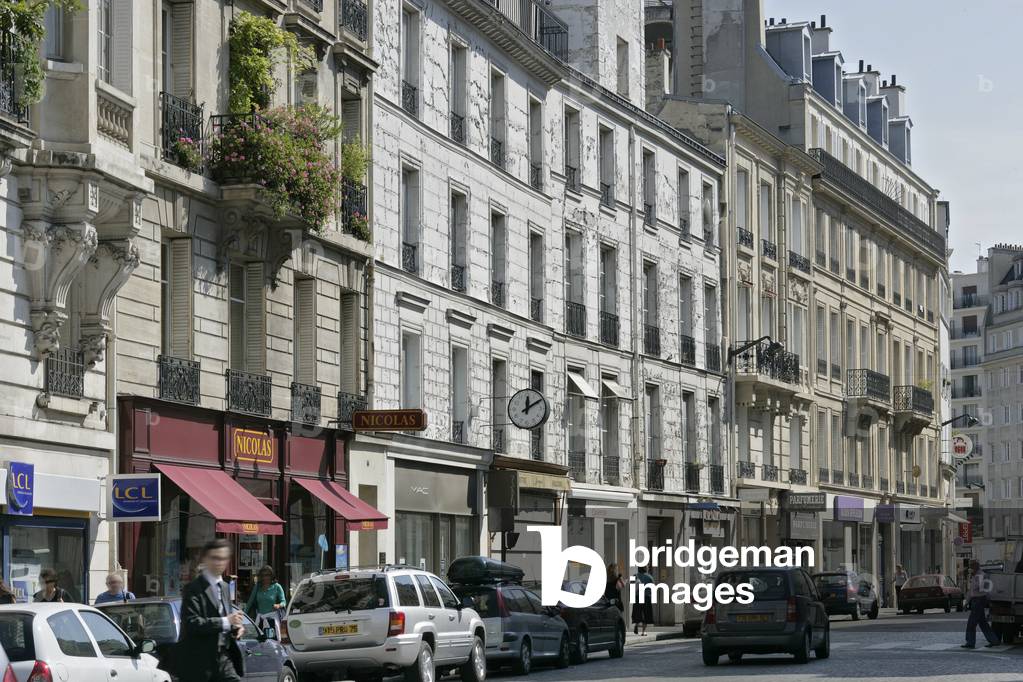
La rue de Passy in Paris 16th.

TEC4624374: La rue de Passy in Paris 16th. / Bridgeman Images
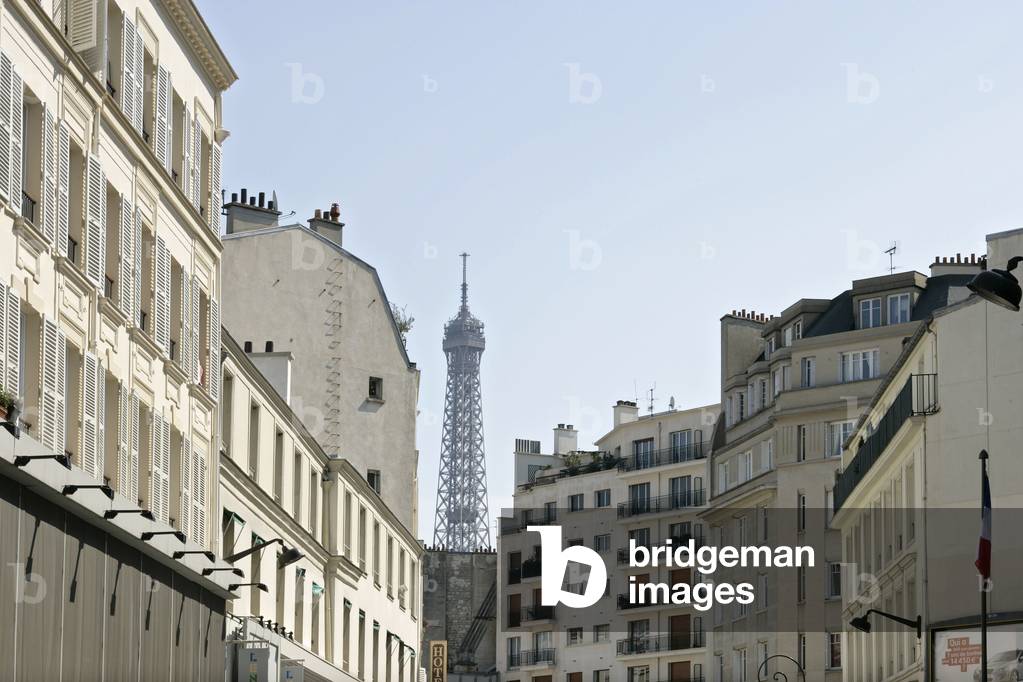
La rue de Passy in Paris 16th.

TEC4624380: La rue de Passy in Paris 16th. / Bridgeman Images
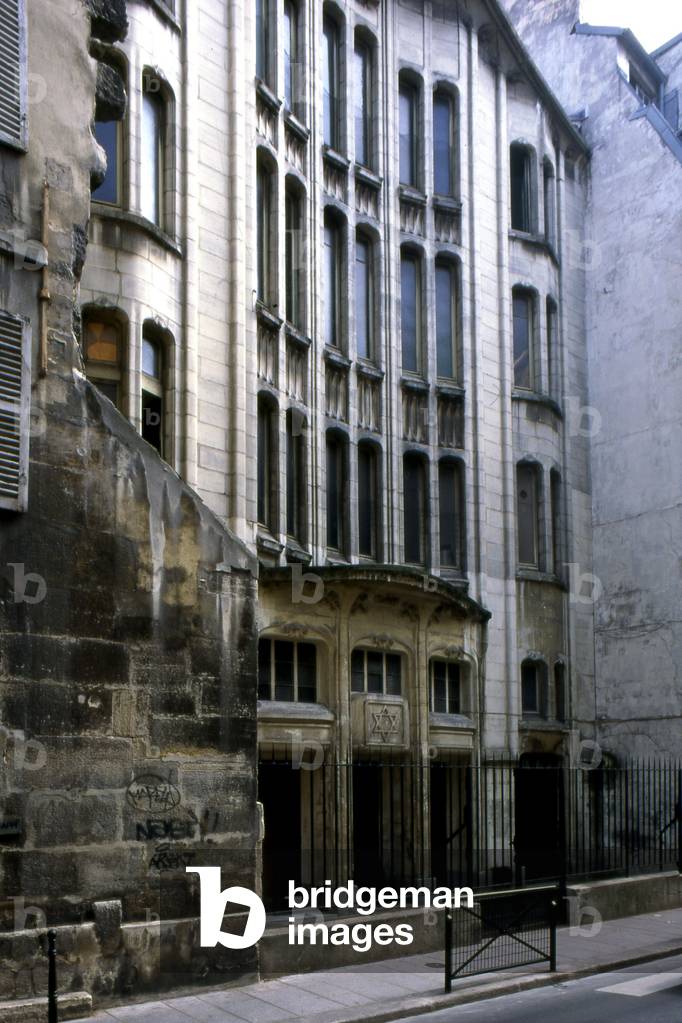
La synagogue, Rue Pavee, Paris 4th arrondissement. Construction 1913, architect Hector Guimard (1867-1942).

TEC4600828: La synagogue, Rue Pavee, Paris 4th arrondissement. Construction 1913, architect Hector Guimard (1867-1942). / Bridgeman Images

P. Perrin in Destiny 06/02 - Philippe Perrin near the Microgravity Science Glovebox in Destiny. ISS STS-111. June 2002

PIX4600880: P. Perrin in Destiny 06/02 - Philippe Perrin near the Microgravity Science Glovebox in Destiny. ISS STS-111. June 2002 / Bridgeman Images
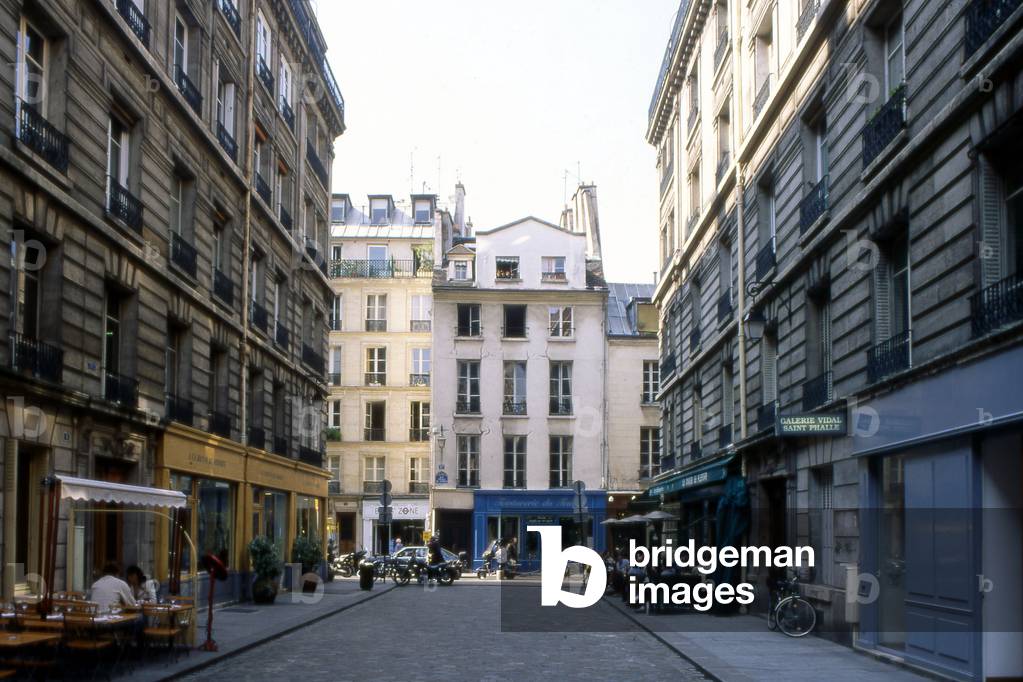
Rue du Tresor and Rue Vieille du Temple in Paris.

TEC4600971: Rue du Tresor and Rue Vieille du Temple in Paris. / Bridgeman Images
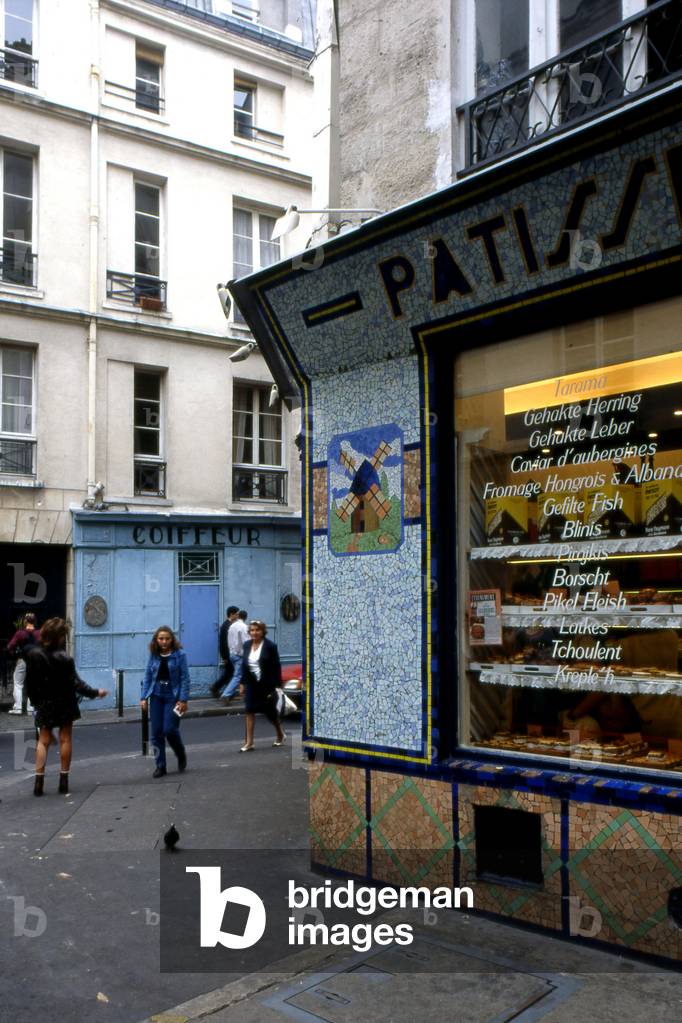
Trade in Paris.
Trade in Paris.

TEC4601009: Trade in Paris. / Bridgeman Images
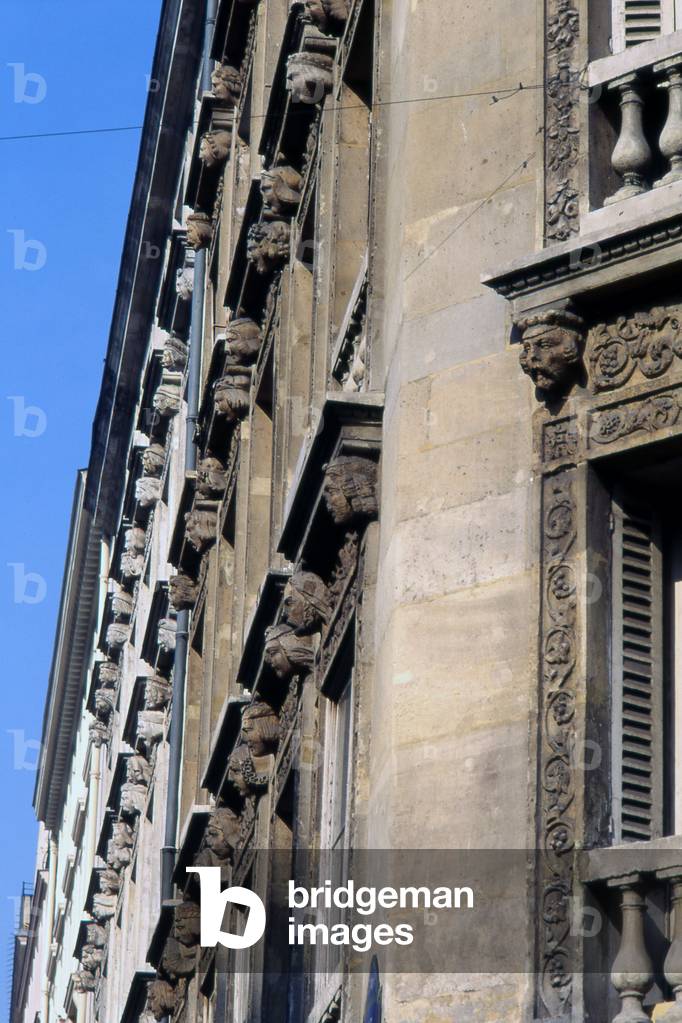
A 19th century building in Paris 4th arrondisement.

TEC4601051: A 19th century building in Paris 4th arrondisement. / Bridgeman Images

K. Bowersox in Destiny 02/2003 - K. Bowersox in Destiny 02/2003 - Kenneth D. Bowersox photographs a point of the Earth from the window of Destiny. ISS Expedition 6. 14/02/2003

PIX4601148: K. Bowersox in Destiny 02/2003 - K. Bowersox in Destiny 02/2003 - Kenneth D. Bowersox photographs a point of the Earth from the window of Destiny. ISS Expedition 6. 14/02/2003 / Bridgeman Images

Food on board the International Space Station. - Food on board the International Space Station

PIX4601166: Food on board the International Space Station. - Food on board the International Space Station / Bridgeman Images

ISS. Edward Lu 10/03 - Edward Lu, playing music on a keyboard, in Destiny. 26/10/2003

PIX4601185: ISS. Edward Lu 10/03 - Edward Lu, playing music on a keyboard, in Destiny. 26/10/2003 / Bridgeman Images


Back to top