2491632 Search Results

FLO4708525: Knight of the Order of Constantine. The Order was first founded in 343 BC by the Roman Emperor Constantine, but received its official rules and statutes in 1190 by Isaac Ange Comnene (1155-1204), Emperor of Constantinople, the Order was also known as the Order of the Angelics, the Order of the Dory Knights or the Constantine militia of Saint George. It consisted of three rows for its members: Grand Cross, knight and brother serving; The insignia of the order is a red cross made of four flowers of lilies, surrounded by a golden border. Hand-coloured copper engraving, in “Images historiques des costumes des principaux peuples de l'Antiquite et du Middle Ages” by Robert Von Spalart, published in 1796. / Bridgeman Images

FLO4708168: Norman infantry: infantry with spear and shield, saddler and two crossbaletriers carrying armor or chest. Hand-coloured copper engraving, in “Images historiques des costumes des principaux peuples de l'Antiquite et du Middle Ages” by Robert Von Spalart, published in 1796. / Bridgeman Images

MME4708195: Portrait of composer and poet John Cage, 1982., Mencarini, Marcello / Bridgeman Images

FLO4708268: Knights fighting on horseback, sword duel during a tournament. Both are armed with their sword and shield, but without a helm, the most dangerous battle in a tournament. Hand-coloured copper engraving, in “Images historiques des costumes des principaux peuples de l'Antiquite et du Middle Ages” by Robert Von Spalart, published in 1796. / Bridgeman Images

FLO4708503: Knight of the Order of Aviz, in ceremonial dress. A Portuguese military religious order, after the conquest of Aviz (Portugal), a military fortress was built and became the mother house of the order, who first called themselves the Knights of St. Benedict d'Aviz until they adopted the Benedictine rule in 1162. They were subject to the rules and the Cistercian costume, wearing a white coat and a green lysee flower cross, although this illustration clearly shows a red Cistercian cross on the chest of his coat. Hand-coloured copper engraving, in “Images historiques des costumes des principaux peuples de l'Antiquite et du Middle Ages” by Robert Von Spalart, published in 1796. / Bridgeman Images

FLO4708528: Knight of the Order of St. Catherine and Knight of the Order of the Sword. The Order of St. Catherine was founded by the Christian princes to protect the pelerins of Mount Sinai, who came to venerate the relics of St. Catherine, but also to protect them from desecration from the 11th to the 15th centuries. However, according to the Catholic encyclopedia, the knights of St. Catherine were not an order, nor secular, nor regal. The order of the Sword, or the sword-bearers, was a military order in order to prepare the crusade against the Prussian peers in the 13th century (uncarried out crusade). / Bridgeman Images

MME4708564: Portrait of American comedian and director John Cassavetes in 1984., Mencarini, Marcello / Bridgeman Images

MME4708591: Portrait of the writer Carlo Cassola in 1979., Mencarini, Marcello / Bridgeman Images

MME4708744: Panoramic view of the archeological site of Ostia antica (Ostia), ancient port of ancient Rome. Italy, Mencarini, Marcello / Bridgeman Images

MME4708899: Panoramic view of the forum of Trajan (foro traiano), Rome Italy, Mencarini, Marcello / Bridgeman Images

MME4708656: Portrait of the French realizer Claude Chabrol in 1988., Mencarini, Marcello / Bridgeman Images

MME4709052: Panoramic view of the column of Marc Aurele (Marc-Aurele or Marco Aurelio) on Piazza Colonna, Rome, Mencarini, Marcello / Bridgeman Images

FLO4709200: Chrysoberyl cat's eye raw (partly polished)). Chromolithography, in Precious Stones and Gems by Edwin Streeter, published in London, England, by George Bell and Sons, 1892. / Bridgeman Images
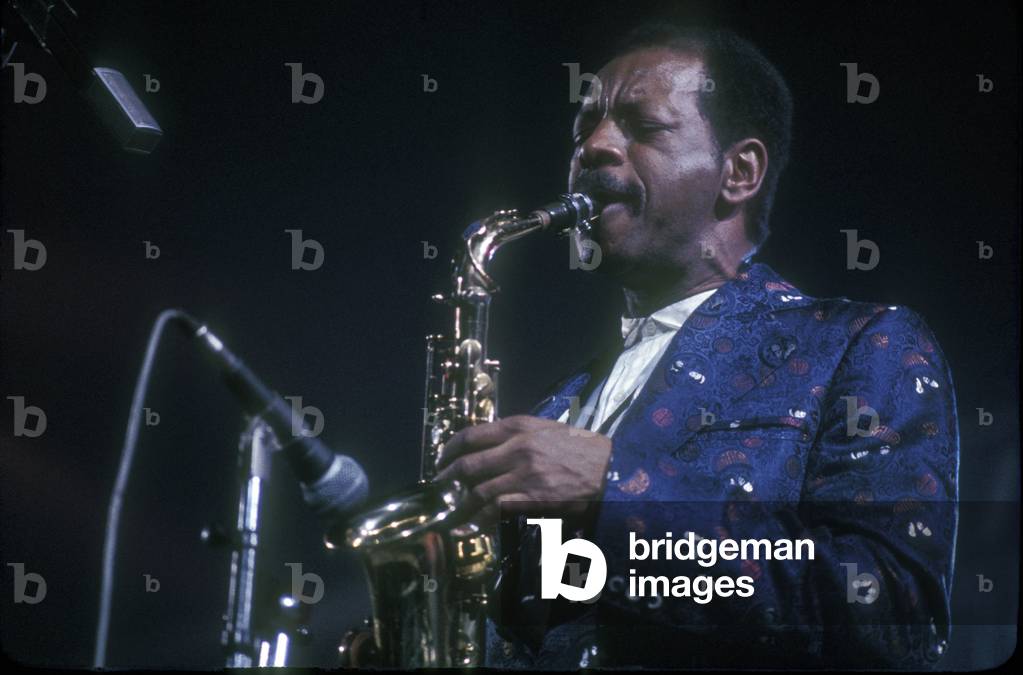
MME4709268: Jazz saxophonist Ornette Coleman on stage in 1980., Mencarini, Marcello / Bridgeman Images

FLO4709374: Gentlemen's watch in 18-carat gold case. Chromolithograph from Edwin Street's Gems Catalog, Bond Street, London, circa 1895. / Bridgeman Images

FLO4709395: Ladies' watch in 18-carat gold case. Chromolithograph from Edwin Street's Gems Catalog, Bond Street, London, circa 1895 / Bridgeman Images

FLO4709279: Diamond combs and head ornaments, wings, sword hilts, etc. Chromolithograph from Edwin Street's Gems Catalog, Bond Street, London, circa 1895. / Bridgeman Images
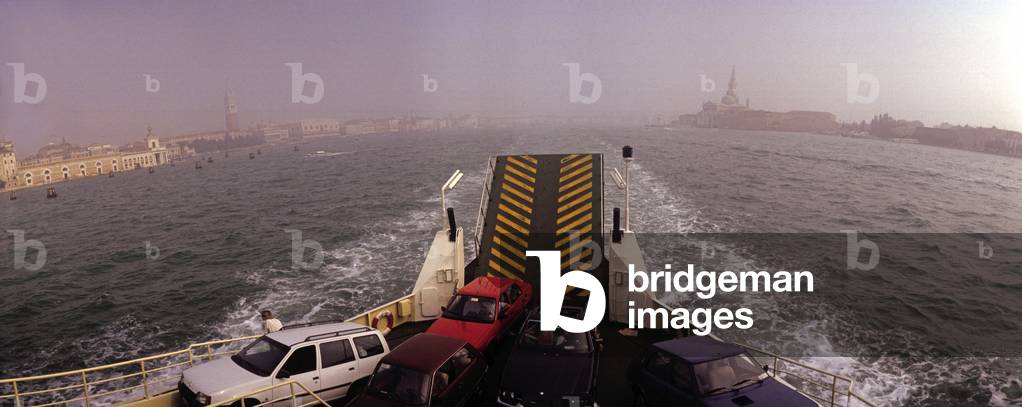
MME4709186: View of the basin of St. Mark (San Marco) from the traghetto (ferry), Venice. Italy Panoramic Photo, Mencarini, Marcello / Bridgeman Images

MME4705077: Portrait of the German composer Karlheinz Stockhausen, 1989., Mencarini, Marcello / Bridgeman Images

MME4705161: Portrait of Italian director Giorgio Strehler in 1979., Mencarini, Marcello / Bridgeman Images

FLO4705236: A young woman of Friesland. Handcolored copperplate engraving from Robert von Spalart's “” Historical Picture of the Costumes of the Peoples of Antiquity, the Middle Ages and the New Era,”” written by Leopold Ziegelhauser, Vienna, 1837 / Bridgeman Images

MME4705023: Portrait of the German composer Karlheinz Stockhausen, 1995., Mencarini, Marcello / Bridgeman Images

FLO4705332: Woman of Dalmatia. Handcolored copperplate engraving from Robert von Spalart's “” Historical Picture of the Costumes of the Peoples of Antiquity, the Middle Ages and the New Era,”” written by Leopold Ziegelhauser, Vienna, 1837 / Bridgeman Images

MME4705215: Portrait of Italian director Giorgio Strehler in 1979., Mencarini, Marcello / Bridgeman Images

MME4705501: Portrait of German comedian Horst Tappert (interpret by Inspector Derrick in the series of the same name), Mencarini, Marcello / Bridgeman Images

MME4705538: Portrait of British conductor Jeffrey Tate in 1995, Mencarini, Marcello / Bridgeman Images

FLO4705635: English standard-bearer in baggy long breeches 1588. Handcolored copperplate engraving from Robert von Spalart's “” Historical Picture of the Costumes of the Principal People of Antiquity and of the Middle Ages,”” Vienna, 1811. Illustration based on Thomas Jefferys Collection of Dresses of Different Nations, Antient and Modern. After the Designs of Holbein, Van Dyke, Hollar, and others, London, 1757. / Bridgeman Images

FLO4705866: Eccentric dress of a French count, 1399. Handcolored copperplate engraving from Robert von Spalart's “” Historical Picture of the Costumes of the Principal People of Antiquity and of the Middle Ages,”” Vienna, 1811. Illustration based on Thomas Jefferys Collection of Dresses of Different Nations, Antient and Modern. After the Designs of Holbein, Van Dyke, Hollar, and others, London, 1757. / Bridgeman Images

MME4705423: Spanish artist Antoni Tapies in Venice in 1993., Mencarini, Marcello / Bridgeman Images

FLO4705483: Swiss army officer, 1588. Handcolored copperplate engraving from Robert von Spalart's “” Historical Picture of the Costumes of the Principal People of Antiquity and of the Middle Ages,”” Vienna, 1811. Illustration based on Thomas Jefferys Collection of Dresses of Different Nations, Antient and Modern. After the Designs of Holbein, Van Dyke, Hollar, and others, London, 1757. / Bridgeman Images

MME4705511: Portrait of German comedian Horst Tappert (interpreter of Inspector Derrick in the series of the same name) posing with two gendarmes., Mencarini, Marcello / Bridgeman Images

MME4705753: Portrait of jazz trumpeter Luigi Toth., Mencarini, Marcello / Bridgeman Images

FLO4705622: Woman of Bayern, 1581, and a German army captain, 1588. Handcolored copperplate engraving from Robert von Spalart's “” Historical Picture of the Costumes of the Principal People of Antiquity and of the Middle Ages,”” Vienna, 1811. Illustration based on Thomas Jefferys Collection of Dresses of Different Nations, Antient and Modern. After the Designs of Holbein, Van Dyke, Hollar, and others, London, 1757. / Bridgeman Images
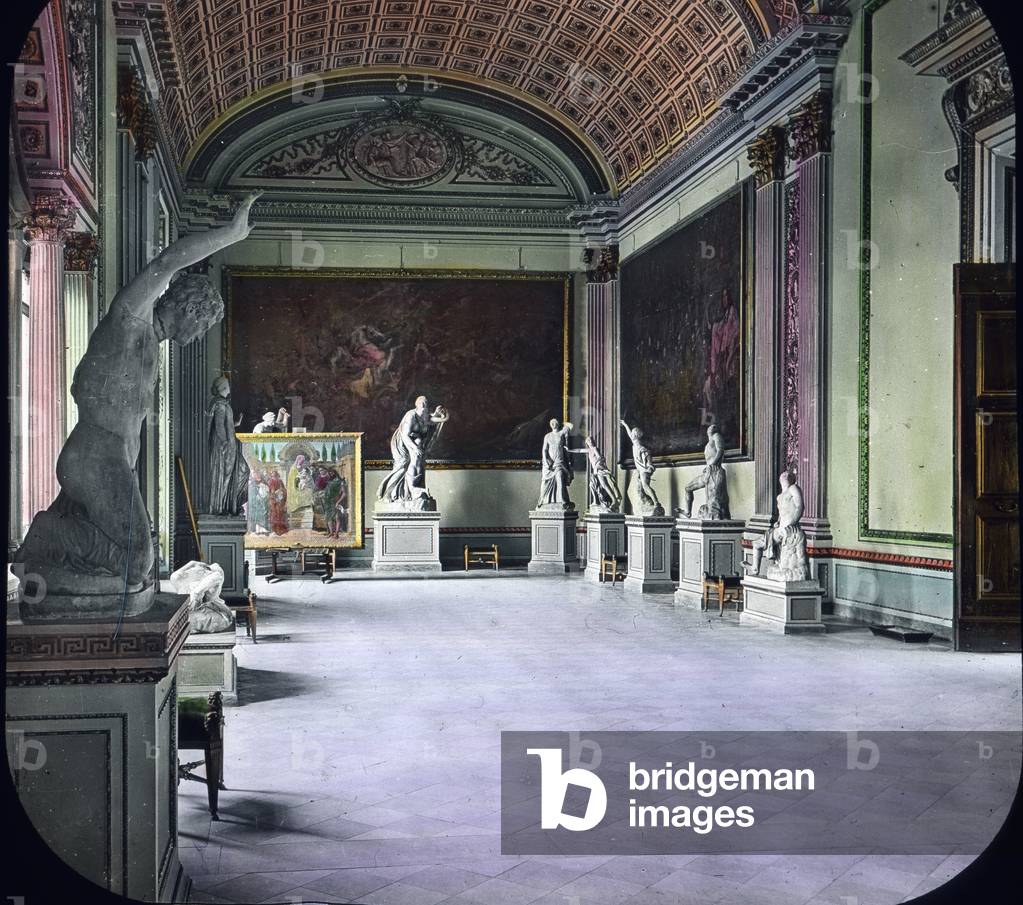
UTD4705845: Italy, Florence, Uffizi Gallery, Niobiden hall, image date: circa 1910. Carl Simon Archive, Simon, Carl (1873-1952) / Bridgeman Images

MME4705723: Jazz pianist McCoy Tiner in concert in 1995., Mencarini, Marcello / Bridgeman Images

MME4705880: Portrait of American composer David Tudor around 1980., Mencarini, Marcello / Bridgeman Images
