2490904 Search Results

MPX5162134: Children from Newbold Grange High School, Rugby, get an actors view of the auditorium during a visit to the Belgrade Theatre, Coventry, 2nd May 1963. They heard a talk on the theatre and were shown round by David Forder, assistant to the director, seen here pointing out details from the stage. / Bridgeman Images

MPX5162087: Priscilla Presley, Chairwoman of Elvis Presley Enterprises, pictured at news press conference to promote Elvis Presley Showtime TV Special, Memphis, Tennessee, USA, 4th January 1985. / Bridgeman Images

MPX5161956: Arthur Robert Ashe Jr, Wimbledon, July 1975 / Bridgeman Images

MPX5162108: 18 year old Eleanor Gunter is an equilibrist, an acrobat who performs balancing feats. Balancing on one hand using a telephone. She's in the UK to appear at the Glasgow Empire theatre, 1st September 1957. / Bridgeman Images

MPX5162158: Enggland team training session ahead of their international match against Belgium. Jimmy Greaves in goal with Johnny Byrne. 11th October 1964 (photo) / Bridgeman Images

MPX5162132: During filming of the BBC White Heather Club programme. The scene is a barbecue in the grounds of Dunblane Hydro, Perthshire. People watching folk singers Robin Hall (left) and Jimmie Macgregor. 14th September 1966. / Bridgeman Images

MPX5162141: Muhammad Ali and Angelo dundee in the gym ahead of Ali's clash with Smoking Joe Frazier to be held at Madison Square Garden in New York City. 4th March 1971 / Bridgeman Images

MPX5162001: Smallpox Outbreak Birmingham 1978. / Bridgeman Images

MPX5162189: Muhammad Ali training in Deer Lake, Pennsylvania ahead of his second fight with Leon Spinks. 16th September 1978 / Bridgeman Images

MPX5161036: The Beastie Boys in Amsterdam with members of Run-DMC. 22nd May 1987 (b/w photo) / Bridgeman Images
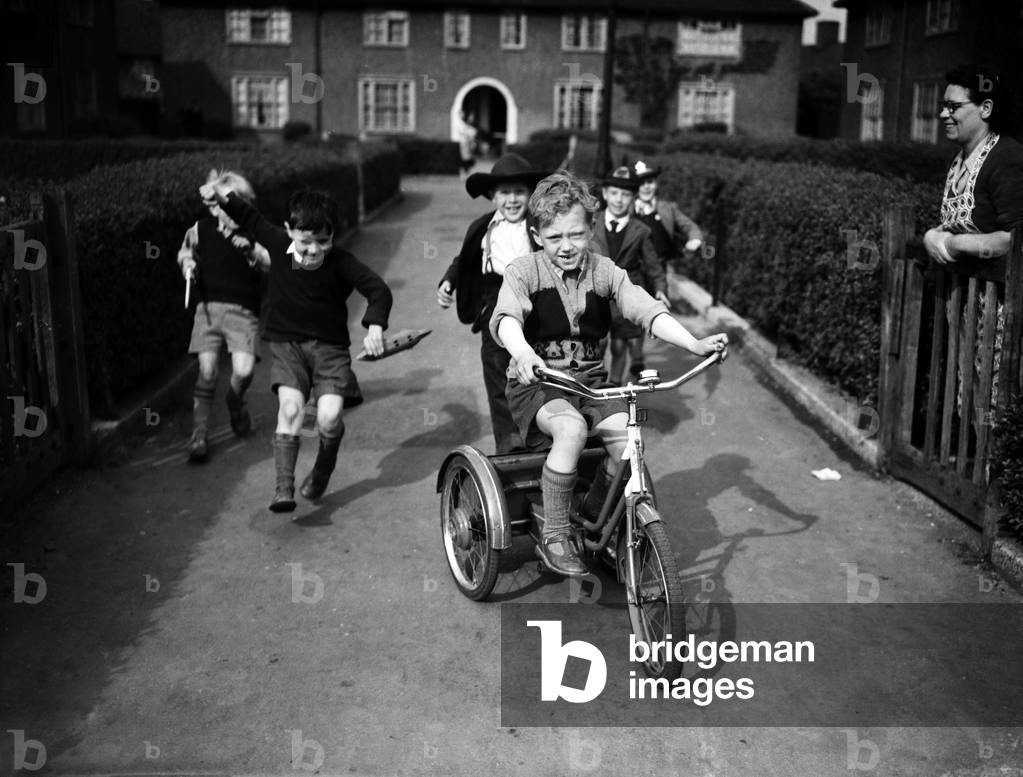
MPX5161328: Boys playing on a council estate as one of their mothers looks on, London. 1955 (b/w photo) / Bridgeman Images
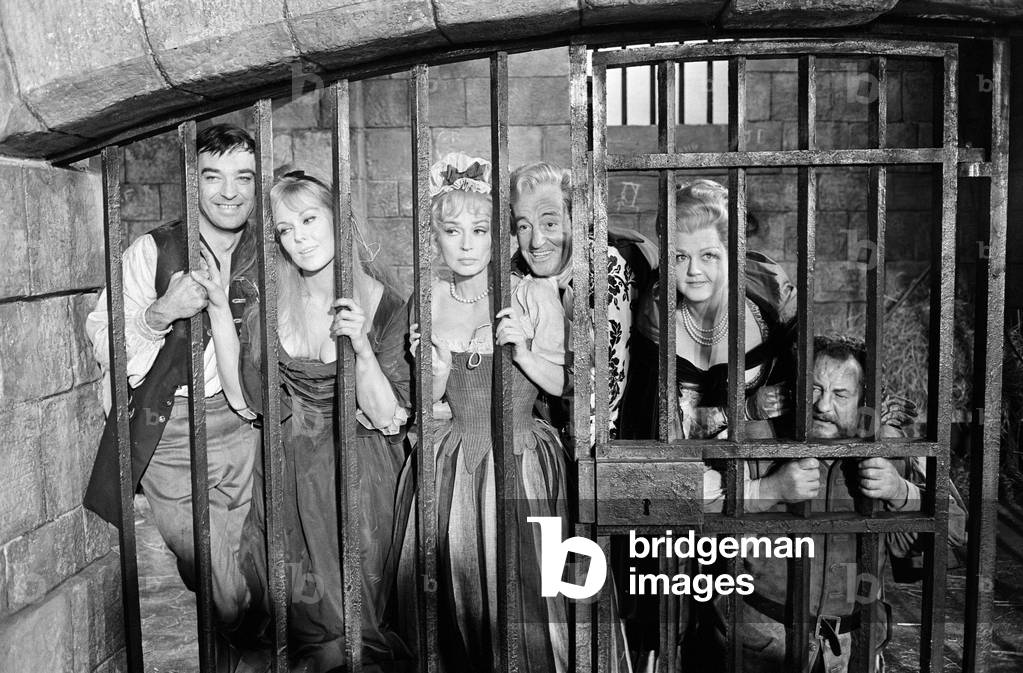
MPX5161331: Richard Johnson, Kim Novak, Lilli Palmer, Vittorio De Sica and Angela Lansbury on the set of 'The Amorous Adventures of Moll Flanders' filming a scene set in Newgate Prison, at Shepperton Studios. 11th November 1964 (b/w photo) / Bridgeman Images

MPX5161048: Spike Milligan with his three year old daughter Sile Milligan, pulling funny faces. 16th June 1961 (b/w photo) / Bridgeman Images

MPX5161066: Zsa Zsa Gabor at London Airport with her daughter Francesca Hilton and husband Herbert Hutner, after flying from from Nice, en route to Los Angeles. 7th August 1964 (b/w photo) / Bridgeman Images

MPX5161087: Singer Gene Pitney. Circa 1989 (photo) / Bridgeman Images
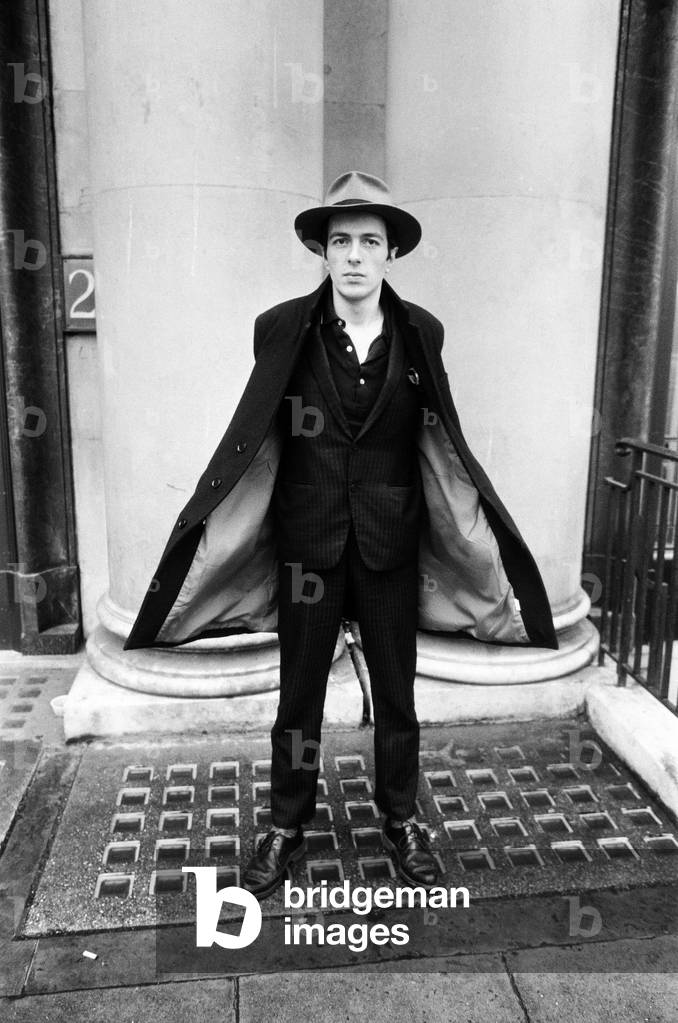
MPX5161126: Joe Strummer, lead vocalist of English punk rock band The Clash. 16th January 1981 (b/w photo) / Bridgeman Images
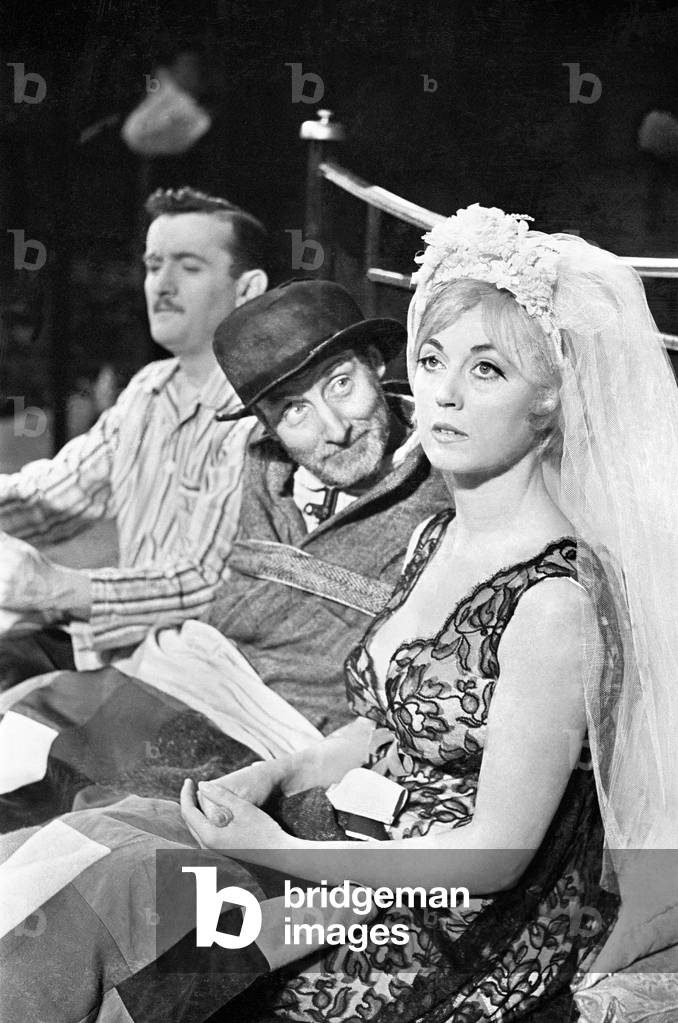
MPX5161180: Photo-call, for The Bed Sitting Room at the Mermaid Theatre, London 30th January 1963 (b/w photo) / Bridgeman Images
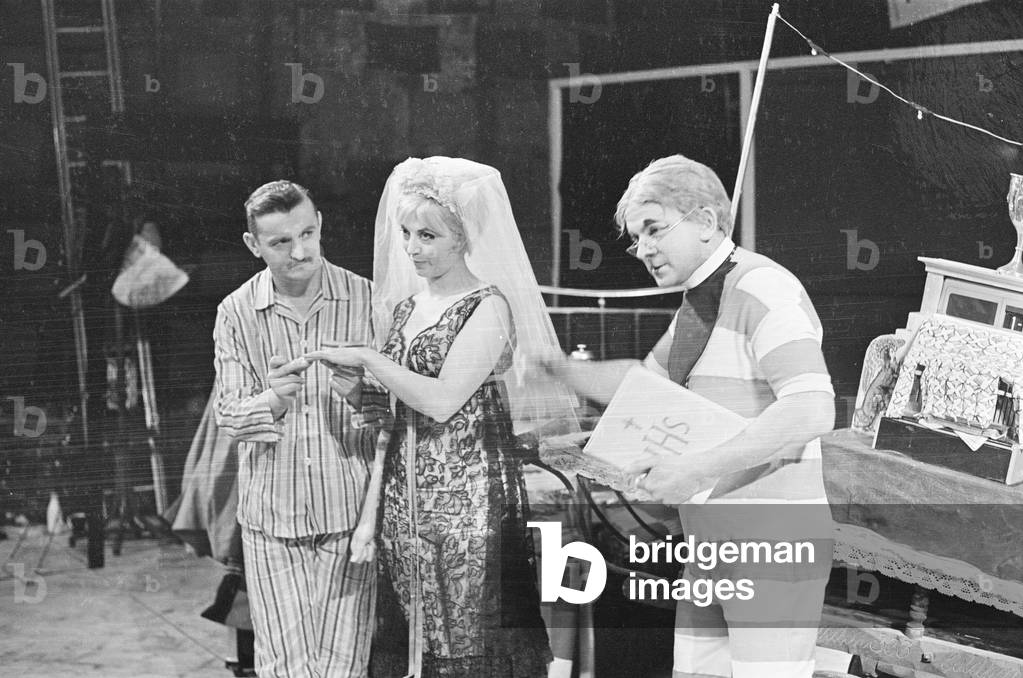
MPX5161183: Photo-call, for The Bed Sitting Room at the Mermaid Theatre, London 30th January 1963 (b/w photo) / Bridgeman Images
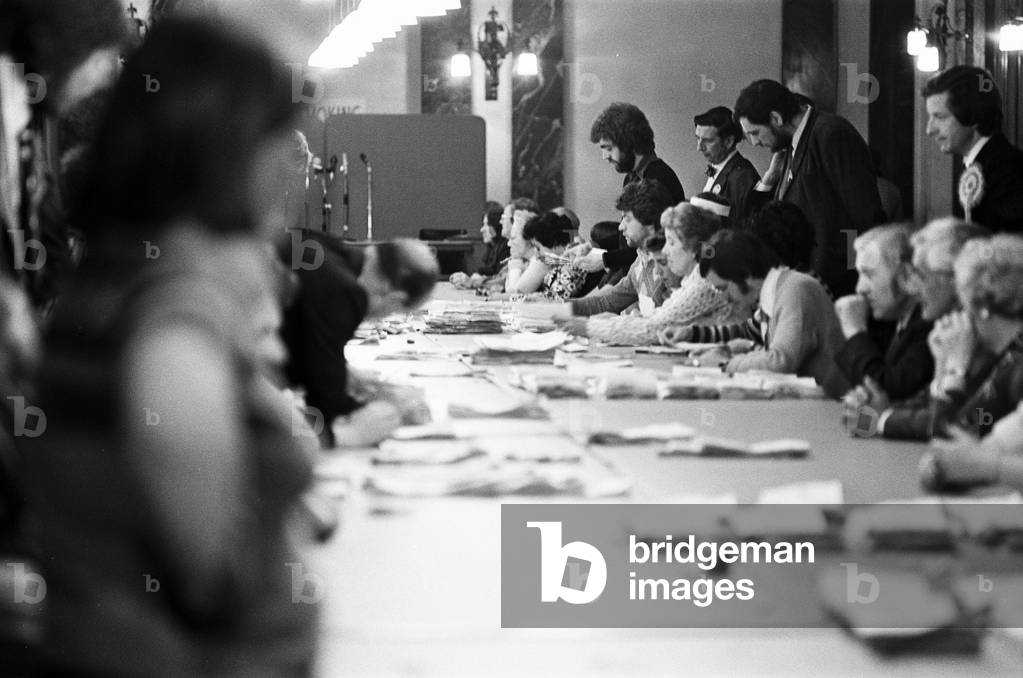
MPX5161303: Ladywood, Birmingham, By-election, 18th August 1977 (b/w photo) / Bridgeman Images
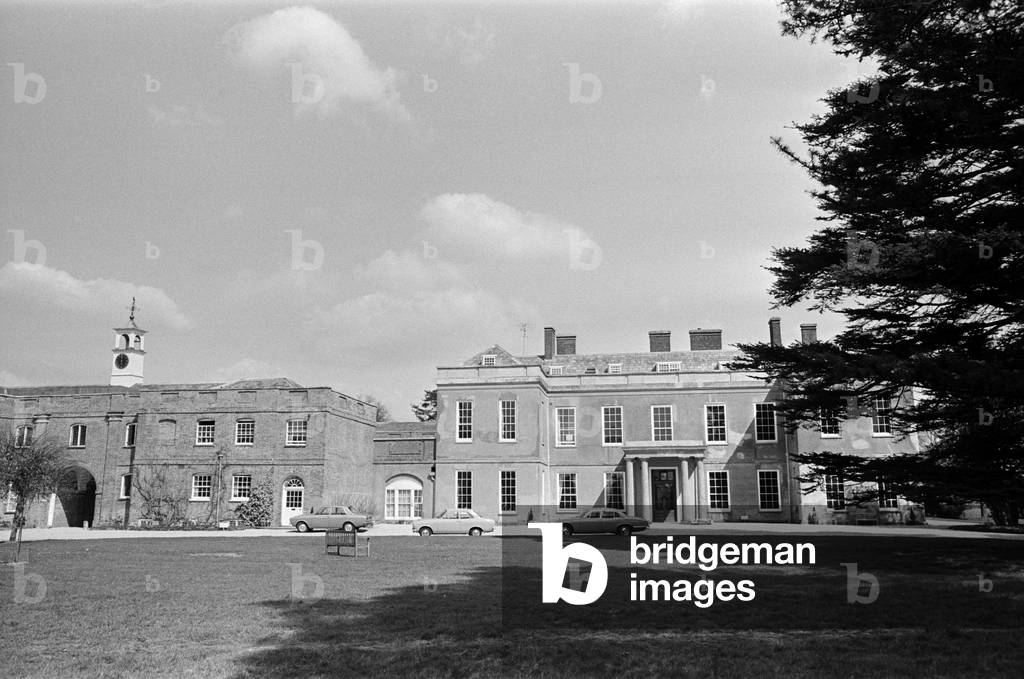
MPX5161309: Swallowfield Park, Berkshire. 17th April 1969 (b/w photo) / Bridgeman Images

MPX5166794: Newcastle students went to a lot of trouble to raise money for charity with their Rag Parade, 7th November 1971 (b/w photo) / Bridgeman Images

MPX5166803: Bomb damaged buildings near the Tyne Bridge in Newcastle, 2nd July 1940 (b/w photo) / Bridgeman Images

MPX5166784: Newcastle students went to a lot of trouble to raise money for charity with their Rag Parade, 7th November 1971 (b/w photo) / Bridgeman Images

MPX5166793: Newcastle students went to a lot of trouble to raise money for charity with their Rag Parade, 7th November 1971 (b/w photo) / Bridgeman Images

MPX5166824: The remarkable efficiency of the Royal Air Force Air-Sea Rescue Service was demonstrated during a press visit to a station in the North East. The boat nears a airman in his dinghy, 17th August 1942 (b/w photo) / Bridgeman Images

MPX5166835: Ringo Starr of The Beatles during the video of "That'll Be The Day", February 1973 (photo) / Bridgeman Images

MPX5166848: The Duke of Kent arriving to open the new PCHA building in Newcastle, 10th May 1935 (b/w photo) / Bridgeman Images

MPX5166857: Prince of Wales visits the Rye Hill area of Newcastle, 26th April 1932 (b/w photo) / Bridgeman Images

MPX5166878: Dancing in the street at Durham Miners' Gala, 1966 (b/w photo) / Bridgeman Images

MPX5166890: Carnaby Street, London, c.1968 (photo) / Bridgeman Images

MPX5166910: Dockside in Dublin Ireland, 1969 (b/w photo) / Bridgeman Images

MPX5166919: Actress Carol White, 13th February 1967 (photo) / Bridgeman Images

MPX5166911: Dockside in Dublin Ireland, 1969 (b/w photo) / Bridgeman Images

MPX5166970: Princess Diana the Princess of Wales. (North East visits). Workmen from Barratt Homes down tools to greet the princess at St Peters Basin, Newcastle. 3rd April 1991 (photo) / Bridgeman Images

MPX5166947: Actor Richard Burton with Elizabeth Taylor, December 1962 (b/w photo) / Bridgeman Images

MPX5166950: Comedian Benny Hill displaying a rather novel way of enjoying a cigarette whilst playing the harp, 20th June 1962 (b/w photo) / Bridgeman Images
