Search options

Orientation
Colour

Display options

View

Print

To print search results, use print friendly version of this page.

2502240 Search Results

Flaxseed - Common flax or linseed, Linum usitatissimum. Handcoloured zincograph by C. Chabot drawn by Miss M. A. Burnett from her “” Plantae Utiliores: or Illustrations of Useful Plants,”” Whittaker, London, 1842. Miss Burnett drew the botanical illustrations, but the text was chiefly by her late brother, British botanist Gilbert Thomas Burnett (1800-1835).

FLO4600084: Flaxseed - Common flax or linseed, Linum usitatissimum. Handcoloured zincograph by C. Chabot drawn by Miss M. A. Burnett from her “” Plantae Utiliores: or Illustrations of Useful Plants,”” Whittaker, London, 1842. Miss Burnett drew the botanical illustrations, but the text was chiefly by her late brother, British botanist Gilbert Thomas Burnett (1800-1835). / Bridgeman Images

Climbing hops - Hops, Humulus lupulus. Handcoloured zincograph by C. Chabot drawn by Miss M. A. Burnett from her “” Plantae Utiliores: or Illustrations of Useful Plants,”” Whittaker, London, 1842. Miss Burnett drew the botanical illustrations, but the text was chiefly by her late brother, British botanist Gilbert Thomas Burnett (1800-1835).

FLO4600108: Climbing hops - Hops, Humulus lupulus. Handcoloured zincograph by C. Chabot drawn by Miss M. A. Burnett from her “” Plantae Utiliores: or Illustrations of Useful Plants,”” Whittaker, London, 1842. Miss Burnett drew the botanical illustrations, but the text was chiefly by her late brother, British botanist Gilbert Thomas Burnett (1800-1835). / Bridgeman Images

Wild jujubier or Berberian jujubier - Lotus tree, Ziziphus lotus, with leaf, flower, thorn and berry. Handcoloured zincograph by C. Chabot drawn by Miss M. A. Burnett from her “” Plantae Utiliores: or Illustrations of Useful Plants,”” Whittaker, London, 1842. Miss Burnett drew the botanical illustrations, but the text was chiefly by her late brother, British botanist Gilbert Thomas Burnett (1800-1835).

FLO4600211: Wild jujubier or Berberian jujubier - Lotus tree, Ziziphus lotus, with leaf, flower, thorn and berry. Handcoloured zincograph by C. Chabot drawn by Miss M. A. Burnett from her “” Plantae Utiliores: or Illustrations of Useful Plants,”” Whittaker, London, 1842. Miss Burnett drew the botanical illustrations, but the text was chiefly by her late brother, British botanist Gilbert Thomas Burnett (1800-1835). / Bridgeman Images

Ble tendre - Common wheat, Tritium aestivum (T. hybernum). Handcoloured zincograph by C. Chabot drawn by Miss M. A. Burnett from her “” Plantae Utiliores: or Illustrations of Useful Plants,”” Whittaker, London, 1842. Miss Burnett drew the botanical illustrations, but the text was chiefly by her late brother, British botanist Gilbert Thomas Burnett (1800-1835).

FLO4600081: Ble tendre - Common wheat, Tritium aestivum (T. hybernum). Handcoloured zincograph by C. Chabot drawn by Miss M. A. Burnett from her “” Plantae Utiliores: or Illustrations of Useful Plants,”” Whittaker, London, 1842. Miss Burnett drew the botanical illustrations, but the text was chiefly by her late brother, British botanist Gilbert Thomas Burnett (1800-1835). / Bridgeman Images

Green strawberry - Alpine strawberry, Fragaria collina, with flower, green fruit and leaf. Handcoloured zincograph by C. Chabot drawn by Miss M. A. Burnett from her “” Plantae Utiliores: or Illustrations of Useful Plants,”” Whittaker, London, 1842. Miss Burnett drew the botanical illustrations, but the text was chiefly by her late brother, British botanist Gilbert Thomas Burnett (1800-1835).

FLO4600057: Green strawberry - Alpine strawberry, Fragaria collina, with flower, green fruit and leaf. Handcoloured zincograph by C. Chabot drawn by Miss M. A. Burnett from her “” Plantae Utiliores: or Illustrations of Useful Plants,”” Whittaker, London, 1842. Miss Burnett drew the botanical illustrations, but the text was chiefly by her late brother, British botanist Gilbert Thomas Burnett (1800-1835). / Bridgeman Images

Commiphore Mecca Balm or Galaad Balsam - Balsam of Gilead tree, Commiphora gileadensis. Handcoloured zincograph by C. Chabot drawn by Miss M. A. Burnett from her “” Plantae Utiliores: or Illustrations of Useful Plants,”” Whittaker, London, 1842. Miss Burnett drew the botanical illustrations, but the text was chiefly by her late brother, British botanist Gilbert Thomas Burnett (1800-1835).

FLO4600130: Commiphore Mecca Balm or Galaad Balsam - Balsam of Gilead tree, Commiphora gileadensis. Handcoloured zincograph by C. Chabot drawn by Miss M. A. Burnett from her “” Plantae Utiliores: or Illustrations of Useful Plants,”” Whittaker, London, 1842. Miss Burnett drew the botanical illustrations, but the text was chiefly by her late brother, British botanist Gilbert Thomas Burnett (1800-1835). / Bridgeman Images

Kickapoo chief Kee-an-ne-kuk, Foremost Man 185, Ah-ton-we-tuck, Cock Turkey 186, the Prophet. Wea warriors Go-t-kow-pah-a, He Who Stands by Himself 187 and Wa-Pon-je-a, Swan 188. Handcoloured lithograph from George Catlin's Manners, Customs and Condition of the North American Indians, London, 1841.

FLO4600729: Kickapoo chief Kee-an-ne-kuk, Foremost Man 185, Ah-ton-we-tuck, Cock Turkey 186, the Prophet. Wea warriors Go-t-kow-pah-a, He Who Stands by Himself 187 and Wa-Pon-je-a, Swan 188. Handcoloured lithograph from George Catlin's Manners, Customs and Condition of the North American Indians, London, 1841. / Bridgeman Images

Potawatomi warrior in prayer On-Saw-kie, the Sac 189, and chief Na-pow-sa, The Bear Travelling in the Night 190. Kaskasia man in western dress Kee-mon-saw, Little Chief 191 and his aged mother Wah-pe-Seh-see 192. Handcoloured lithograph from George Catlin's Manners, Customs and Condition of the North American Indians, London, 1841.

FLO4600738: Potawatomi warrior in prayer On-Saw-kie, the Sac 189, and chief Na-pow-sa, The Bear Travelling in the Night 190. Kaskasia man in western dress Kee-mon-saw, Little Chief 191 and his aged mother Wah-pe-Seh-see 192. Handcoloured lithograph from George Catlin's Manners, Customs and Condition of the North American Indians, London, 1841. / Bridgeman Images

Iroquois warrior Not-o-way, the Thinker, with blanket and tomahawk. Handcoloured lithograph from George Catlin's Manners, Customs and Condition of the North American Indians, London, 1841.

FLO4600766: Iroquois warrior Not-o-way, the Thinker, with blanket and tomahawk. Handcoloured lithograph from George Catlin's Manners, Customs and Condition of the North American Indians, London, 1841. / Bridgeman Images

Cherokee nation: head chief John Ross 215 of the Georgia Cherokee and woman or squaw 216. Chief Jol-lee 217 and second chief Teh-ke-neh-kee, Blackcoat 218 of the Arkansas Cherokee. Handcoloured lithograph from George Catlin's Manners, Customs and Condition of the North American Indians, London, 1841.

FLO4600825: Cherokee nation: head chief John Ross 215 of the Georgia Cherokee and woman or squaw 216. Chief Jol-lee 217 and second chief Teh-ke-neh-kee, Blackcoat 218 of the Arkansas Cherokee. Handcoloured lithograph from George Catlin's Manners, Customs and Condition of the North American Indians, London, 1841. / Bridgeman Images

Wild or tricolor pensee - Heartsease, Viola tricolor. Handcoloured zincograph by C. Chabot drawn by Miss M. A. Burnett from her “” Plantae Utiliores: or Illustrations of Useful Plants,”” Whittaker, London, 1842. Miss Burnett drew the botanical illustrations, but the text was chiefly by her late brother, British botanist Gilbert Thomas Burnett (1800-1835).

FLO4600381: Wild or tricolor pensee - Heartsease, Viola tricolor. Handcoloured zincograph by C. Chabot drawn by Miss M. A. Burnett from her “” Plantae Utiliores: or Illustrations of Useful Plants,”” Whittaker, London, 1842. Miss Burnett drew the botanical illustrations, but the text was chiefly by her late brother, British botanist Gilbert Thomas Burnett (1800-1835). / Bridgeman Images

Common ash or ash eleve - European ash tree, Fraxinus excelsior. Handcoloured zincograph by C. Chabot drawn by Miss M. A. Burnett from her “” Plantae Utiliores: or Illustrations of Useful Plants,”” Whittaker, London, 1842. Miss Burnett drew the botanical illustrations, but the text was chiefly by her late brother, British botanist Gilbert Thomas Burnett (1800-1835).

FLO4600385: Common ash or ash eleve - European ash tree, Fraxinus excelsior. Handcoloured zincograph by C. Chabot drawn by Miss M. A. Burnett from her “” Plantae Utiliores: or Illustrations of Useful Plants,”” Whittaker, London, 1842. Miss Burnett drew the botanical illustrations, but the text was chiefly by her late brother, British botanist Gilbert Thomas Burnett (1800-1835). / Bridgeman Images

Nenuphar blanc ou grand nenuphar - European white waterlily, Nymphaea alba. Handcoloured zincograph by C. Chabot drawn by Miss M. A. Burnett from her “” Plantae Utiliores: or Illustrations of Useful Plants,”” Whittaker, London, 1842. Miss Burnett drew the botanical illustrations, but the text was chiefly by her late brother, British botanist Gilbert Thomas Burnett (1800-1835).

FLO4600421: Nenuphar blanc ou grand nenuphar - European white waterlily, Nymphaea alba. Handcoloured zincograph by C. Chabot drawn by Miss M. A. Burnett from her “” Plantae Utiliores: or Illustrations of Useful Plants,”” Whittaker, London, 1842. Miss Burnett drew the botanical illustrations, but the text was chiefly by her late brother, British botanist Gilbert Thomas Burnett (1800-1835). / Bridgeman Images

Arum stain or Gouet stain - Cuckoopint, Arum maculatum. Handcoloured zincograph by C. Chabot drawn by Miss M. A. Burnett from her “” Plantae Utiliores: or Illustrations of Useful Plants,”” Whittaker, London, 1842. Miss Burnett drew the botanical illustrations, but the text was chiefly by her late brother, British botanist Gilbert Thomas Burnett (1800-1835).

FLO4600449: Arum stain or Gouet stain - Cuckoopint, Arum maculatum. Handcoloured zincograph by C. Chabot drawn by Miss M. A. Burnett from her “” Plantae Utiliores: or Illustrations of Useful Plants,”” Whittaker, London, 1842. Miss Burnett drew the botanical illustrations, but the text was chiefly by her late brother, British botanist Gilbert Thomas Burnett (1800-1835). / Bridgeman Images

Kaw or Kansa Nation: Chief Sho-me-cos-se, Wolf, 133, Meach-o-shin-gaw, Little White Bear 134, Chesh-o-hong-ha, Man of Good Sense 135, and Wa-hon-ga-shee, No Fool 136. With shaved heads decorated with crest of deer tail dyed red. Handcoloured lithograph from George Catlin's Manners, Customs and Condition of the North American Indians, London, 1841.

FLO4600521: Kaw or Kansa Nation: Chief Sho-me-cos-se, Wolf, 133, Meach-o-shin-gaw, Little White Bear 134, Chesh-o-hong-ha, Man of Good Sense 135, and Wa-hon-ga-shee, No Fool 136. With shaved heads decorated with crest of deer tail dyed red. Handcoloured lithograph from George Catlin's Manners, Customs and Condition of the North American Indians, London, 1841. / Bridgeman Images

Shon-ka-ki-he-ga, Horse Chief of the Grand Pawnee Nation 138, and Haw-che-ke-sug-ga, He Who Kills the Osage, aged chief of the Missouries (Missouria or Niuachi) 139. Handcoloured lithograph from George Catlin's Manners, Customs and Condition of the North American Indians, London, 1841.

FLO4600582: Shon-ka-ki-he-ga, Horse Chief of the Grand Pawnee Nation 138, and Haw-che-ke-sug-ga, He Who Kills the Osage, aged chief of the Missouries (Missouria or Niuachi) 139. Handcoloured lithograph from George Catlin's Manners, Customs and Condition of the North American Indians, London, 1841. / Bridgeman Images

Warrior tal-lee of the Osage nation. His head is shaved and adorned with a dyed-red deer hair crest. He carries a lance, quiver and shield, and wears leggings and moccasins fringed with scalps. Handcoloured lithograph from George Catlin's Manners, Customs and Condition of the North American Indians, London, 1841.

FLO4600585: Warrior tal-lee of the Osage nation. His head is shaved and adorned with a dyed-red deer hair crest. He carries a lance, quiver and shield, and wears leggings and moccasins fringed with scalps. Handcoloured lithograph from George Catlin's Manners, Customs and Condition of the North American Indians, London, 1841. / Bridgeman Images

Crow people skinning bison and preparing hides outside a teepee decorated with paintings, porcupine quills and scalps. Handcoloured lithograph from George Catlin's Manners, Customs and Condition of the North American Indians, London, 1841.

FLO4600620: Crow people skinning bison and preparing hides outside a teepee decorated with paintings, porcupine quills and scalps. Handcoloured lithograph from George Catlin's Manners, Customs and Condition of the North American Indians, London, 1841. / Bridgeman Images

Comanche village on the move: women dismantling teepees and preparing to move encampment by dragging baggage behind horses and dogs. Handcoloured lithograph from George Catlin's Manners, Customs and Condition of the North American Indians, London, 1841.

FLO4600676: Comanche village on the move: women dismantling teepees and preparing to move encampment by dragging baggage behind horses and dogs. Handcoloured lithograph from George Catlin's Manners, Customs and Condition of the North American Indians, London, 1841. / Bridgeman Images

Chippewa bark canoe a, Sioux dug-out canoe b, Mandan skin canoe c, Sioux snow shoes d, and Chippewa snoe shoes e. Handcoloured lithograph from George Catlin's Manners, Customs and Condition of the North American Indians, London, 1841.

FLO4600933: Chippewa bark canoe a, Sioux dug-out canoe b, Mandan skin canoe c, Sioux snow shoes d, and Chippewa snoe shoes e. Handcoloured lithograph from George Catlin's Manners, Customs and Condition of the North American Indians, London, 1841. / Bridgeman Images

Mandan village with earth domes and spears, and interior of a Mandan dwelling with skylight, fireplace and people resting on mats of rushes. Handcoloured lithograph from George Catlin's Manners, Customs and Condition of the North American Indians, London, 1841.

FLO4601107: Mandan village with earth domes and spears, and interior of a Mandan dwelling with skylight, fireplace and people resting on mats of rushes. Handcoloured lithograph from George Catlin's Manners, Customs and Condition of the North American Indians, London, 1841. / Bridgeman Images

Seminole brave Os-ce-o-la, Powell, son of a white man and Creek woman. In turban and calico robes, holding a rifle, Handcoloured lithograph from George Catlin's Manners, Customs and Condition of the North American Indians (London, 1841).

FLO4601144: Seminole brave Os-ce-o-la, Powell, son of a white man and Creek woman. In turban and calico robes, holding a rifle, Handcoloured lithograph from George Catlin's Manners, Customs and Condition of the North American Indians (London, 1841). / Bridgeman Images

Coloquinte officinal or true coloquinte - Bitter apple, bitter cucumber or colocynth, Citrullus colocynthis (Cucumis colocynthis). Handcoloured zincograph by C. Chabot drawn by Miss M. A. Burnett from her “” Plantae Utiliores: or Illustrations of Useful Plants,”” Whittaker, London, 1842. Miss Burnett drew the botanical illustrations, but the text was chiefly by her late brother, British botanist Gilbert Thomas Burnett (1800-1835).

FLO4600121: Coloquinte officinal or true coloquinte - Bitter apple, bitter cucumber or colocynth, Citrullus colocynthis (Cucumis colocynthis). Handcoloured zincograph by C. Chabot drawn by Miss M. A. Burnett from her “” Plantae Utiliores: or Illustrations of Useful Plants,”” Whittaker, London, 1842. Miss Burnett drew the botanical illustrations, but the text was chiefly by her late brother, British botanist Gilbert Thomas Burnett (1800-1835). / Bridgeman Images

White lily - Madonna lily, Lilium candidum. Handcoloured zincograph by C. Chabot drawn by Miss M. A. Burnett from her “” Plantae Utiliores: or Illustrations of Useful Plants,”” Whittaker, London, 1842. Miss Burnett drew the botanical illustrations, but the text was chiefly by her late brother, British botanist Gilbert Thomas Burnett (1800-1835).

FLO4600202: White lily - Madonna lily, Lilium candidum. Handcoloured zincograph by C. Chabot drawn by Miss M. A. Burnett from her “” Plantae Utiliores: or Illustrations of Useful Plants,”” Whittaker, London, 1842. Miss Burnett drew the botanical illustrations, but the text was chiefly by her late brother, British botanist Gilbert Thomas Burnett (1800-1835). / Bridgeman Images

Wood Cinnamon - Canella or wild cinnamon, Canella winterana (Canella alba). Handcoloured zincograph by C. Chabot drawn by Miss M. A. Burnett from her “” Plantae Utiliores: or Illustrations of Useful Plants,”” Whittaker, London, 1842. Miss Burnett drew the botanical illustrations, but the text was chiefly by her late brother, British botanist Gilbert Thomas Burnett (1800-1835).

FLO4600333: Wood Cinnamon - Canella or wild cinnamon, Canella winterana (Canella alba). Handcoloured zincograph by C. Chabot drawn by Miss M. A. Burnett from her “” Plantae Utiliores: or Illustrations of Useful Plants,”” Whittaker, London, 1842. Miss Burnett drew the botanical illustrations, but the text was chiefly by her late brother, British botanist Gilbert Thomas Burnett (1800-1835). / Bridgeman Images

Portrait of Philippe Schwarzerd dit Melanchton (1497-1560), 16th century (engraving)

JLJ4615224: Portrait of Philippe Schwarzerd dit Melanchton (1497-1560), 16th century (engraving), Unknown Artist, (16th century) / Bridgeman Images

Plate in faience with Virgin and Child. Manufacture of Quimper, 18th century (ceramic)

JLJ4615261: Plate in faience with Virgin and Child. Manufacture of Quimper, 18th century (ceramic), French School, (18th century) / Bridgeman Images

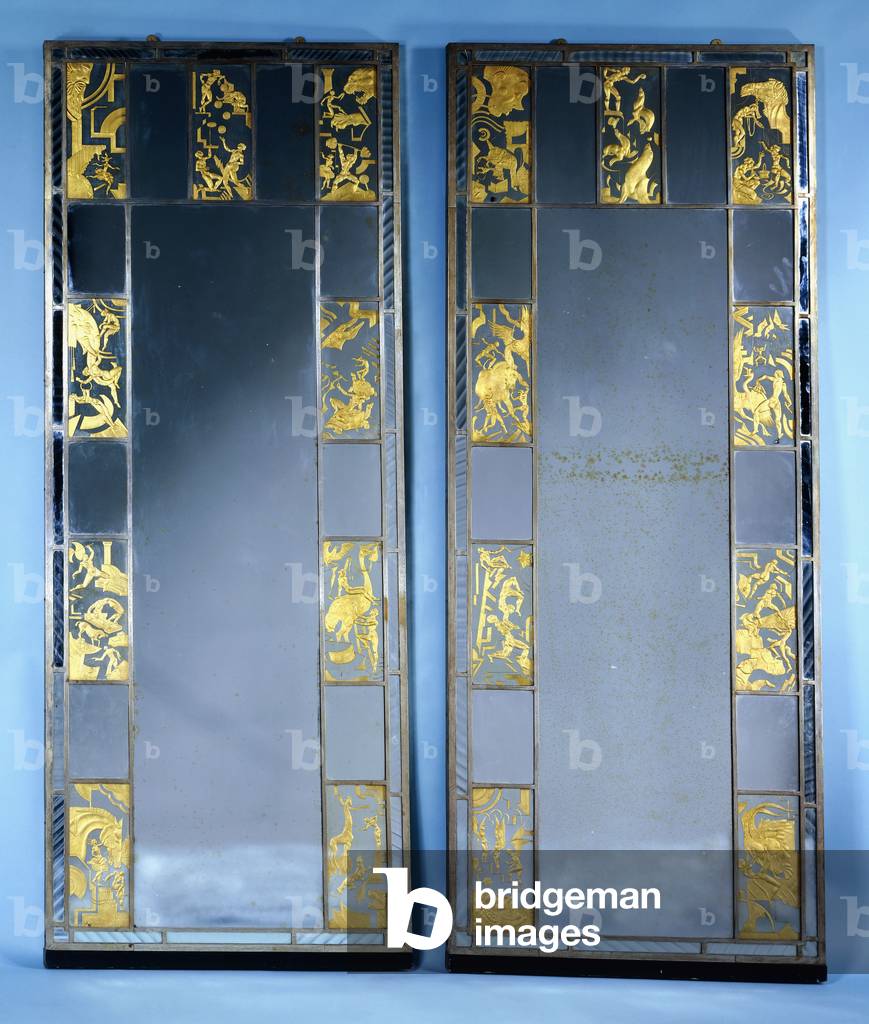
Mirror with gold silver figure by Anne Hyde, Duchess of York, wife of James II of England. 1659-1660 (object)

JLJ4616287: Mirror with gold silver figure by Anne Hyde, Duchess of York, wife of James II of England. 1659-1660 (object), English School, (17th century) / Bridgeman Images

Soft porcelain refreshment bucket made by the Vincennes factory, 1750 (ceramic)

JLJ4615432: Soft porcelain refreshment bucket made by the Vincennes factory, 1750 (ceramic), French School, (18th century) / Bridgeman Images
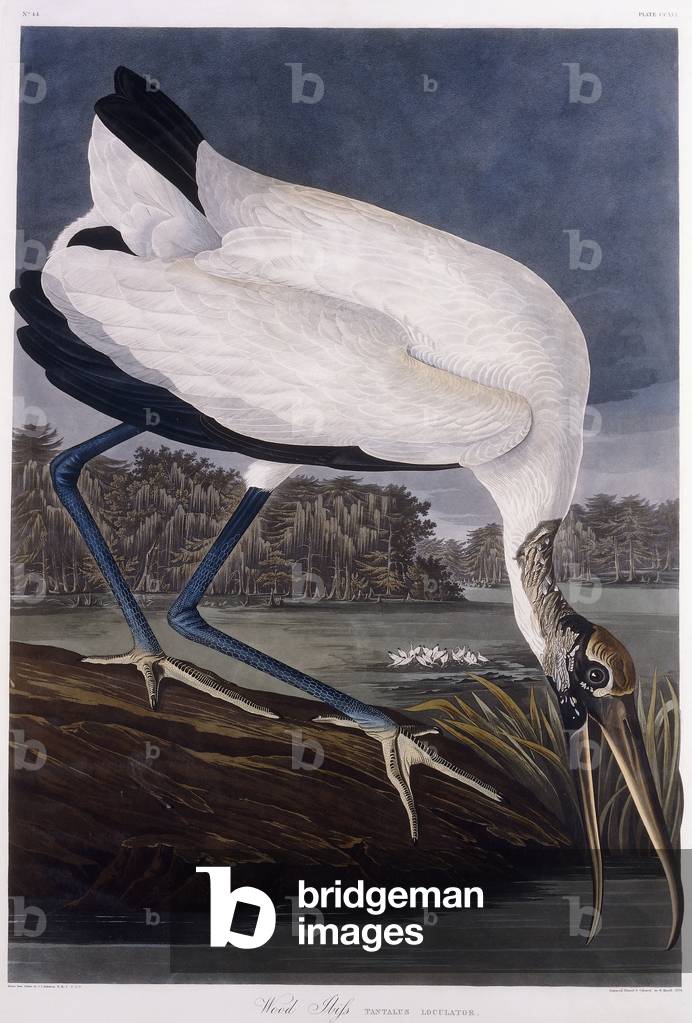
Miniature from the manuscript

JLJ4616092: Miniature from the manuscript "Ancient History of Caesar", 1250-1275 (miniature), Unknown Artist, (13th century) / Bridgeman Images

Map of the Molucca Archipelago in East Indonesia. Geographic map, 17th century (gouache and lead mine)

JLJ4619573: Map of the Molucca Archipelago in East Indonesia. Geographic map, 17th century (gouache and lead mine), Doetechum, Jan van (17th century) / Bridgeman Images

Nebula of the cone NGC 2264 and S star Monocerotis - NGC 2264 and S Monocerotis - Region H II located about 2600 years - light from Earth. The bright star is S Monocerotis, a star of magnitude 4.7. Image obtained by Siding Spring's 3.9m telescope. The region around the 4.7 magnitude star S Mon is a fascinating mixture of red fluorescent hydrogen and dark, obscuring dust lanes. Some dust patches are close enough to bright stars to reflect light from them; these appear blue for the same reason that the day - time sky is blue - because some of the interstellar particles preferentially scatter blue light. Some of the wispy tendrils of nebulosity are Herbig - Haro objects, jets of matter ejected from newly - formed stars still hidden within the nebula. About 250 stars have been recognised as members of NGC 2264 which is at a distance of about 2700 light years

PIX4618722: Nebula of the cone NGC 2264 and S star Monocerotis - NGC 2264 and S Monocerotis - Region H II located about 2600 years - light from Earth. The bright star is S Monocerotis, a star of magnitude 4.7. Image obtained by Siding Spring's 3.9m telescope. The region around the 4.7 magnitude star S Mon is a fascinating mixture of red fluorescent hydrogen and dark, obscuring dust lanes. Some dust patches are close enough to bright stars to reflect light from them; these appear blue for the same reason that the day - time sky is blue - because some of the interstellar particles preferentially scatter blue light. Some of the wispy tendrils of nebulosity are Herbig - Haro objects, jets of matter ejected from newly - formed stars still hidden within the nebula. About 250 stars have been recognised as members of NGC 2264 which is at a distance of about 2700 light years / Bridgeman Images

Nebula NGC 2359 in the Big Dog - NGC 2359 nebula in Canis Major - NGC 2359 is a nebula in the Big Dog that houses a star Wolf - Rayet, HD 56925. NGC 2359 (Thor's Helmet) is a prototypical wind blown bubble powered by the extremely massive and unstable Wolf - Rayet star HD 56925. These types of stars (only about 300 are known presently) represent a late evolutionary phase of massive O - type blue giants which have become unstable in the late stages of their short stellar life

PIX4618776: Nebula NGC 2359 in the Big Dog - NGC 2359 nebula in Canis Major - NGC 2359 is a nebula in the Big Dog that houses a star Wolf - Rayet, HD 56925. NGC 2359 (Thor's Helmet) is a prototypical wind blown bubble powered by the extremely massive and unstable Wolf - Rayet star HD 56925. These types of stars (only about 300 are known presently) represent a late evolutionary phase of massive O - type blue giants which have become unstable in the late stages of their short stellar life / Bridgeman Images

Lagoon Nebula (M8) - Infrared image of the Lagoon nebula obtained by MSX satellite. The nebula of the Lagoon is located in the constellation Sagittarius at a distance of about 5000 years - light

PIX4619703: Lagoon Nebula (M8) - Infrared image of the Lagoon nebula obtained by MSX satellite. The nebula of the Lagoon is located in the constellation Sagittarius at a distance of about 5000 years - light / Bridgeman Images

Nebulae M20 - M8 and NGC 6559 in Sagittarius - Nebulae M20 - M8 and NGC 6559 in Sagittarius - View of nebulae of the Lagoon (M - 8/ngc 6523), bottom, Trifide (M20), top, and NGC 6559 (left). Located in Sagittarius, these nebulae are about 5000 light years away from Earth

PIX4619744: Nebulae M20 - M8 and NGC 6559 in Sagittarius - Nebulae M20 - M8 and NGC 6559 in Sagittarius - View of nebulae of the Lagoon (M - 8/ngc 6523), bottom, Trifide (M20), top, and NGC 6559 (left). Located in Sagittarius, these nebulae are about 5000 light years away from Earth / Bridgeman Images

Nebulae M20 - M8 and NGC 6559 in Sagittair

PIX4619746: Nebulae M20 - M8 and NGC 6559 in Sagittair / Bridgeman Images


Back to top