
Print this page or go back to standard view.

FBU4250546: Archaeological site of Gournia. Gournia is the best preserved of all Minoan cities, and has been characterized as the “” Pompei Minoan Crete””. The cities has been found as it is now and has never been rebuilt. Gournia offers a picture of the daily life of the Minoan, who were engaged in agricultural, animal husbandry, fishing and range-making as shown by the tools discovered in the settlement. Stairs leading to the remains of the Palace. The palace was the most luxurious building in town, probably the administrative center and the residence of the town's leader. Crete / Bridgeman Images

FBU4250614: Archaeological site of Gournia. South complex. Street system and remains of houses used as Workshop and storage room. Gournia is the best preserved of all Minoan cities, and has been characterized as the “” Pompei Minoan Crete””. The cities has been found as it is now and has never been rebuilt. Gournia offers a picture of the daily life of the Minoan, who were engaged in agricultural, animal husbandry, fishing and vase-making as shown by the tools discovered in the settlement. Crete / Bridgeman Images

LOR4250662: France, Picardie province, Department of Aisne (02), Chateau Thierry. Statue of Jean de la Fontaine (Jean de Lafontaine, 1621-1695), famous english author, born in Chateau Thierry. Photography Florent Lamontagne / Bridgeman Images
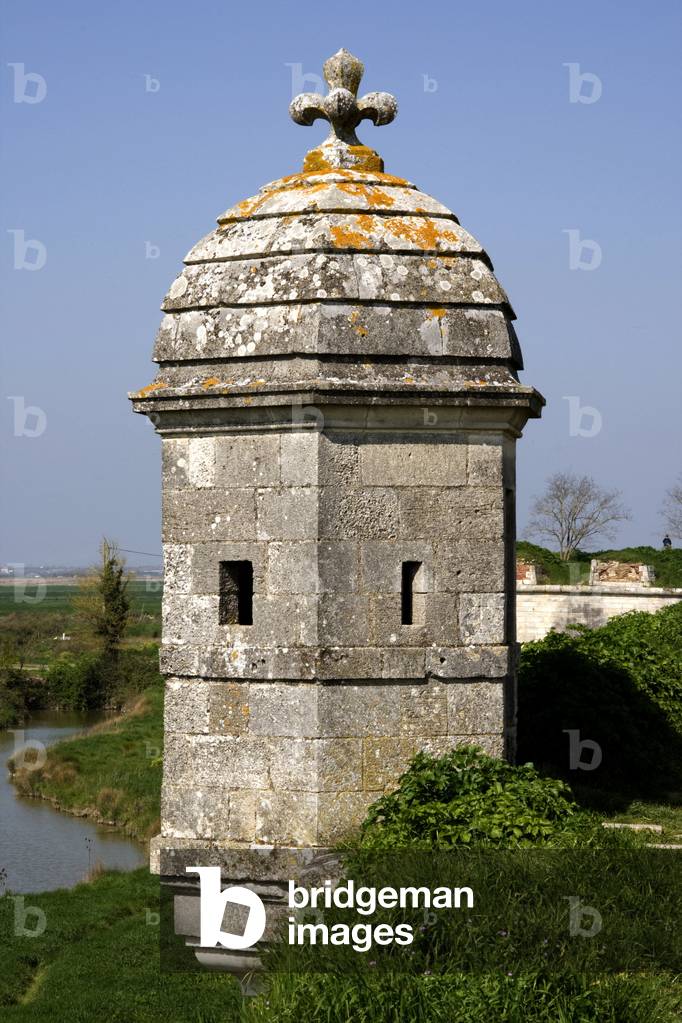
LOR4250697: France, Poitou Charentes province, Department of Charente Maritime (17), Brouage. Town of Brouage, famous for its military citadel designed by Sebastien Le Prestre, Marquis de Vauban (1633-1707), with towers, high walls offering view on the swamps. Samuel Champlain (1567-1635) who created Quebec city in Canada was born in Brouage. Photography Florent Lamontagne / Bridgeman Images

LOR4250797: France, Brittany province, Department of Cote d'Armor (22), Ploumanach. / Bridgeman Images

LOR4250994: First World War 1914-1918: France, Champagne-Ardenne, Marne (51), Binarville. / Bridgeman Images
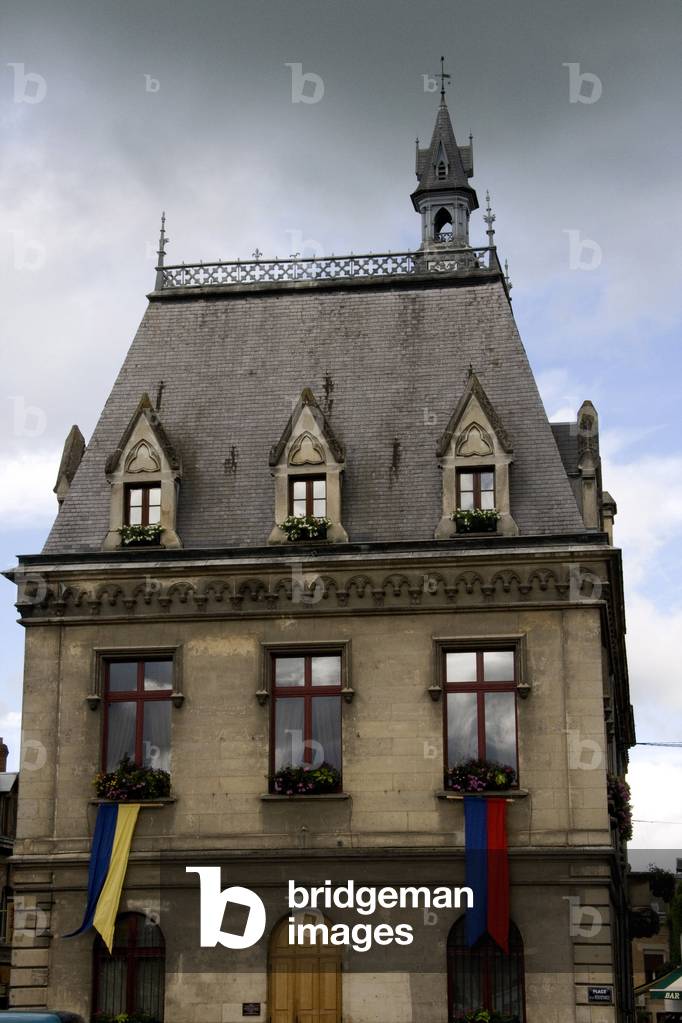
LOR4251049: France, Champagne-Ardenne, Marne (51), Fismes - City hall. / Bridgeman Images

LOR4251114: France, Champagne-Ardenne, Marne (51), Reims - Fort de la Pompelle (outdoor), remnants of fortification of the First World War's fort with tunnels, wires, protecting bags (First World War 1914-1918 or 14-18). Photography Florent Lamontagne / Bridgeman Images
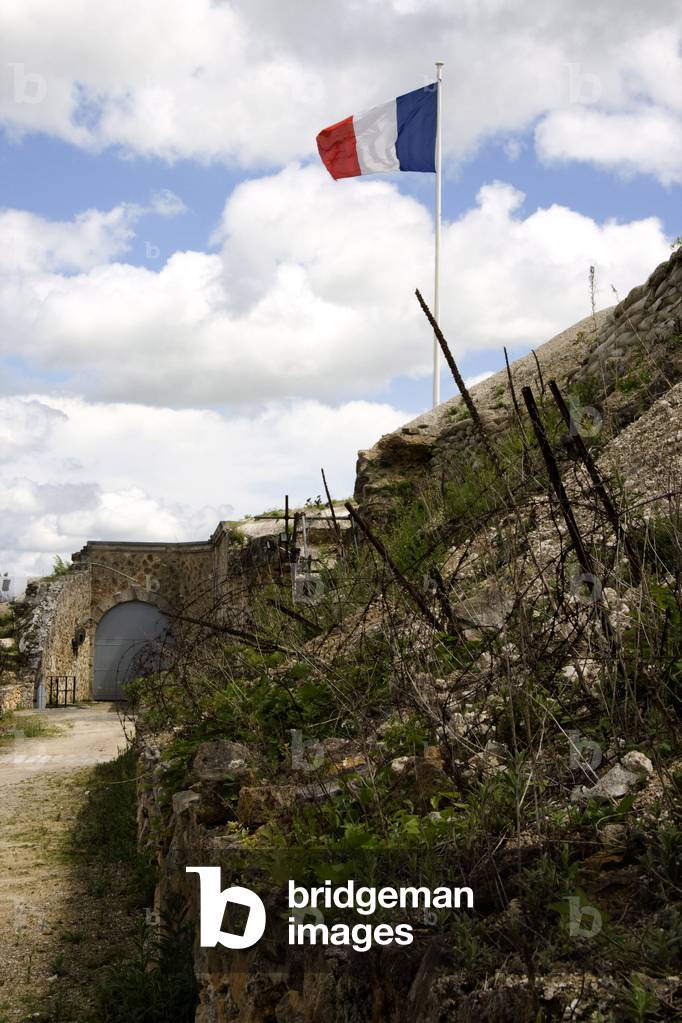
LOR4251181: France, Champagne-Ardenne, Marne (51), Reims - Fort de la Pompelle (outdoor), remnants of fortification of the First World War's fort with tunnels, wires, protecting bags (First World War 1914-1918 or 14-18). Photography Florent Lamontagne / Bridgeman Images

LOR4251263: France, Champagne-Ardenne, Marne (51), Sainte Marie a Py (Sainte-Marie-A-Py) - Memorial de Navarin (indoor) monument and ossuary to the soldiers of the First World War (First World War 1914-1918 or 14-18). Photography Florent Lamontagne / Bridgeman Images
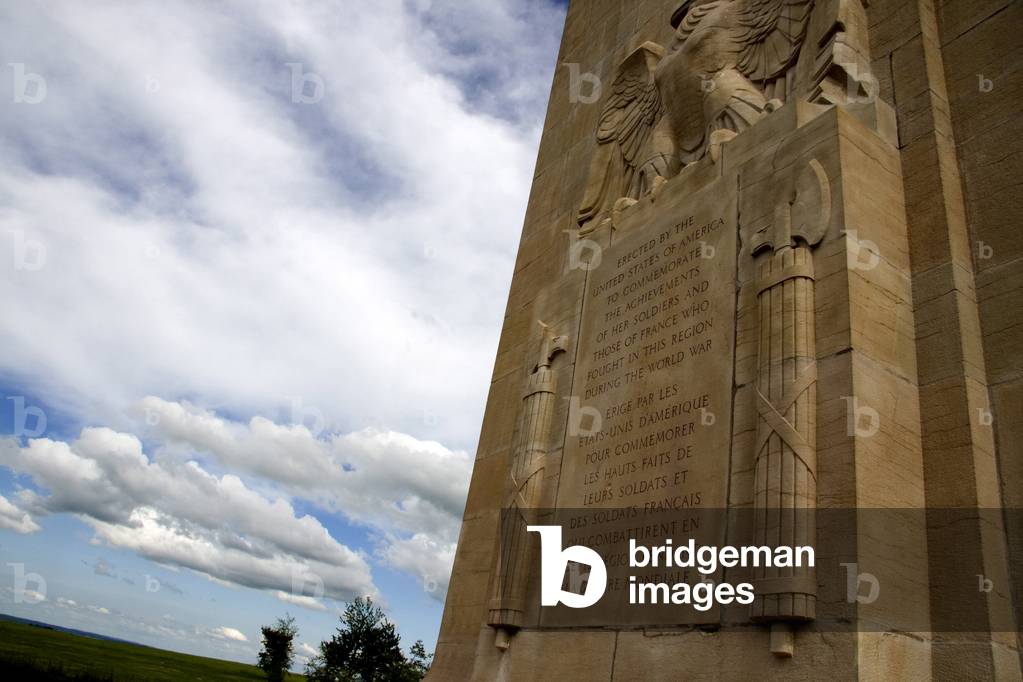
LOR4251333: France, Champagne-Ardenne, Marne (51), Sommepy-Tahure (Sommepy Tahure). American memorial of the battles of Champagne of the american army. Photography Florent Lamontagne / Bridgeman Images

LOR4251433: France, Champagne-Ardenne, Marne (51), Suippes - Memorial to the soldiers who died during the First World War (First World War 1914-1918 or 14-18). Photography Florent Lamontagne / Bridgeman Images

XEE4169048: New Year 1911: France is looking for better days, 1911 (print), Unknown Artist / Bridgeman Images
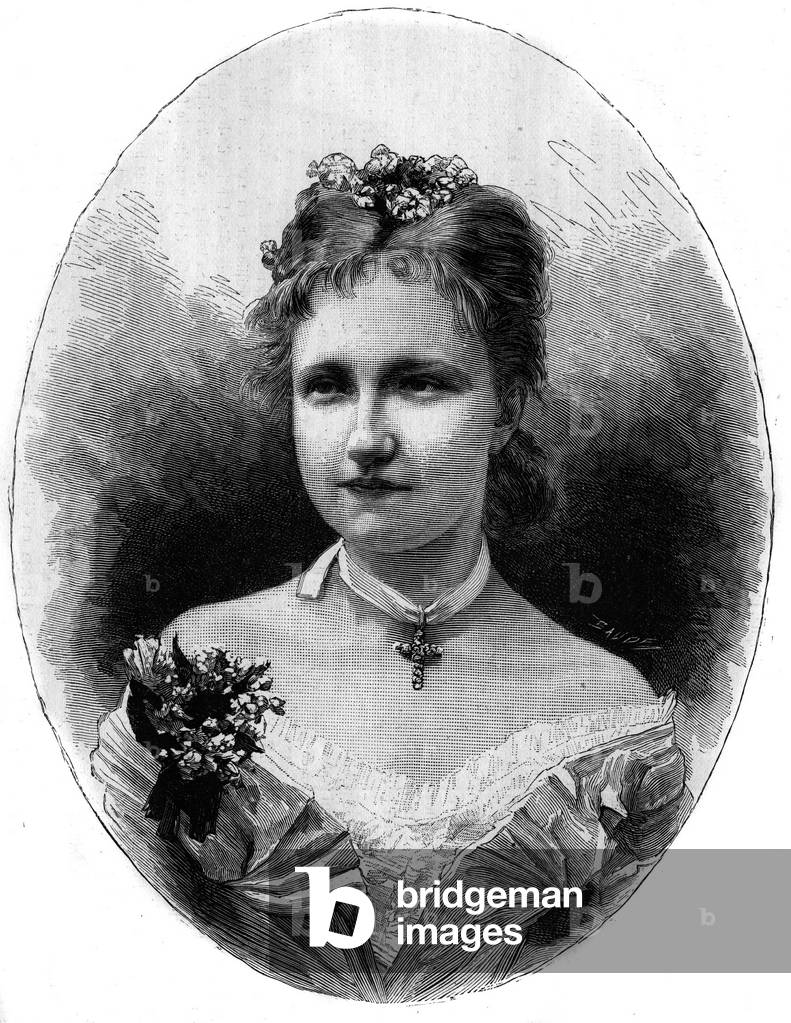
XEE4169355: Portrait of Princess Stephanie of Belgium (1864-1945). Engraving by Baude In “” Le Monde Illustré”” n°1260 of 21 May 1881., Baude, Charles (1853-1935) / Bridgeman Images

XEE4169569: Portrait en pied de Francois Achille Bazaine (Francois-Achille, 1811-1888) marechal de France in “” Le Trombinoscope”” by Touchatout, caricature by B. Moloch of 1882 (1849-1909). Private collection., Moloch (Colomb B.) (1849-1909) / Bridgeman Images

XEE4169680: Portrait of Jean Joseph Frederic Albert Farre (1816-1887), a French soldier, he was appointed general in 1870 and minister of war, Moloch (Colomb B.) (1849-1909) / Bridgeman Images

LOR4251455: France, Champagne-Ardenne, Marne (51), Suippes - “Centre d'interpretation Marne 14-18”, Museum about the First World War (First World War 1914-1918 or 14-18). Photography Florent Lamontagne / Bridgeman Images
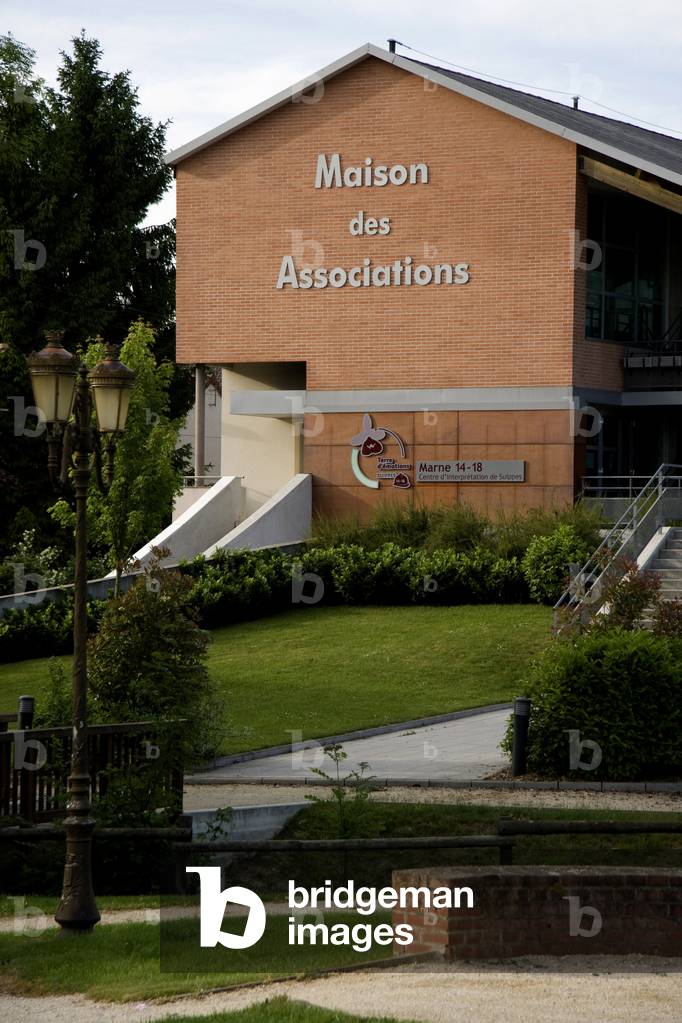
LOR4251477: France, Champagne-Ardenne, Marne (51), Suippes - “Centre d'interpretation Marne 14-18”, Museum about the First World War (First World War 1914-1918 or 14-18). Photography Florent Lamontagne / Bridgeman Images
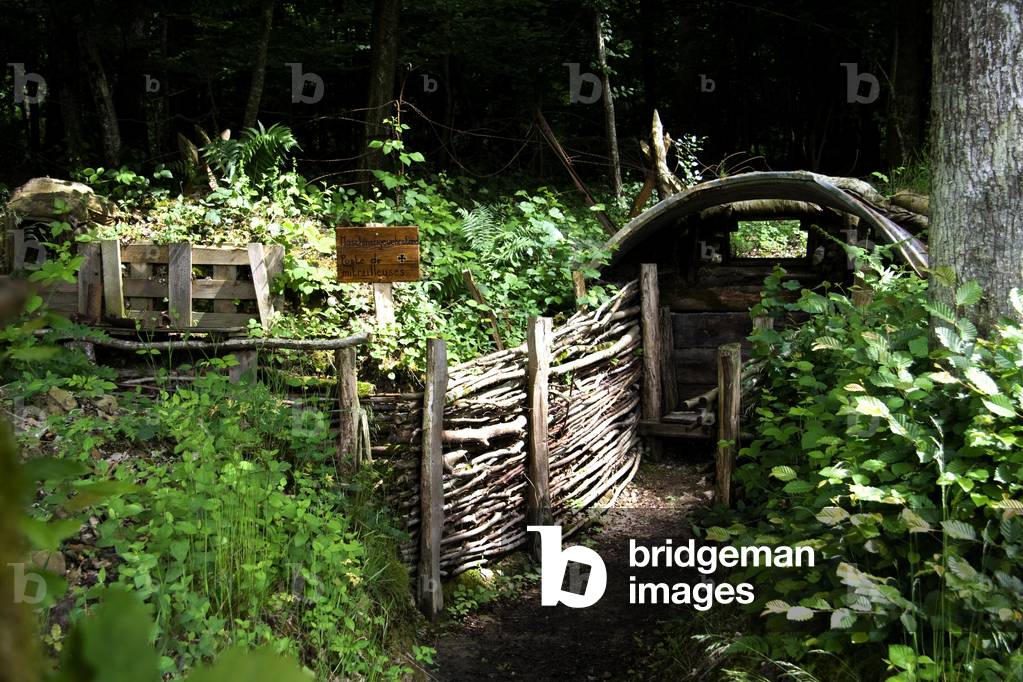
LOR4251515: France, Champagne-Ardenne, Marne (51), Vienne le Chateau (Vienne-le-Chateau) - Camp de la Vallee Moreau - recontitution and remnants of a german camp of the First World War (First World War 1914-1918). Photography Florent Lamontagne / Bridgeman Images

LOR4251602: France, Champagne-Ardenne, Marne (51), Vienne le Chateau (Vienne-le-Chateau) - Camp de la Vallee Moreau - recontitution and remnants of a german camp of the First World War (First World War 1914-1918 or 14-18). Photography Florent Lamontagne / Bridgeman Images
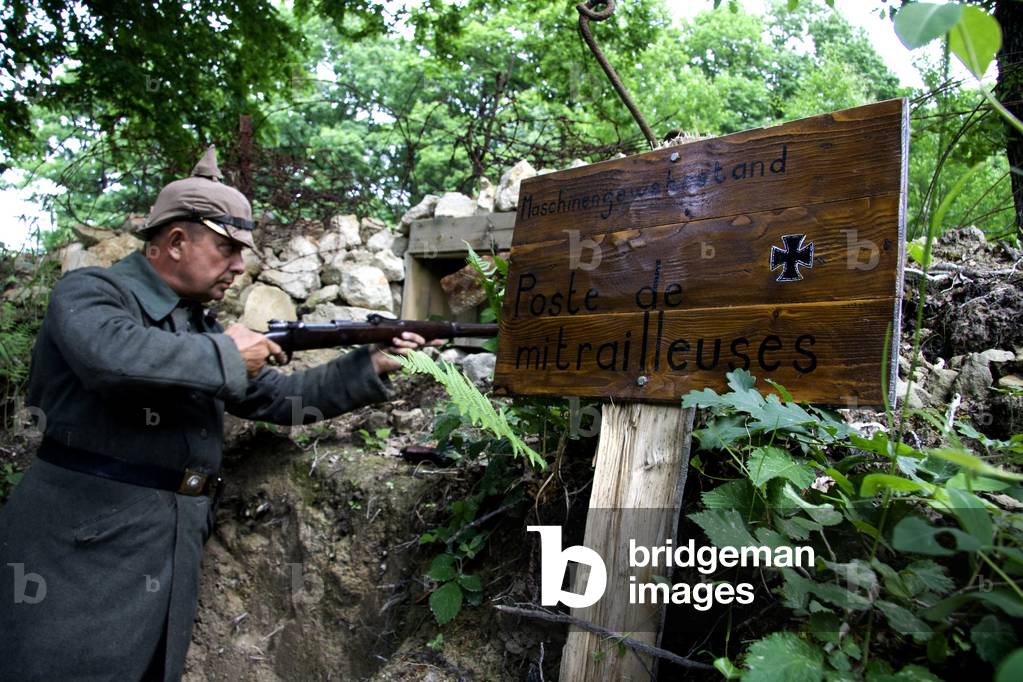
LOR4251678: France, Champagne-Ardenne, Marne (51), Vienne le Chateau (Vienne-le-Chateau) - Camp de la Vallee Moreau - recontitution and remnants of a german camp of the First World War (First World War 1914-1918 or 14-18). Photography Florent Lamontagne / Bridgeman Images
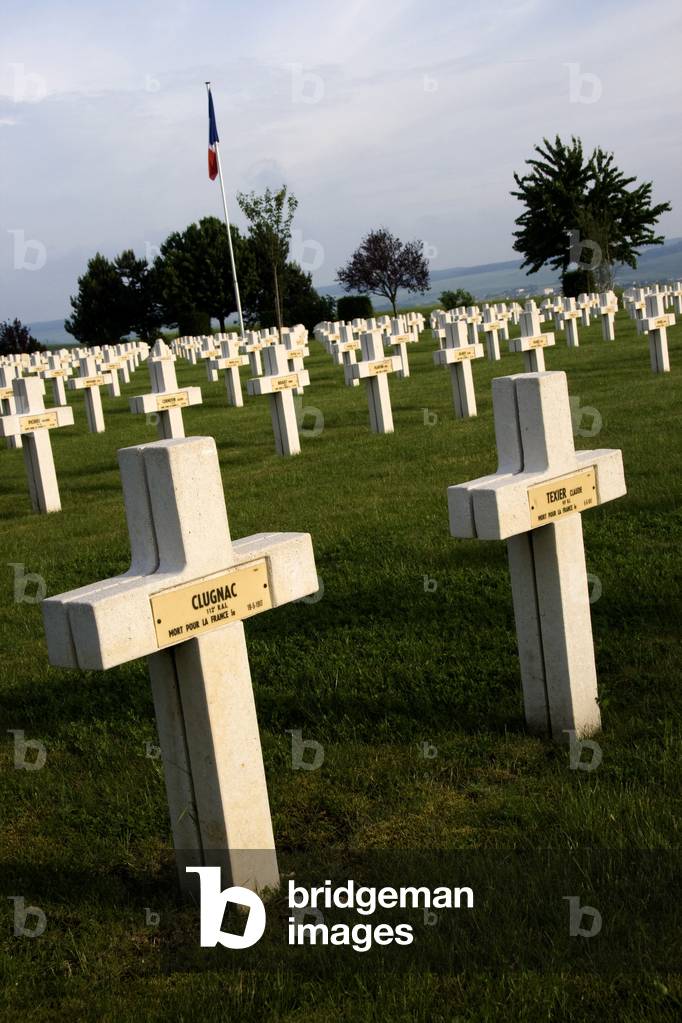
LOR4251737: France, Champagne-Ardenne, Marne (51), Ville en Tardenois (Ville-en-Tardenois) - Cemetery of the First World War (First World War 1914-1918 or 14-18), french and german soldiers. Photography Florent Lamontagne / Bridgeman Images

LOR4251835: Queens of France and illustrious women, Jardin du Luxembourg, Paris: Statue of Sainte Bathilde (Batilde, Bathylle, or Beaudour, ca. 626-680), saint and queen of France, mother of King Clotaire. Sculpture by Victor Therasse, 1848. Photography Florent Lamontagne / Bridgeman Images

LOR4251945: Statue of Jean Antoine Chaptal (1756-1832). Famous english chemist and politician. He invented the Chaptelisation for the treatment of wine. Bust. Photography Florent Lamontagne / Bridgeman Images
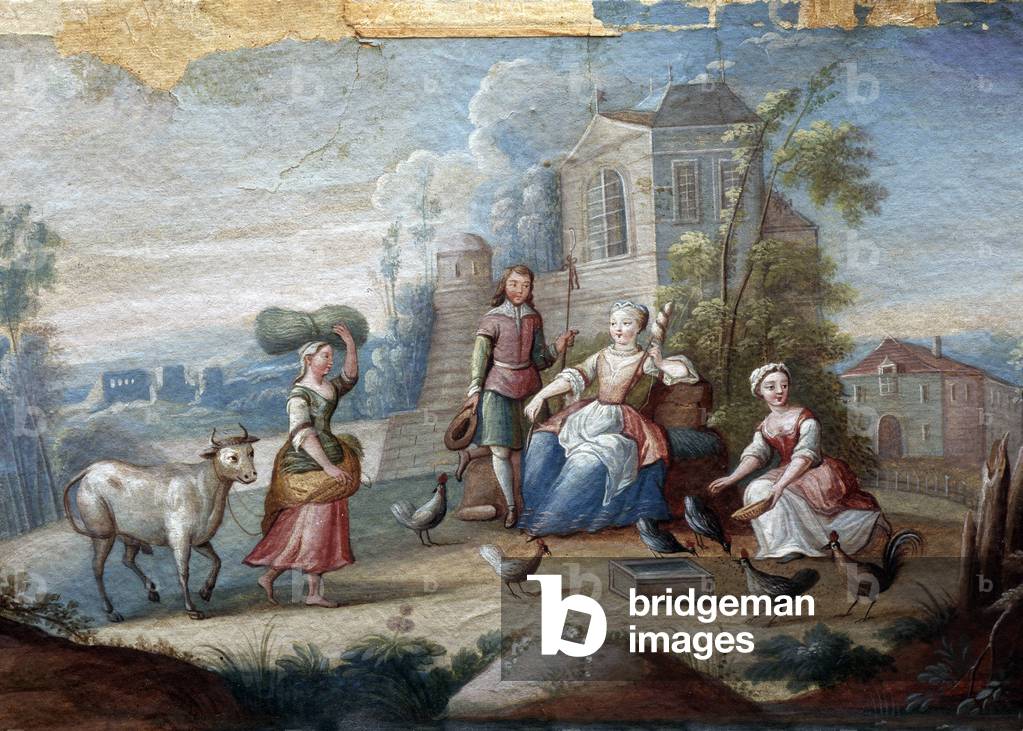
PCT4255952: Country scene, 18th century (oil on canvas), Anonymous / Bridgeman Images

PCT4255971: Old woman's face, 17th century (oil on canvas), Della Vecchia, Pietro (Pietro Muttoni) (1605-78) / Bridgeman Images
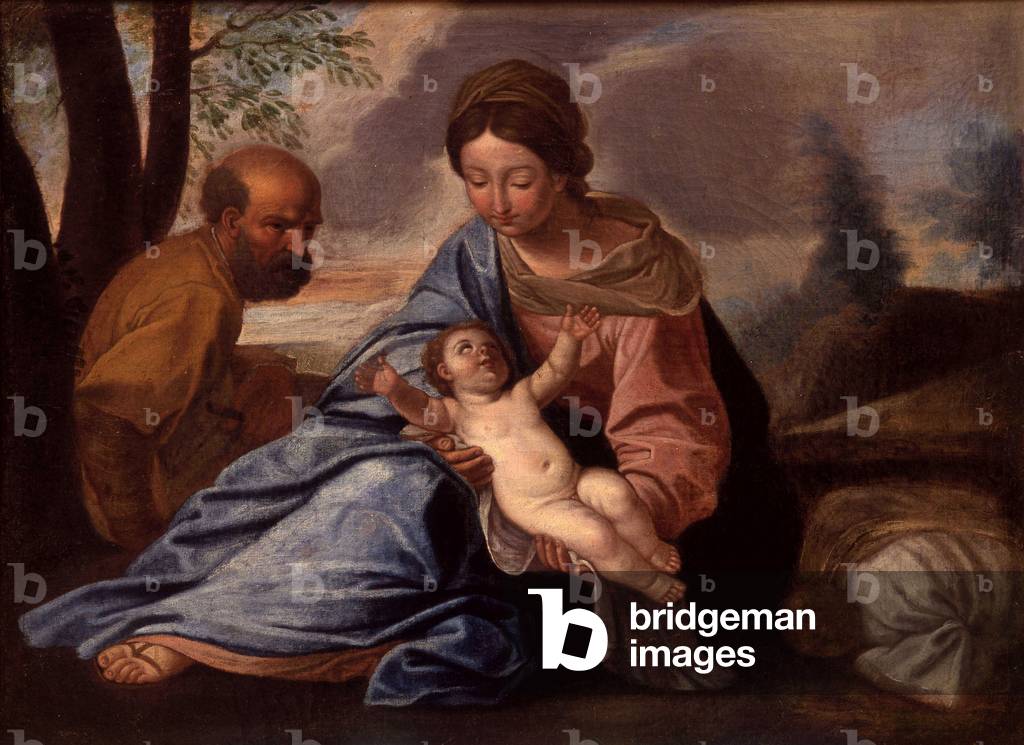
PCT4256003: La Sainte Famille. n.d. (oil on canvas), Italian School / Bridgeman Images

PCT4256169: Narbonne (Aude). (photo), Cartier, Patrice / Bridgeman Images
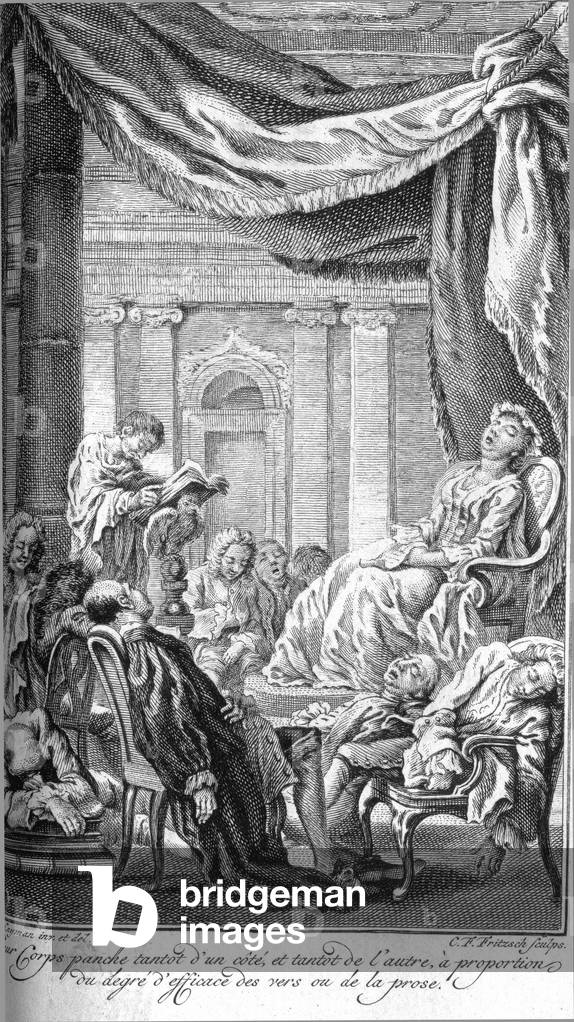
PCT4256412: Reading, their bodies sometimes lean on one side, and sometimes on the other, in proportion to the effectiveness of the verse or prose! (image about the boredom caused by reading). (engraving) / Bridgeman Images

PCT4256577: China, the peep-show, around 1870 (photo), Thomson, John (1837-1921) / Bridgeman Images

PCT4256590: China, bridge, c.1870 (photo), Thomson, John (1837-1921) / Bridgeman Images

XEE4169873: Portrait of Gaston Alexandre Auguste De Galliffet, General Francais, (1830-1909) in “” Le Trombinoscope”” by Touchatout, caricature by B. Moloch of 1882 (1849-1909). Private collection., Moloch (Colomb B.) (1849-1909) / Bridgeman Images
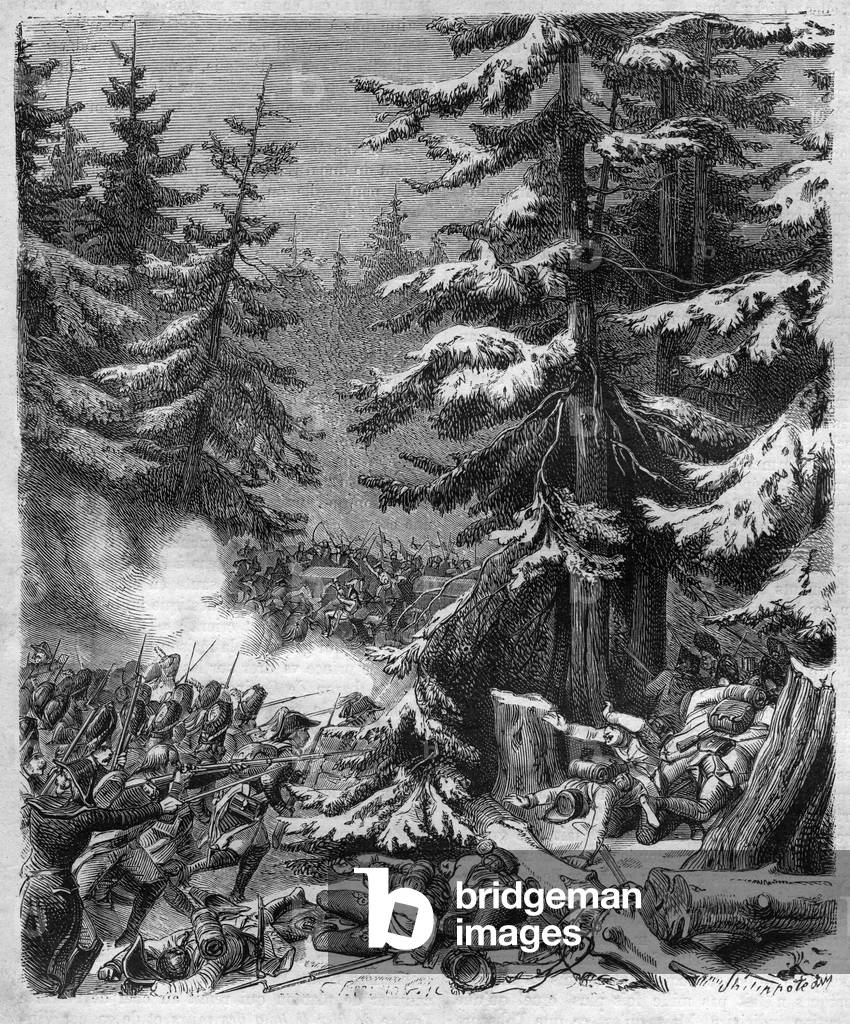
XEE4170041: The Battle of Hohenlinden (near Munich, Germany) on 12 Frimaire, IX (3 December 1800) between the French troops of General Jean Victor (Jean-Victor) Moreau and the Austrian and Bavarian forces commanded by Archduke Jean-Baptiste (Jean-Baptiste) of Austria. Engraving in “Histoire des papes-kings-queens-et-empereurs a travers les centuries”” by Maurice Lachatre, 1863., French School, (19th century) / Bridgeman Images

XEE4170140: Jacques Lafitte (1767-1844), French banker and politician - engraving in “Histoire de la vie politique et privee de Louis Philippe”, 1852., French School, (19th century) / Bridgeman Images

XEE4170267: First World War 1914-1918: The Good Shooter, The rider Fricard takes down the soldiers of the German army hides behind a haystack in the vicinity of Lille, on the 8/11/1914,, French School, (20th century) / Bridgeman Images

XEE4170354: First World War 1914-1918 "The watchman: after the attack, our soldiers, tired, fell asleep in the trench An old getter on their rest" on 24/03/1918, French School, (20th century) / Bridgeman Images